Emergency contraception offers reliable emergency birth control options for those unexpected moments. These products are designed to prevent pregnancy when taken shortly after unprotected sex or contraceptive failure. Choose from a range of trusted brands to find the solution that best fits your needs. Fast and discreet shipping ensures you get the support you need when you need it.

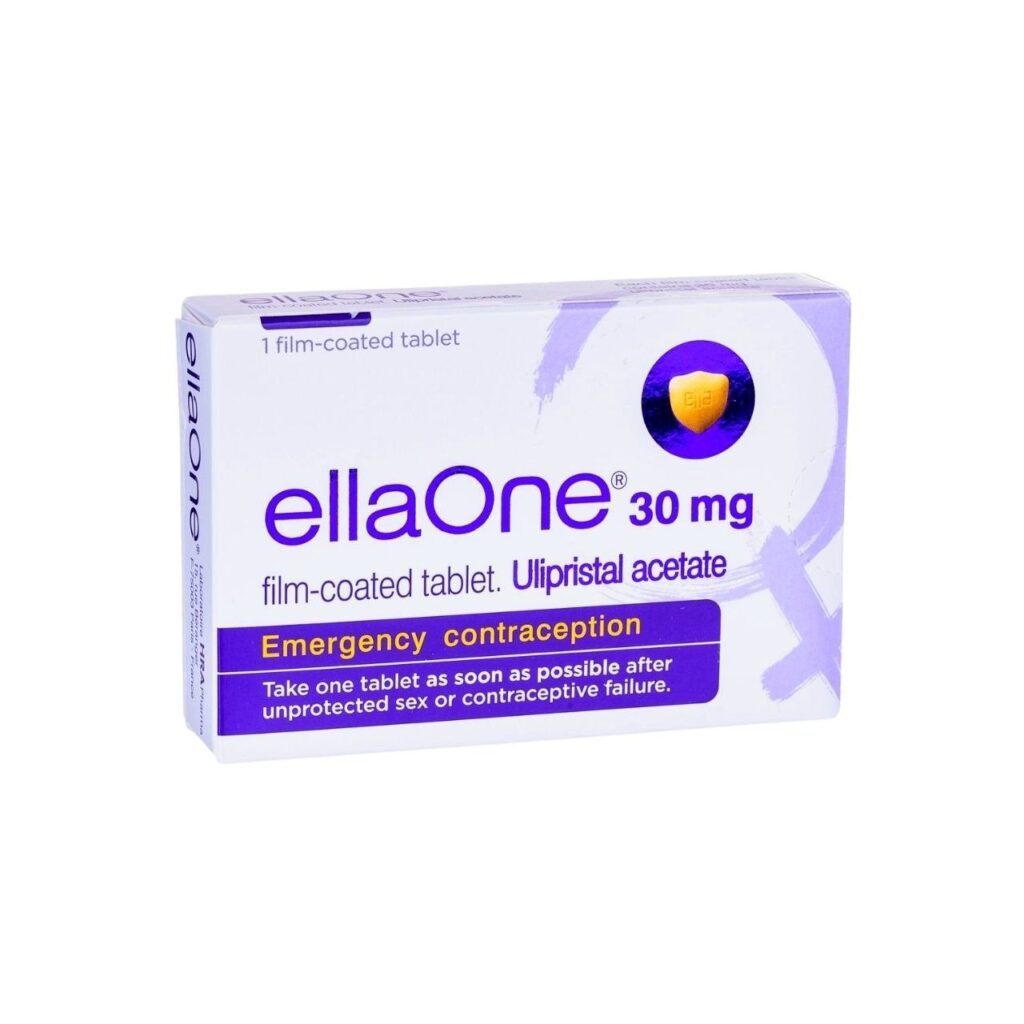
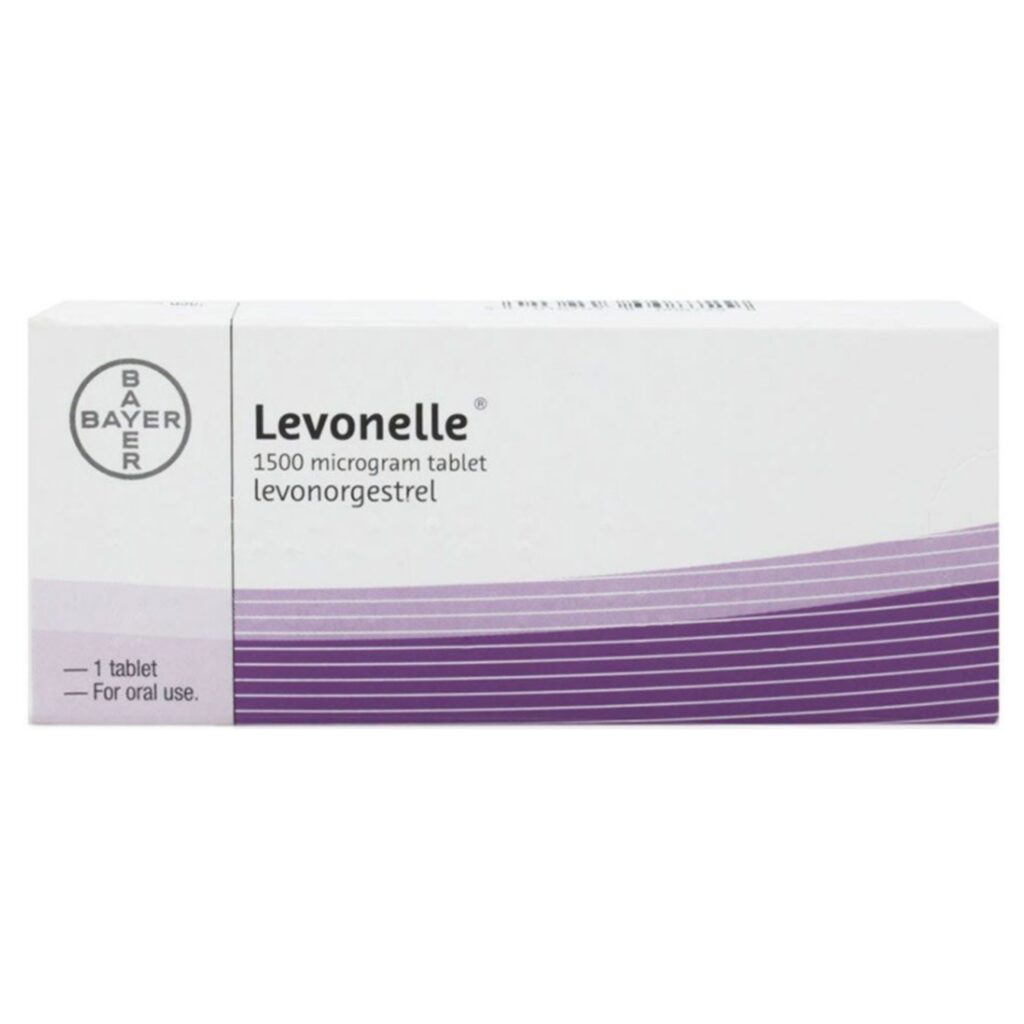
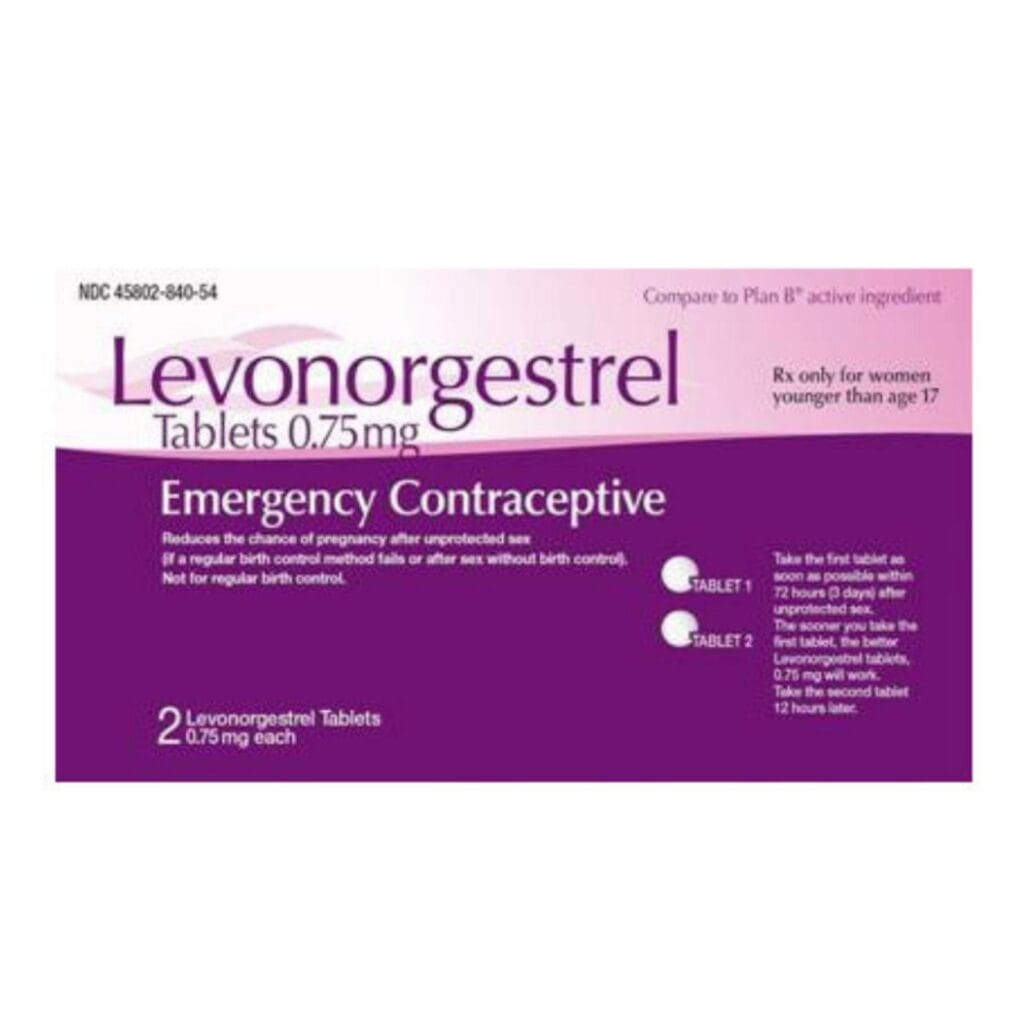
Emergency contraception refers to methods used to prevent pregnancy after unprotected intercourse or contraceptive failure. It is meant to be used as a backup contraceptive method and is not intended for regular use.
Emergency contraception primarily works by delaying or preventing ovulation, the release of an egg from the ovary, thus preventing fertilisation. It may also affect the lining of the uterus or the movement of sperm, further reducing the chances of pregnancy.
Emergency contraception should be used as soon as possible after unprotected sex or contraceptive failure. It is most effective when taken within the first 24 hours but can be used up to 72 hours (or even up to 120 hours for certain types) after intercourse.
No, emergency contraception is not the same as abortion. Emergency contraception prevents pregnancy from occurring, while abortion terminates an existing pregnancy.
The effectiveness of emergency contraception depends on various factors, including the timing of administration and the specific method used. Generally, emergency contraception can significantly reduce the risk of pregnancy when taken as directed, but it is not 100% effective.
No, emergency contraception is not effective if you are already pregnant. It is designed to prevent pregnancy from occurring and will not terminate an existing pregnancy.
Common side effects of emergency contraception may include nausea, vomiting, abdominal pain, headache, fatigue, breast tenderness, and changes in menstrual bleeding. These side effects are usually mild and temporary.
If you vomit within two hours of taking emergency contraception, it may not have been fully absorbed by your body. In such cases, it is advisable to take another dose as soon as possible.
Most antibiotics do not affect the effectiveness of emergency contraception. However, certain medications, such as rifampin and some antifungal drugs, may reduce the effectiveness of hormonal emergency contraception. It is best to consult your healthcare provider or pharmacist for personalised advice.
Research suggests that emergency contraception does not have any long-term effects on reproductive health. It is a safe and effective method for preventing pregnancy when used as directed.
In general, emergency contraception can be taken while using antidepressants. However, it is important to consult your healthcare provider or pharmacist for personalised advice, as certain medications may interact with emergency contraception.
Emergency contraception works by temporarily altering hormonal levels in the body to prevent ovulation or fertilisation. While it may cause temporary hormonal changes, these effects are generally reversible and do not have long-term implications for hormonal balance.
There is no evidence to suggest that emergency contraception causes infertility. Emergency contraception is a temporary method used to prevent pregnancy and does not affect fertility in the long term.
Emergency contraception is used when there is a risk of pregnancy after sex. At WePrescribe, we regularly support people who need emergency contraception because something unexpected has happened, such as contraception failing or regular pills being missed.
It is designed for occasional use and should not be relied on as a regular contraceptive method. Our role is to make sure any treatment supplied is safe and appropriate for you, while helping you understand what to expect and what steps to take next.
We see a wide range of situations where emergency contraception may be needed, including circumstances that can happen to anyone, even those who usually use contraception carefully.
Unprotected sex
Where no contraception was used or sex happened unexpectedly, often during changes in routine or new relationships.
Contraception failure
Condoms splitting, slipping off, or not being used correctly during sex.
Missed or late contraception
Missing pills, taking them outside the recommended time window, or starting a new pack late.
Illness affecting absorption
Vomiting or severe diarrhoea after taking oral contraception can reduce how well it works.
After sexual assault
Where emergency contraception may form part of urgent care, alongside other medical, emotional, and safeguarding support.
Emergency contraception works mainly by delaying ovulation. This helps reduce the chance of sperm fertilising an egg during the fertile part of the cycle.
Our pharmacists check timing carefully during your consultation, as taking emergency contraception as soon as possible gives it the best chance of working. It does not end a pregnancy that has already started and will not affect an existing pregnancy or future fertility.
There is more than one emergency contraception option, and not all options are suitable for everyone or every situation.
When you complete our online consultation, a registered pharmacist reviews your answers to make sure the treatment supplied is appropriate for your circumstances. This includes checking timing, current medications, medical history, and any factors that may affect effectiveness.
Some emergency contraception options are not available online and may require referral to a GP or sexual health clinic for further care.
Emergency contraception can significantly reduce the risk of pregnancy, but it is not guaranteed to work in every situation. Effectiveness depends on how quickly it is taken and individual factors such as body weight or other medicines.
If your next period is late, lighter, or heavier than usual, we recommend taking a pregnancy test. If you are unsure about the result or timing, further advice should be sought.
Emergency contraception does not provide ongoing protection against pregnancy. Our pharmacists will advise you on when to restart or begin regular contraception and how long to use condoms to reduce risk.
Guidance can vary depending on the type of emergency contraception used and your usual method. Emergency contraception does not protect against sexually transmitted infections, so further testing may sometimes be recommended.
We understand that needing emergency contraception can feel stressful or overwhelming, especially when it is unexpected. Many people worry about effectiveness or what happens next.
Our service is designed to be discreet, confidential, and judgment-free. If you have concerns after treatment, our team can provide further advice or direct you to appropriate follow-up services when needed.