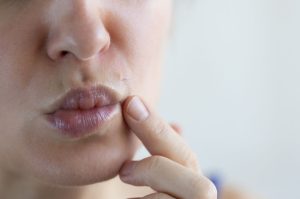
Excess facial hair can be a significant concern for many women, impacting self-esteem and daily confidence. Various hair removal treatments, including prescription creams, are designed to inhibit hair growth at the follicles, providing an effective and lasting remedy. These treatments work by targeting the hair growth cycle, slowing down the production of new hairs, and making existing hairs finer and less noticeable.
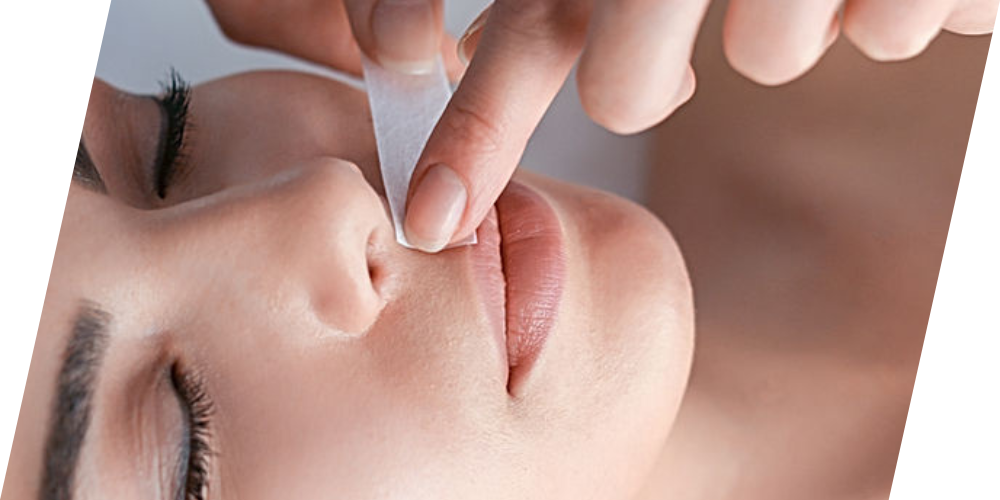
Various treatments for facial hair removal include prescription creams that slow hair growth at the follicle level, offering a non-invasive alternative to procedures like laser hair removal or electrolysis.
Prescription hair removal treatments are suitable for women experiencing excessive facial hair growth, providing a non-invasive way to manage and reduce unwanted hair.
Results from prescription hair removal creams can usually be seen within 4-8 weeks of regular use, with consistent application being key to achieving the desired reduction in hair growth.
Possible side effects include mild skin irritation, such as redness or itching, which are usually temporary and manageable by following application instructions.
You can find hair removal products through WePrescribe. Our platform offers consultations with healthcare professionals who can recommend and prescribe suitable hair removal treatments tailored to your needs.
Hair removal cream works by breaking down the protein structure of the hair, allowing it to be wiped away from the surface of the skin. The active ingredients dissolve the hair just below the skin level, which is why the results tend to feel smoother than shaving.
The process is quick and does not involve cutting or pulling the hair, making it a popular option for those looking for a more comfortable hair removal method. The cream only affects the hair it comes into contact with, which is why even coverage during application is important.
Hair removal cream provides short-term smoothness, with results typically lasting between 3 to 7 days. The exact duration varies depending on individual hair growth cycles, hair thickness, and how frequently the product is used.
The cream works by dissolving hair slightly below the skin’s surface, which means regrowth can feel softer compared to shaving. Although it may take a little longer for hair to become visible again, the treatment does not slow or reduce hair growth over time. Regular application is needed to maintain smooth skin.
Factors that influence how long results last include:
Hair removal cream is a temporary method of hair removal. It removes hair at or just below the surface of the skin, so regrowth will occur naturally over time.
Longer-lasting reduction or permanent removal usually requires treatments such as laser hair removal or electrolysis. Hair removal cream is better suited for quick, convenient maintenance rather than long-term hair reduction.
Hair removal cream is generally less likely to lead to ingrown hairs than shaving or waxing. This is due to the way it removes hair by breaking it down, rather than cutting it sharply or pulling it out from the root.
Ingrown hairs can still develop in some cases, particularly if dead skin builds up and blocks the hair follicle. Gentle exfoliation between treatments and keeping the skin well moisturised can help reduce this risk. Following the product instructions carefully, including timing, helps prevent irritation that may contribute to ingrown hairs.
Hair removal cream can be used on several areas of the body, depending on the product and formulation. Most creams are suitable for legs, underarms, arms, and the bikini line.
Some products are specifically designed for facial use or sensitive areas, where the skin is more delicate. It is important to check the product instructions to confirm where it can be safely applied, as not all formulas are suitable for every area.
Avoid using hair removal cream on broken, irritated, or inflamed skin, as this can increase the risk of discomfort or adverse reactions.
Hair removal cream can be used regularly, but it is important to allow the skin time to recover between applications. Most people find that using it every few days to once a week is sufficient, depending on how quickly their hair grows.
Using the cream too frequently may lead to skin sensitivity or irritation. Waiting until hair has visibly grown back before reapplying helps reduce the risk of overexposure to the active ingredients.
Hair removal cream is generally well tolerated, but some people may experience mild side effects. These can include redness, tingling, or slight irritation, particularly if the cream is left on for too long.
More noticeable reactions are less common but can occur, especially in those with sensitive skin. Carrying out a patch test before first use helps identify any potential sensitivity.
If irritation develops after use, it is best to stop using the product and allow the skin to recover before trying again.
Taking care of the skin after using hair removal cream can help maintain smoothness and reduce the risk of irritation.
Keeping the skin hydrated with a gentle moisturiser can help soothe and protect the treated area. Avoiding hot showers, fragranced products, or tight clothing immediately after use can also reduce sensitivity.
Allowing the skin time to settle before applying other skincare products helps prevent further irritation and supports recovery.
Hair removal cream is widely used for its convenience and ease of application. It offers a painless alternative to methods such as waxing and can be done at home without specialist equipment.
The formula works quickly, making it suitable for people who want smooth skin without spending much time on hair removal. It is often chosen for sensitive areas, as it avoids the friction and cuts associated with shaving.
Many people find that regrowth feels softer compared to shaving, which can make ongoing maintenance more comfortable.