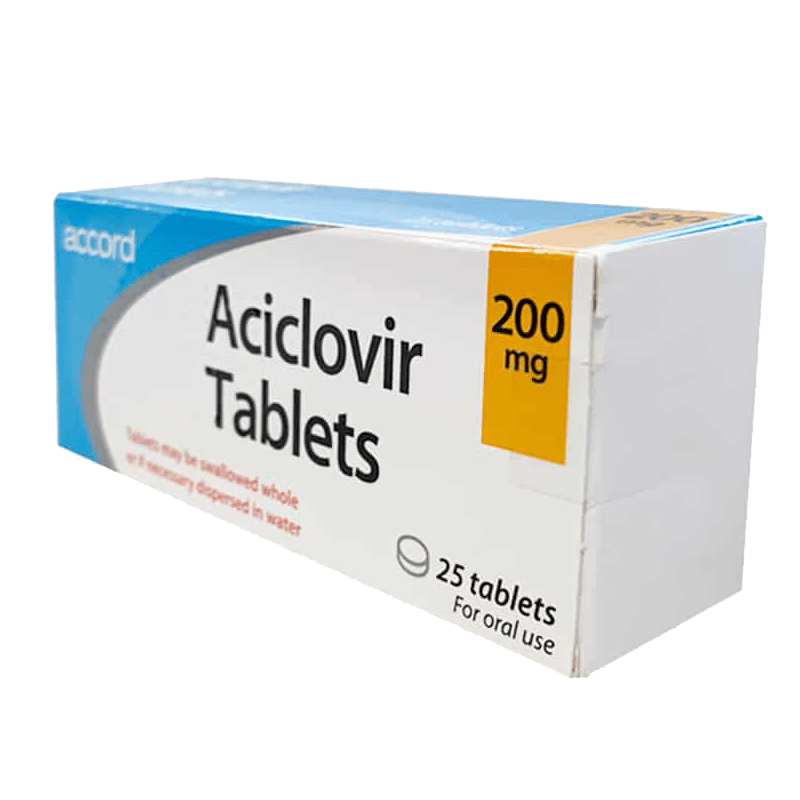
Genital herpes, caused by the herpes simplex virus (HSV), can lead to painful sores, itching, and discomfort. While there is no cure, managing outbreaks and reducing transmission risk is essential. By understanding how to control symptoms with herpes treatment and prevent recurrences, you can maintain a healthier and more comfortable life, despite this chronic condition.
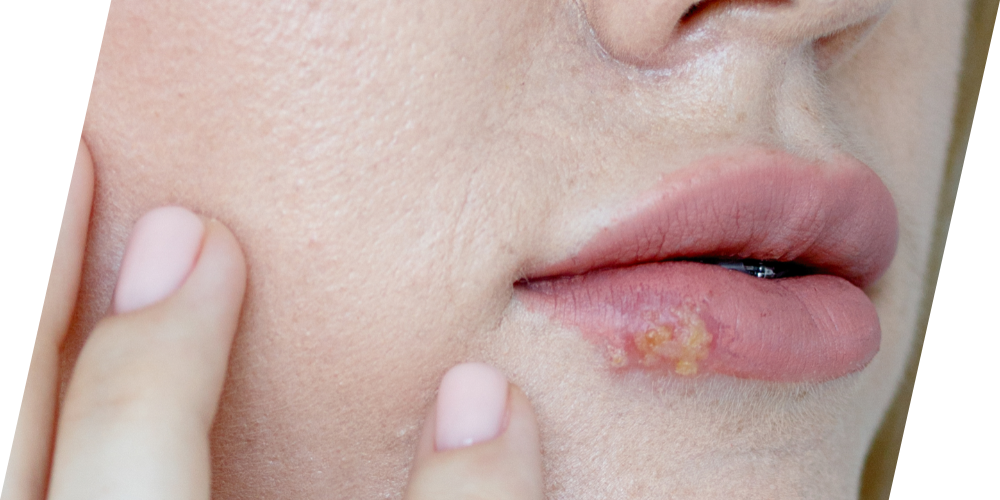
Herpes is a viral infection caused by the herpes simplex virus (HSV), resulting in sores on the mouth (cold sores) or genitals.
Cold sores are treated with antiviral medications like Aciclovir, which help to reduce symptoms and speed up healing.
Symptoms include painful sores, itching, and discomfort in the genital area.
Prevent outbreaks by avoiding triggers, managing stress, and using antiviral medications as prescribed.
Common side effects include nausea, headache, and dizziness.
There is no cure for herpes, but symptoms can be managed with treatment.
Herpes is transmitted through direct skin-to-skin contact, including sexual contact and kissing.
Herpes is caused by the herpes simplex virus (HSV), which is spread through direct skin-to-skin contact. There are two main types: HSV-1, which is commonly associated with oral herpes, and HSV-2, which is more often linked to genital herpes. Both types can affect either area depending on how the virus is transmitted.
The virus is most easily passed on during close contact, including kissing, oral sex, or genital contact, particularly when sores or blisters are present. However, transmission can still occur even when there are no visible symptoms, as the virus can shed from the skin without warning.
Common ways herpes can be passed on include:
Once the virus enters the body, it remains there for life and can become active again from time to time, leading to recurrent outbreaks.
Herpes does not usually affect fertility in men or women. The virus does not interfere with reproductive organs or hormone levels, and most people with herpes are able to conceive without difficulty.
In some cases, discomfort during outbreaks may affect sexual activity, which can have a temporary impact on attempts to conceive. Outside of active symptoms, herpes does not prevent pregnancy.
For those who are pregnant or planning a pregnancy, managing herpes is important to reduce the risk of transmission during childbirth. Medical guidance may be recommended to support a safe delivery.
Herpes can sometimes cause symptoms that feel similar to a urinary tract infection (UTI), particularly during an outbreak of genital herpes.
Pain or a burning sensation when passing urine is a common symptom, often caused by urine coming into contact with open sores or irritated skin. Some people may feel the need to urinate more frequently or experience discomfort in the genital area.
Unlike a UTI, these symptoms are linked to skin irritation rather than a bacterial infection in the urinary tract. If symptoms are unclear or persistent, medical advice may be needed to confirm the cause and guide treatment.
Herpes symptoms can vary from person to person. Some people experience noticeable outbreaks, while others may have very mild symptoms or none at all.
Common signs include small blisters or sores around the mouth or genital area, itching or tingling before sores appear, and general discomfort in the affected area. The first outbreak is often more noticeable, with later episodes tending to be milder and shorter.
Symptoms may come and go over time, with periods where the virus is inactive.
Herpes is usually diagnosed based on the appearance of symptoms and a discussion of recent health history. In some cases, a sample may be taken from a sore to confirm the presence of the virus.
If there are no visible symptoms, diagnosis can be more difficult. Testing may still be possible, depending on individual circumstances and medical advice.
Early assessment can help confirm whether herpes is the cause of symptoms and support appropriate treatment.
Although herpes cannot be cured, treatment can help manage symptoms and reduce the frequency of outbreaks.
Antiviral medication is commonly used to shorten the duration of an outbreak and ease discomfort. Some people may take treatment only when symptoms appear, while others may use it regularly to reduce the chance of recurrence.
Keeping the affected area clean and dry, avoiding irritation, and recognising early warning signs can help make outbreaks more manageable.
There are steps that can help lower the risk of passing herpes to others.
Avoiding close contact during active outbreaks is important, as this is when the virus is most easily spread. Using protection during sexual activity can reduce risk, although it does not eliminate it completely.
Being aware that the virus can still be passed on without visible symptoms helps support informed decisions and safer practices.