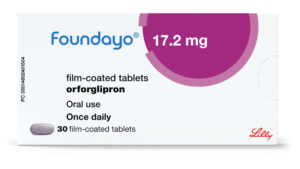
Achieving a healthy weight is essential, as obesity can lead to serious health conditions like heart disease and diabetes. Alongside diet and exercise, weight loss medication can help manage weight effectively. These medications work by suppressing appetite, increasing metabolism, or reducing fat absorption, making it easier to achieve and maintain a healthy weight. Explore the options available to find a comprehensive weight loss plan that suits your needs and lifestyle.

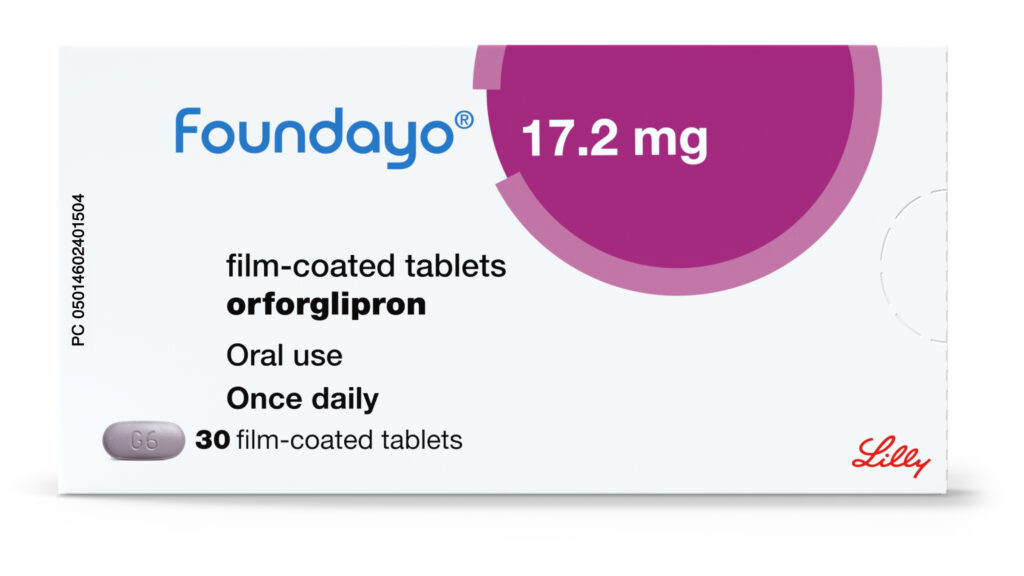
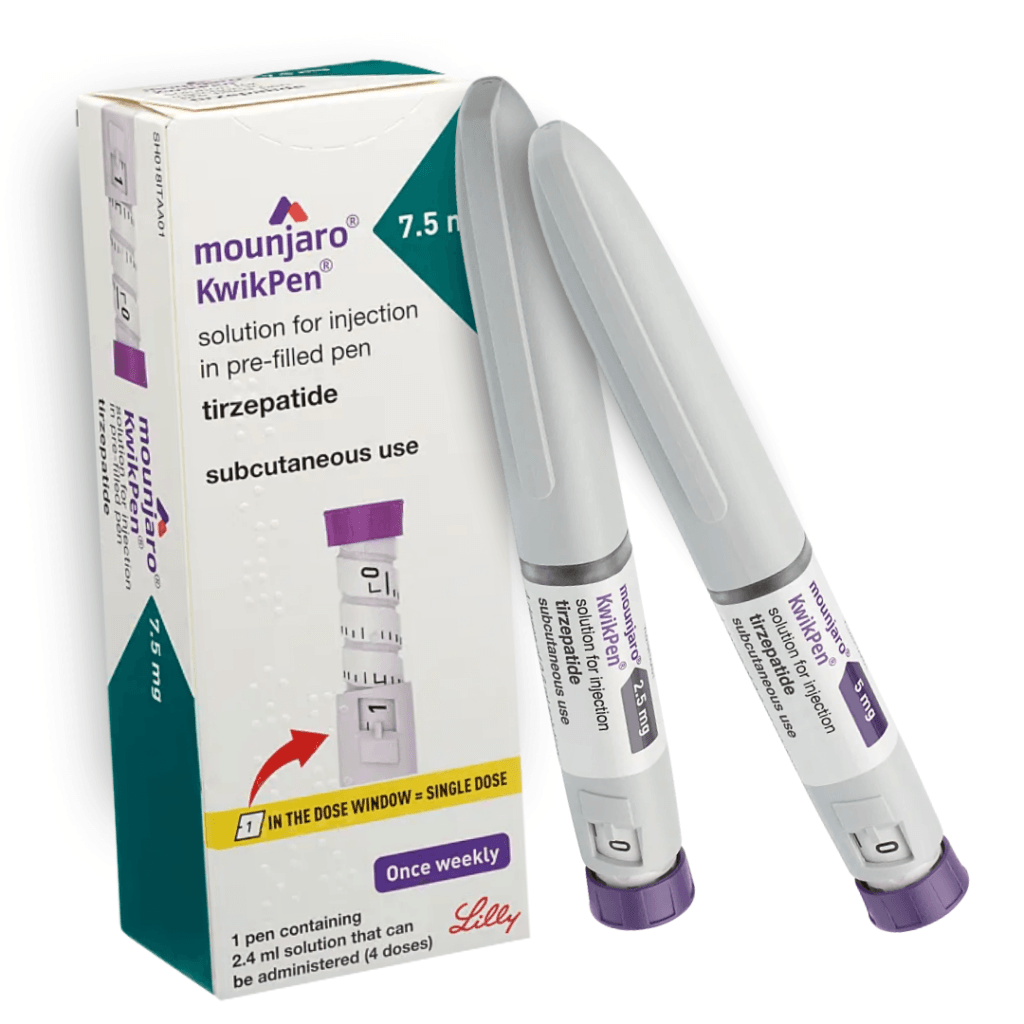
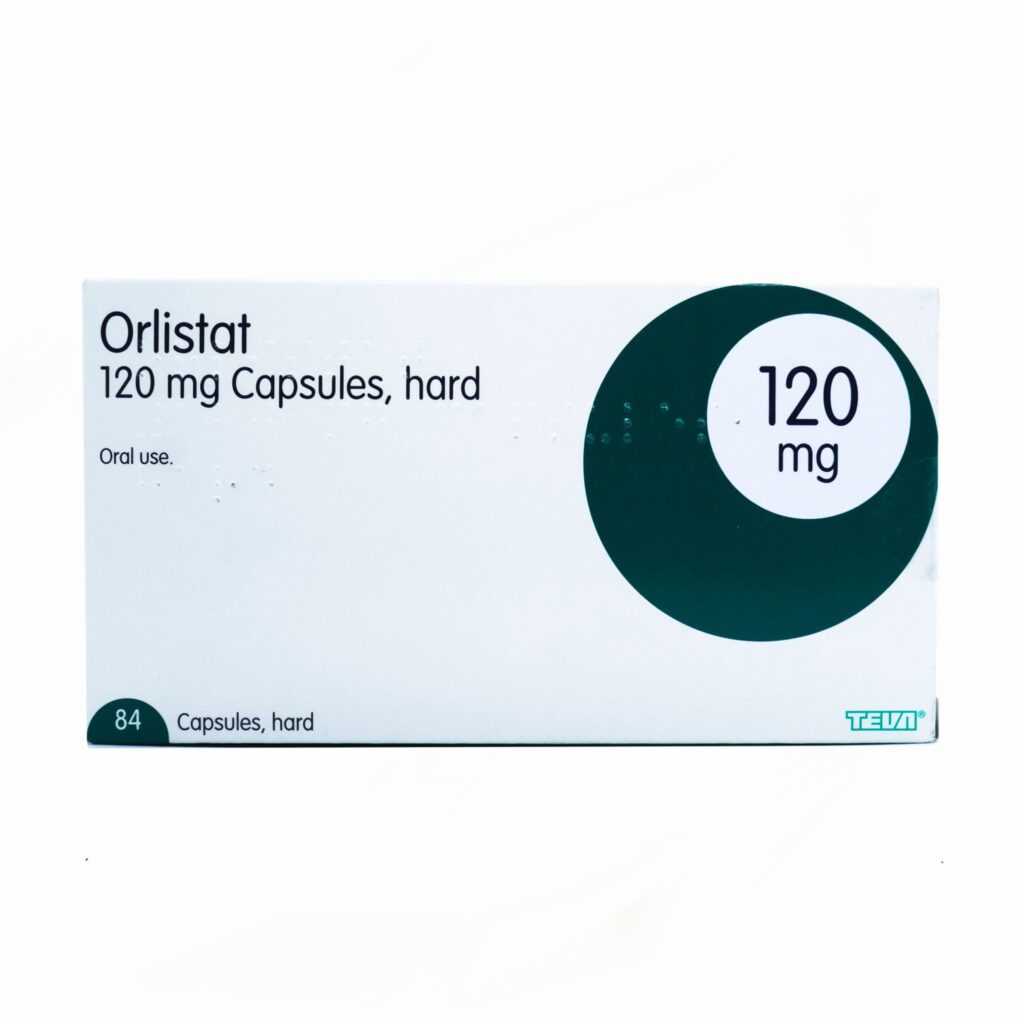
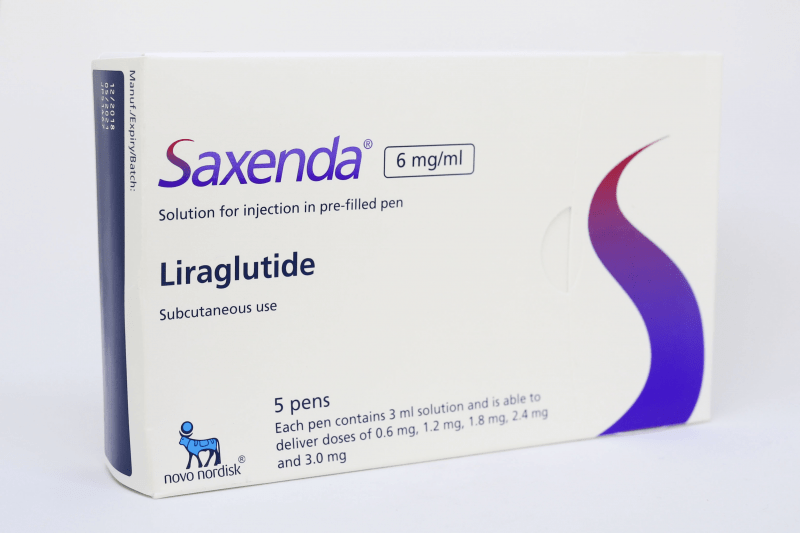
Medications include Orlistat, Saxenda, Wegovy and Mounjaro which help reduce appetite and fat absorption.
Yes, combining medication with a healthy diet and regular exercise improves weight loss outcomes.
Some medications are approved for long-term use, but it’s essential to follow a healthcare provider’s guidance.
Consult a healthcare provider as these medications are generally recommended for those with a BMI over 30 or over 27 with related health conditions.
Results can vary, but many people start seeing changes within a few weeks of consistent use.
Yes, options like Saxenda and Wegovy are effective for many people, helping to control appetite and promote weight loss.
We can provide maintenance weight loss treatment for existing clients as well as clients who have previously used another provider.
*Please note this is subject to approval by our qualified pharmacists.
Losing weight can be straightforward for some, but for others, it’s a real challenge. Several factors may make weight loss harder than expected:
Understanding these factors helps you to be patient with yourself and seek the right support when needed.
Setting goals that are realistic and attainable is key to staying motivated and making lasting changes. Unrealistic targets can lead to frustration and giving up early. To set good goals:
This approach keeps your motivation high and reduces the risk of burnout.
Nutrition is one of the most important pillars of weight loss. What you eat impacts your hunger, energy levels, and overall health. Here’s how to eat well for weight loss:
Fruits, vegetables, whole grains (like oats, brown rice), lean proteins (chicken, fish, legumes), and healthy fats (avocados, nuts, olive oil) provide essential nutrients and keep you full longer.
These tend to be high in calories but low in nutrients, causing blood sugar spikes and crashes that trigger hunger.
Eating too much of even healthy foods can slow weight loss. Use smaller plates and listen to your body’s hunger cues.
Drinking water regularly can prevent mistaking thirst for hunger and helps with metabolism.
Skipping meals can lead to overeating later in the day and disrupt your metabolism. Aim for balanced meals and healthy snacks.
Preparing food in advance helps avoid impulsive, unhealthy choices.
Good nutrition is about balance and consistency, not perfection.
Physical activity is crucial not just for burning calories but also for improving overall health and well-being. Here’s how staying active helps with weight loss:
You don’t need a gym membership; activities like brisk walking, dancing, gardening, or playing with children count as valuable exercise.
There’s a lot of misinformation around weight loss that can confuse and mislead people. Here are some common myths and the truths behind them:
Staying motivated over weeks and months can be difficult, but these tips can help keep you on track:
Motivation ebbs and flows—planning for this helps you stick with your goals.
Sometimes, losing weight requires more than lifestyle changes alone, especially for those with significant weight to lose or health conditions. Medical support options include:
Medical support can make your weight loss journey safer, more effective, and personalised.