Digestive distress from irritable bowel syndrome (IBS) causes abdominal pain, bloating, and irregular bowel habits. IBS can result from food intolerances, changes in gut microbiota, nervous system abnormalities, early life stress, severe infection, or muscle contractions in the intestine. Managing these symptoms with IBS treatment can significantly improve your digestive health and quality of life.

IBS, or irritable bowel syndrome, is a common digestive disorder that affects the large intestine, causing symptoms like cramping, abdominal pain, bloating, gas, and diarrhoea or constipation.
The main symptoms include abdominal pain, bloating, gas, and alternating bouts of diarrhoea and constipation.
IBS is diagnosed based on symptoms and ruling out other conditions through medical history, physical exams, and tests.
The exact cause is unknown but can be triggered by food intolerances, stress, gut bacteria imbalance, and intestinal muscle contractions.
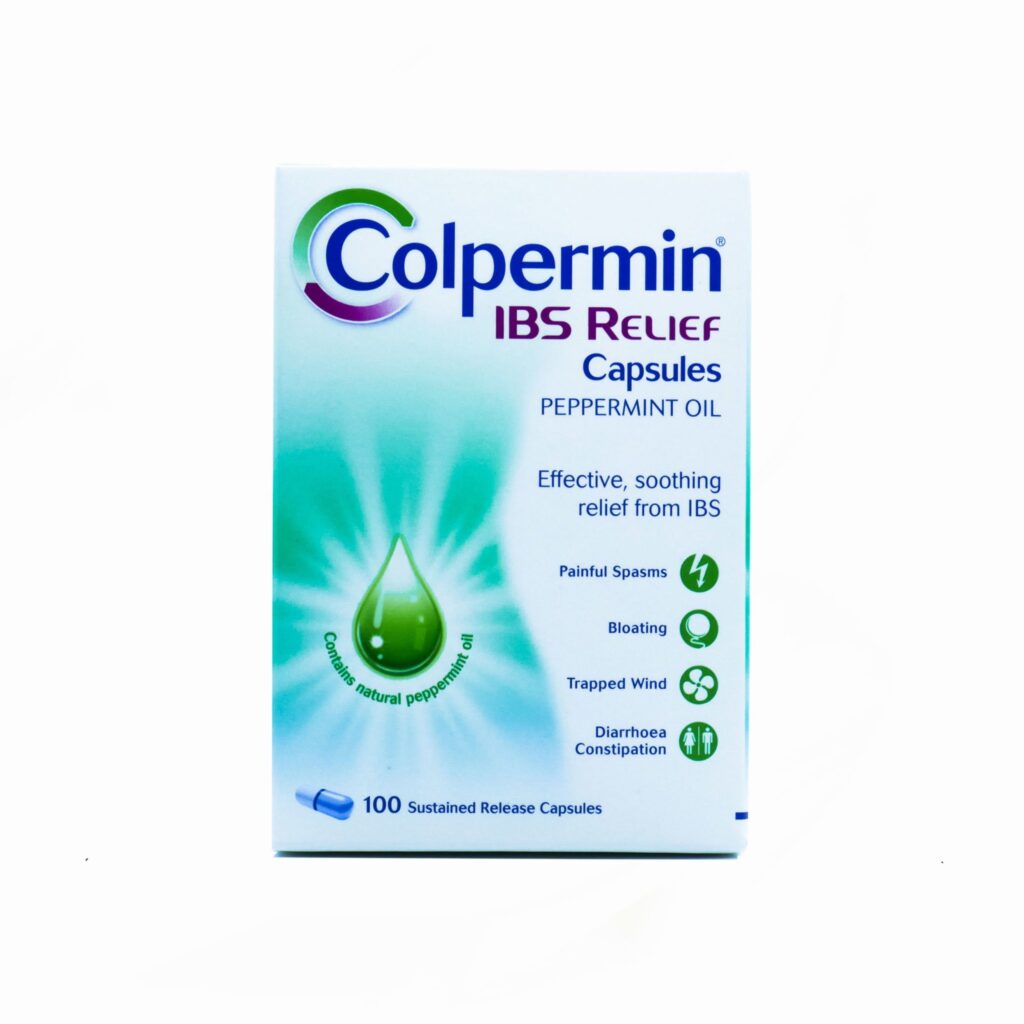
Treatments include dietary changes, stress management, and medications like antispasmodics and peppermint oil capsules.
Mebeverine relaxes gut muscles, reducing pain and discomfort.
Yes, certain foods can trigger symptoms. A low FODMAP diet is often recommended.
You can purchase IBS treatments through WePrescribe, an online healthcare service that provides convenient access to various medications and treatments for managing IBS symptoms.
Irritable bowel syndrome (IBS) is a common digestive condition that affects how the gut functions. It can cause ongoing symptoms that come and go over time.
IBS does not cause permanent damage to the digestive system, but it can be uncomfortable and affect daily life. Symptoms often vary between individuals and may change in severity.
The exact cause of IBS is not fully understood, but it is thought to be linked to how the gut and brain interact.
Changes in gut sensitivity, digestion speed, and muscle contractions in the bowel can all play a role. Some people may have a more sensitive digestive system, which reacts more strongly to certain triggers.
Common contributing factors include stress, diet, hormonal changes, and previous digestive infections.
Relieving IBS pain often involves easing muscle spasms and reducing triggers that worsen symptoms.
Applying heat to the abdomen can help relax the muscles and reduce cramping. Gentle movement or stretching may also provide relief for some people.
Medication can be used to manage symptoms, including antispasmodic treatments that help relax the gut. Managing stress and avoiding known triggers can also help reduce discomfort.
IBS can sometimes be linked to back pain, particularly in the lower back.
This may be due to abdominal discomfort or bloating creating pressure that radiates to the back. Muscle tension related to pain or stress can also contribute.
Back pain linked to IBS is usually temporary and may improve as digestive symptoms settle.
IBS can cause a range of digestive symptoms that vary in intensity.
Common sensations include abdominal cramping, bloating, and discomfort that may improve after passing stool. Some people experience diarrhoea, constipation, or a mix of both.
Symptoms can come and go and may be triggered by certain foods, stress, or changes in routine.
Certain foods are more likely to trigger IBS symptoms, although this can vary between individuals.
Common triggers include:
Identifying personal triggers can help reduce symptoms and improve comfort.
IBS is not directly inherited, but it can run in families.
Genetic factors may play a role in how sensitive the digestive system is or how the gut functions. Shared lifestyle habits and diet within families may also contribute.
Having a family history of IBS may increase the likelihood of developing the condition, but it is not guaranteed.
Managing IBS often involves a combination of dietary changes, lifestyle adjustments, and treatment.
Identifying trigger foods, reducing stress, and maintaining regular eating habits can help improve symptoms. Some people may benefit from specific diets, such as a low FODMAP approach.
Ongoing management can help reduce flare-ups and improve quality of life.
IBS is a long-term condition, but some symptoms may need further assessment.
Advice may be helpful if symptoms:
Assessment can help confirm the diagnosis and rule out other conditions.