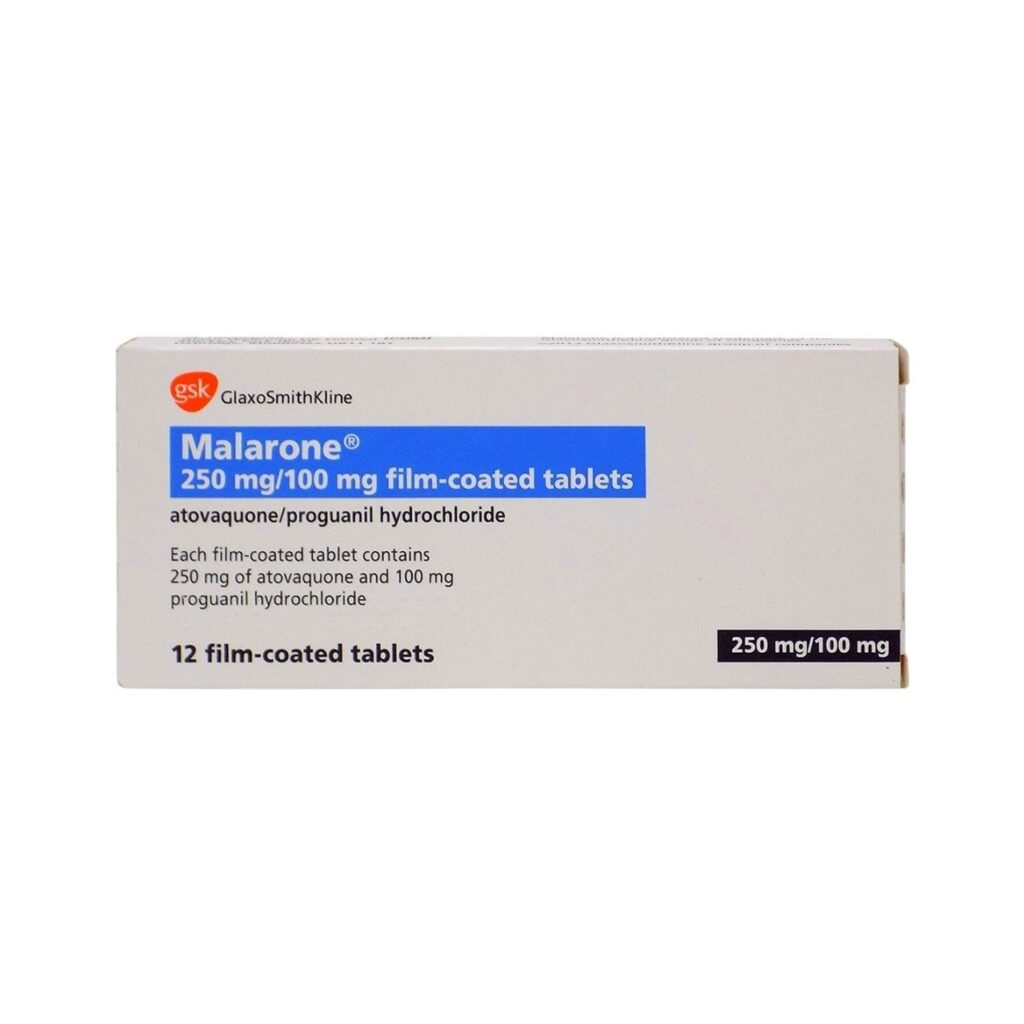
Malaria is a serious disease transmitted by mosquito bites, causing symptoms like fever, chills, and flu-like illness. You can significantly reduce your risk of infection by taking malaria prevention treatment and practicing effective mosquito bite avoidance strategies, such as using insect repellent and sleeping under mosquito nets.
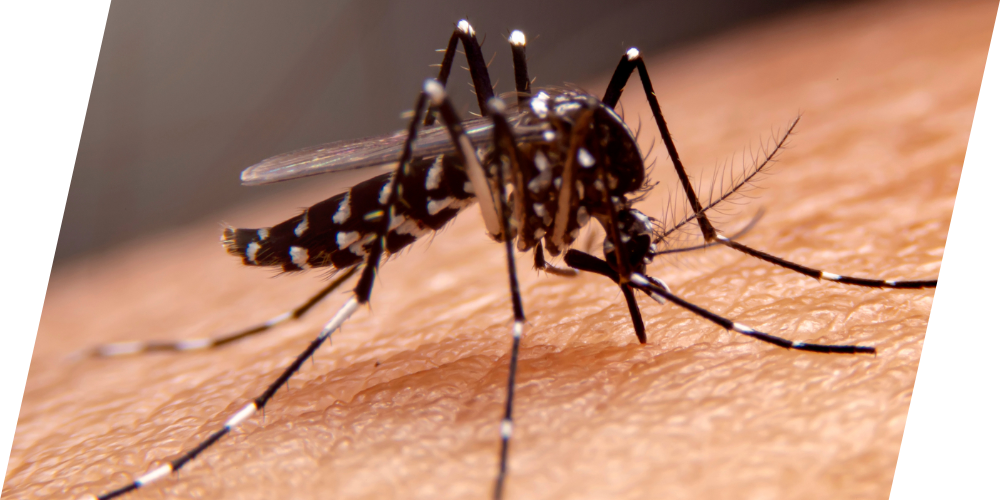
Malaria is a serious disease transmitted by mosquito bites, causing symptoms like fever, chills, and flu-like illness.
Prevent malaria by taking antimalarial medications, using insect repellent, sleeping under mosquito nets, and wearing protective clothing.
Medications include Doxycycline and Malarone, which are effective in preventing malaria.
Common side effects include nausea, vomiting, and increased sensitivity to sunlight.
Start taking medication one to two days before entering a malaria-risk area and continue for the duration of the stay and a period after leaving.
Travellers to regions where malaria is common, such as parts of Africa, Asia, and South America, are at risk.
Malaria can range from mild illness to a serious, life-threatening condition if not treated promptly.
In some cases, the infection can affect vital organs such as the brain, kidneys, or lungs. Severe malaria may lead to complications such as anaemia, difficulty breathing, or organ failure.
Early diagnosis and treatment are important to reduce the risk of serious complications.
Malaria symptoms do not always appear immediately after a mosquito bite.
In many cases, symptoms develop between 7 and 30 days after infection, although this can vary depending on the type of parasite involved. Some forms of malaria can remain dormant in the body and cause symptoms months later.
Being aware of this delay is important, particularly after travelling to areas where malaria is common.
Anyone travelling to or living in areas where malaria is present can be at risk, but some groups are more vulnerable.
Higher-risk groups include:
Taking preventative measures is especially important for those at increased risk.
Malaria is diagnosed through blood tests that detect the presence of the parasite in the bloodstream.
Testing is usually carried out when symptoms are present and there is a risk of exposure, such as recent travel to a high-risk area. In some cases, repeat testing may be needed if symptoms persist.
Accurate diagnosis helps ensure the correct treatment is given as quickly as possible.
Malaria is treated with antimalarial medication, which works to clear the parasite from the body.
The type of medication used depends on the specific parasite and where the infection was acquired. Treatment is usually most effective when started early.
Completing the full course of medication is important to fully clear the infection and reduce the risk of recurrence.
Recovery from malaria can take time, particularly if the infection was severe.
Some people may continue to feel tired or weak for a period after treatment. Gradual recovery is common as the body returns to normal.
Following medical advice and allowing time for rest can help support recovery and reduce the risk of complications.
Reducing the risk of malaria is especially important when travelling to high-risk areas.
Protective steps include using insect repellent, wearing long sleeves and trousers, and sleeping under mosquito nets. Avoiding mosquito exposure during peak times, such as evening and night, can also help.
Preventative medication may be recommended depending on the destination and length of stay.
Malaria is most common in tropical and subtropical regions, particularly in parts of Africa, Asia, Central and South America.
The risk is higher in areas with warm climates and standing water, where mosquitoes are more likely to breed. Some regions have year-round risk, while others may have higher transmission during certain seasons.
Understanding where malaria is most common can help with planning and prevention.