Struggling with impotence, or erectile dysfunction, can impact your self-esteem, relationships, and overall quality of life. This common issue can stem from various physical and psychological factors. Understanding these underlying causes and exploring available erectile dysfunction treatments can help improve your sexual health. By addressing this condition, you can enhance your well-being and maintain healthy relationships.

Erectile dysfunction (ED) is a condition characterised by the inability to achieve or maintain an erection firm enough for sexual intercourse. It can also refer to a decrease in sexual desire or libido.
Erectile dysfunction can be caused by a variety of factors, including physical conditions such as cardiovascular disease, diabetes, obesity, hormonal imbalances, and neurological disorders. Psychological factors like stress, anxiety, depression, and relationship issues can also contribute to erectile dysfunction.
Erectile dysfunction is a common condition, especially among older men.
Diagnosis of erectile dysfunction typically involves a thorough medical history, physical examination, and possibly laboratory tests to identify underlying causes such as hormone levels, blood flow issues, or psychological factors. Sometimes specialised tests like nocturnal penile tumescence (NPT) testing may be used.
Smoking can damage blood vessels and reduce blood flow to the penis, leading to erectile dysfunction. It also contributes to other health conditions like cardiovascular disease and atherosclerosis, which are risk factors for erectile dysfunction.
PDE5 inhibitors, such as Viagra, are medications that work by increasing blood flow to the penis, facilitating erections. They are commonly prescribed as first-line treatment for erectile dysfunction and have been shown to be effective in many cases.
Yes, age can be a factor in erectile dysfunction. As men get older, they may experience changes in hormonal levels, blood flow, and nerve sensitivity, which can contribute to erectile dysfunction.
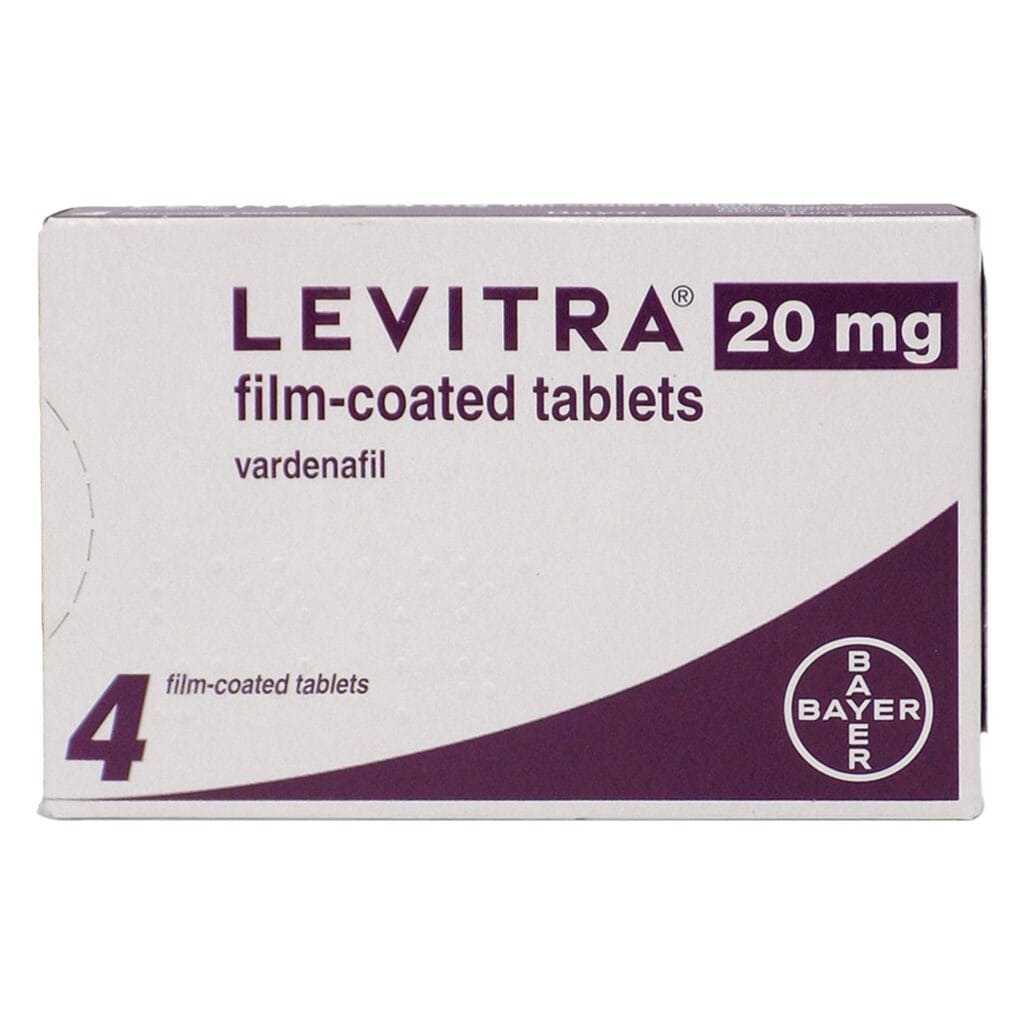
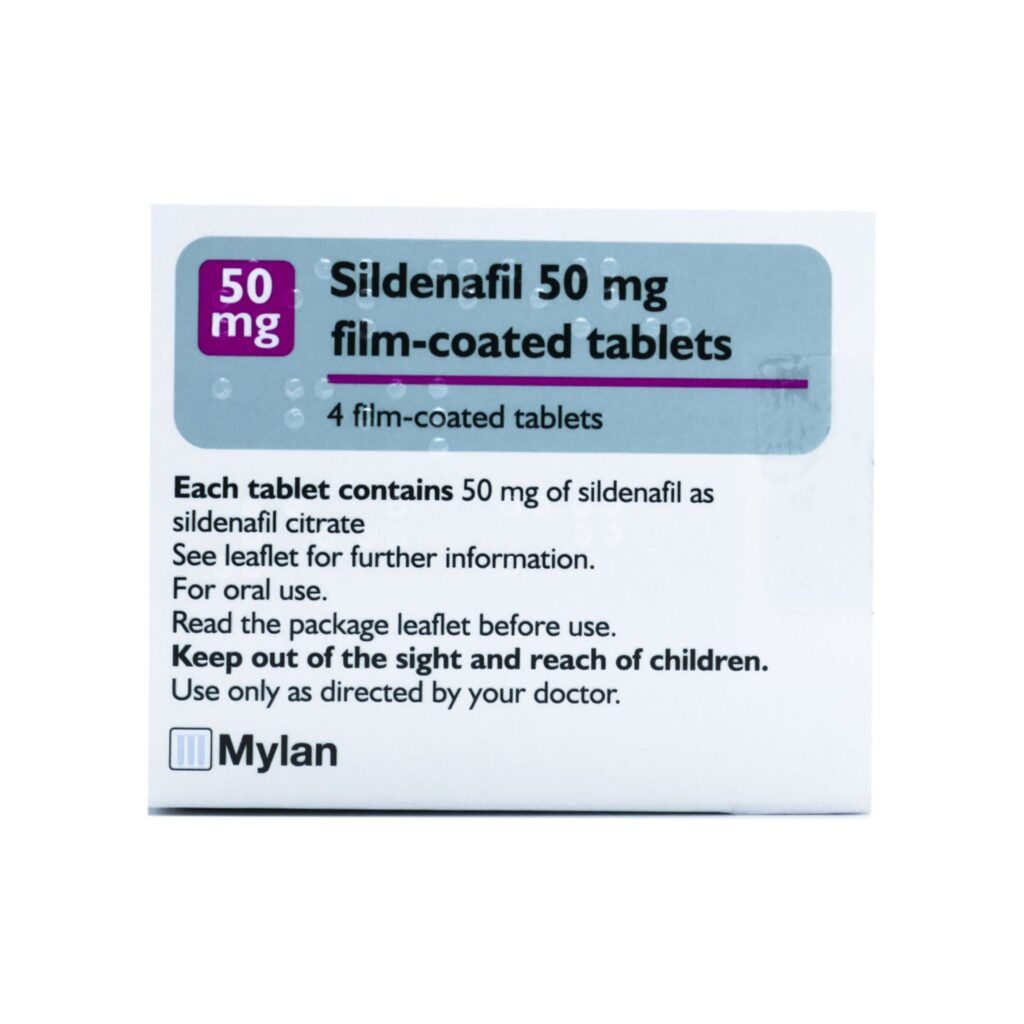
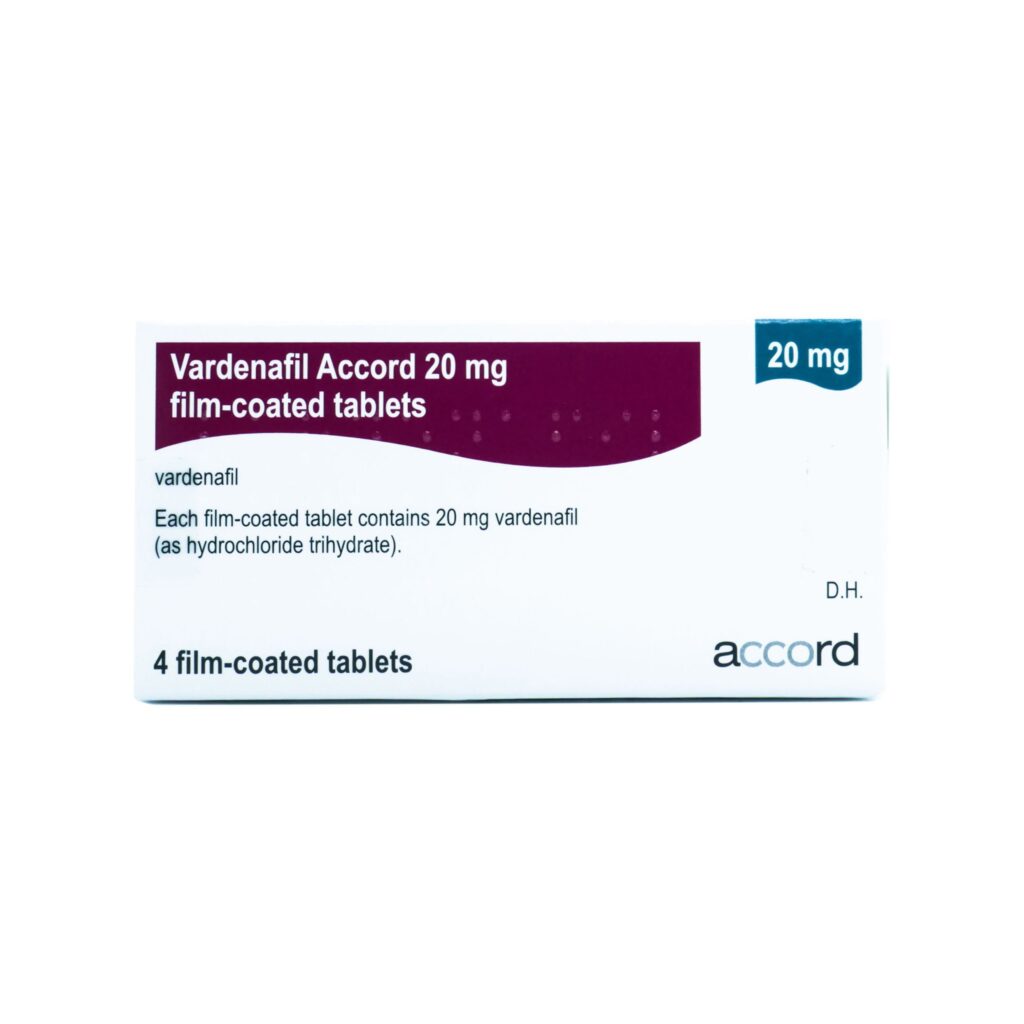
Treatment options for erectile dysfunction available with WePrescribe include; Sildenafil, Viagra, Viagra Connect, Cialis, Spedra and Vardenafil.
While Erectile dysfunction itself does not directly affect fertility, it can impact sexual intercourse and thus affect a couple’s ability to conceive. However, underlying conditions contributing to erectile dysfunction, such as hormonal imbalances or diabetes, can affect fertility.
Erectile dysfunction can have a significant impact on a man’s self-esteem, causing feelings of inadequacy, embarrassment, and depression. It can also lead to anxiety and stress, which can exacerbate the condition.
Common misconceptions about erectile dysfunction include the belief that it only affects older men, that it’s purely a psychological issue, or that it’s not a serious medical condition. In reality, erectile dysfunction can affect men of all ages and often has underlying physical causes.
While there may be genetic factors that predispose individuals to conditions associated with erectile dysfunction, such as cardiovascular disease or diabetes, erectile dysfunction itself is not typically considered to be directly inherited or genetic. However, family history of certain health conditions may increase the risk of developing erectile dysfunction.
Erectile dysfunction can happen for a number of reasons, often involving both physical and psychological factors. It is commonly linked to reduced blood flow to the penis, which can be caused by conditions such as high blood pressure, diabetes, or high cholesterol. Hormonal changes and some medications can also play a role.
Mental health can affect erections too. Stress, anxiety, or low mood may make it more difficult to become or stay aroused. Lifestyle habits such as smoking, drinking alcohol, and low levels of physical activity can also increase the risk or make symptoms worse.
Erectile dysfunction is a common condition that affects many men at different stages of life. It becomes more frequent with age, but it can also occur in younger men.
Occasional difficulty with erections is not unusual and does not always indicate a long-term problem. Ongoing symptoms are more likely to be linked to underlying health or lifestyle factors.
Understanding that ED is common can help reduce concern and encourage people to seek support when needed.
Mental health can have a direct impact on erectile function. Stress, anxiety, and low mood can all affect sexual performance and confidence.
Performance anxiety, in particular, can create a cycle where worry about maintaining an erection makes the problem more likely to happen again. This can lead to ongoing difficulty even when there is no physical cause.
Addressing mental wellbeing and reducing stress can help improve symptoms in these cases.
Erectile dysfunction is more likely to occur with increasing age, but it is not an inevitable part of getting older.
As the body ages, changes in blood flow, hormone levels, and overall health can contribute to a higher risk of ED. However, many men maintain normal erectile function later in life, particularly when underlying health conditions are well managed.
Age can be a factor, but it is often combined with other physical or lifestyle influences.
Erectile dysfunction can sometimes be an early sign of other health issues, particularly those affecting blood flow.
Conditions such as heart disease, diabetes, or high blood pressure may develop gradually and impact circulation before other symptoms become noticeable.
Signs that may suggest an underlying condition include:
Identifying these signs can help guide further assessment and treatment.
Erectile dysfunction can affect both emotional wellbeing and relationships.
It may lead to frustration, reduced confidence, or difficulty communicating with a partner. In some cases, it can create tension or misunderstanding if the cause is not clearly recognised.
Open communication and understanding can help reduce pressure and support a more positive approach to managing the condition.
Managing erectile dysfunction over time often involves a combination of treatment and lifestyle changes.
Using prescribed treatments when needed, maintaining good overall health, and addressing any contributing factors can help improve consistency and confidence.
Having a clear approach to management can support long-term improvement and reduce the impact of symptoms on daily life.
Erectile dysfunction is usually assessed through a review of symptoms, medical history, and lifestyle factors. This helps identify whether the cause is likely to be physical, psychological, or a combination of both.
In some cases, further checks may be recommended, such as blood tests to assess hormone levels or underlying health conditions. These can help guide the most suitable treatment approach.
Early assessment can provide reassurance and support effective management.
Lifestyle habits can play a key role in both the development and management of erectile dysfunction.
Factors such as smoking, alcohol consumption, diet, and physical activity all influence blood flow and overall health. Poor habits can contribute to symptoms, while positive changes may lead to improvement over time.
Small, consistent changes can support better outcomes and overall wellbeing.
Erectile dysfunction can be temporary or ongoing, depending on the underlying cause.
Temporary ED may be linked to short-term factors such as stress, fatigue, or alcohol use. In these cases, symptoms often improve once the trigger is resolved.
Ongoing or persistent ED is more likely to be linked to physical or psychological factors that may need treatment or ongoing management.
Several medications are available to help treat erectile dysfunction by improving blood flow to the penis.
These treatments are typically taken before sexual activity and work by supporting the body’s natural response to stimulation. They are widely used and effective for many people.
A medical assessment is usually required to confirm that treatment is suitable, particularly for those with underlying health conditions or those taking other medications.
Erectile dysfunction is often linked to cardiovascular health, as both rely on healthy blood vessels and circulation.
Reduced blood flow caused by narrowed or damaged blood vessels can affect both heart health and erectile function. In some cases, ED may appear before other symptoms of cardiovascular conditions.
Looking after heart health through lifestyle changes and appropriate treatment can support both overall wellbeing and erectile function.
Erectile dysfunction can affect confidence, particularly when symptoms are ongoing.
Understanding the condition and recognising that it is common can help reduce worry. Access to effective treatment and support can also improve confidence over time.
Taking a proactive approach to managing symptoms can make a positive difference in both physical and emotional wellbeing.