
Heavy menstrual bleeding, known as menorrhagia, can significantly affect a woman’s daily life. This condition involves abnormally heavy and prolonged menstrual periods. Understanding the causes and managing symptoms effectively with heavy period treatment can help improve physical, emotional, and social well-being. Please note any medications listed are for informational purposes only. Any medication will only be supplied upon a valid consultation process by our clinical pharmacist.


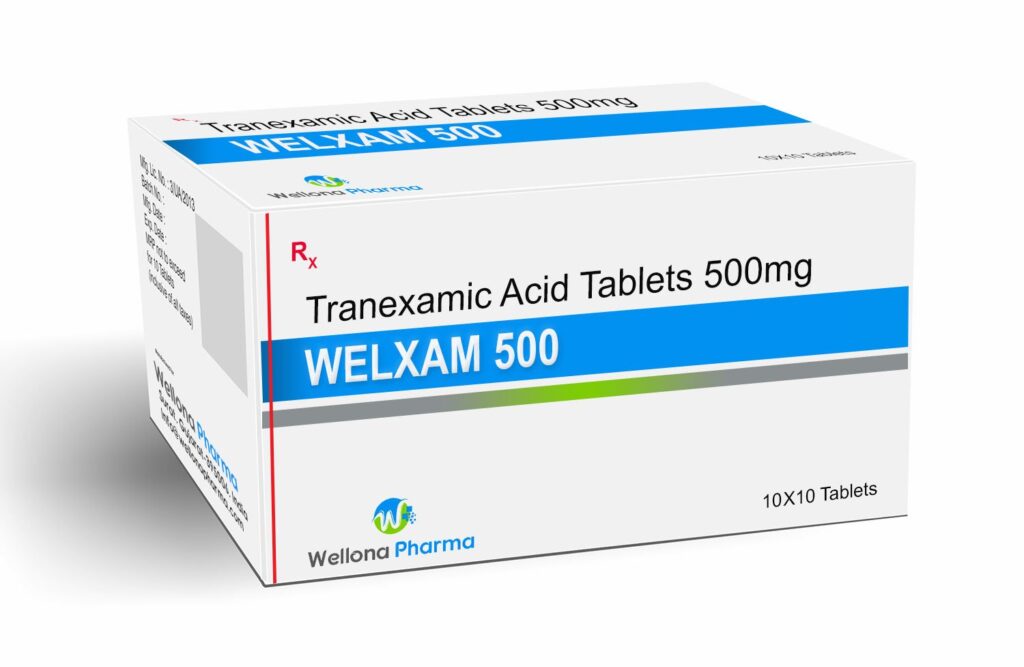
Heavy periods, also known as menorrhagia, refer to menstrual bleeding that is heavier or lasts longer than usual. This may involve needing to change sanitary products very frequently, passing large clots, or bleeding that continues for more than a week.
Heavy periods can affect daily life in different ways, from physical discomfort to fatigue and disruption to normal routines. For some people, symptoms develop gradually, while for others they may appear more suddenly.
Heavy periods can be caused by a range of factors, including hormonal changes and underlying health conditions.
Hormonal imbalance can affect how the uterine lining builds up and sheds during each cycle, leading to heavier bleeding. Other causes may include fibroids, polyps, endometriosis, or conditions that affect blood clotting.
In some cases, no clear cause is identified, but symptoms can still be managed effectively with the right approach.
Treatment for heavy periods depends on the cause, severity, and how much symptoms affect daily life.
Medication is often used to reduce bleeding and manage discomfort. This may include anti-inflammatory treatments, hormonal options that help regulate the menstrual cycle, or other prescribed medications.
If symptoms are ongoing or severe, further investigation may be recommended to identify any underlying conditions and guide treatment.
Reducing heavy periods usually involves managing the underlying cause and using appropriate treatment.
Medication can help control bleeding and reduce the amount of blood loss during each cycle. Lifestyle factors, such as maintaining a healthy weight and managing stress, may also support overall menstrual health.
Tracking symptoms over time can help identify patterns and support more effective management.
Heavy periods can have a noticeable impact on everyday life, particularly when bleeding is difficult to predict or manage.
Frequent changes of sanitary products, discomfort, and fatigue can make work, exercise, and social activities more challenging. Some people may also feel anxious about leaving home during heavier days.
Recognising the impact on daily life can help guide treatment decisions and improve overall comfort.
Heavy periods can lead to iron deficiency anaemia if blood loss continues over several cycles.
Anaemia can cause symptoms such as tiredness, weakness, shortness of breath, and pale skin. These symptoms may develop gradually and can become more noticeable over time.
Managing heavy bleeding and maintaining healthy iron levels can help reduce the risk and improve overall wellbeing.
Heavy periods can begin at different stages of life and are often linked to hormonal changes.
They are more common during the early years of menstruation and around perimenopause, when hormone levels fluctuate. During these times, periods may become heavier, longer, or less predictable.
Understanding when symptoms start can help identify possible causes and guide management.
Hormones play a key role in regulating the menstrual cycle and controlling how the uterine lining develops.
When hormone levels are unbalanced, the lining of the uterus may become thicker than usual, leading to heavier bleeding when it sheds. This is a common reason for heavy periods.
Hormonal treatments are often used to help regulate the cycle and reduce bleeding over time.
Heavy periods can involve more than increased bleeding and may affect overall wellbeing.
Common signs include:
Symptoms can vary between individuals and may change over time or between cycles.
There are several treatment options available, depending on the cause and severity of symptoms.
Options may include medication to reduce bleeding, hormonal treatments to regulate the menstrual cycle, and other prescribed treatments if needed. In some cases, further investigation may be required to determine the most suitable approach.
Treatment plans are usually tailored to individual needs and health history.
Heavy periods may need further assessment if they are severe, persistent, or worsening over time.
Advice may be helpful if:
Seeking advice can help identify the cause and ensure appropriate treatment is provided.
Long-term management focuses on reducing symptoms and improving quality of life over time.
This may involve ongoing treatment, tracking menstrual cycles, and addressing any underlying conditions. Monitoring patterns can help make symptoms more predictable and easier to manage.
With a consistent approach, many people are able to reduce the impact of heavy periods and maintain normal daily activities.