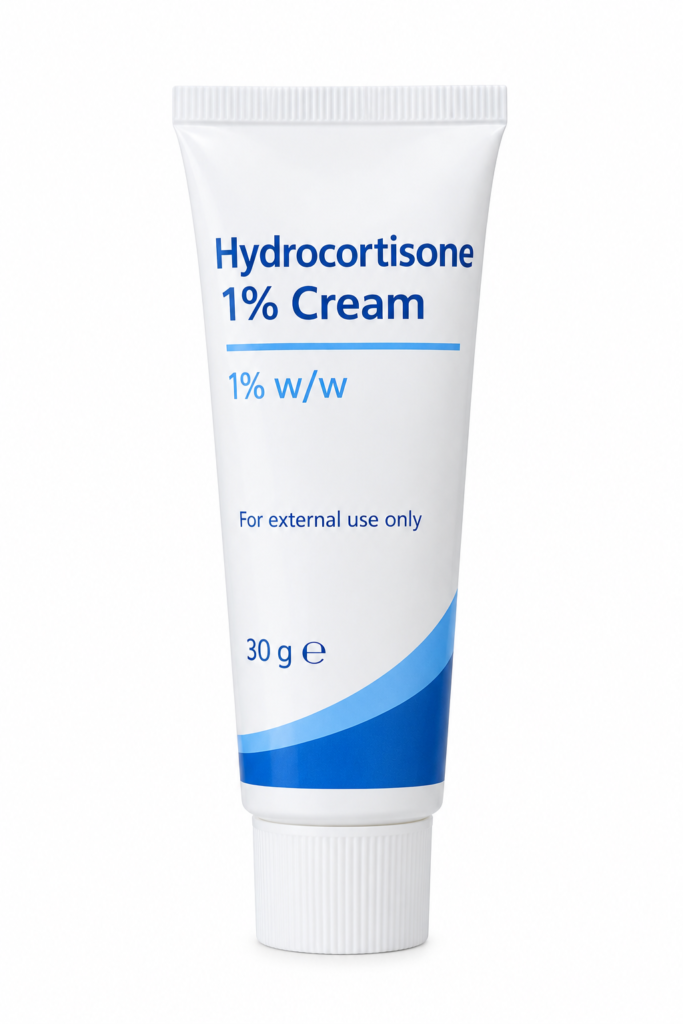
Explore our range of psoriasis treatments, designed to manage and alleviate the symptoms of this chronic skin condition. Psoriasis is an autoimmune disorder characterised by red, itchy, and scaly patches on the skin, which can range from mild to severe. To ensure you receive the most effective treatment for your specific needs, please complete our online form. This form will help us understand your condition better and match you with the best products and solutions.
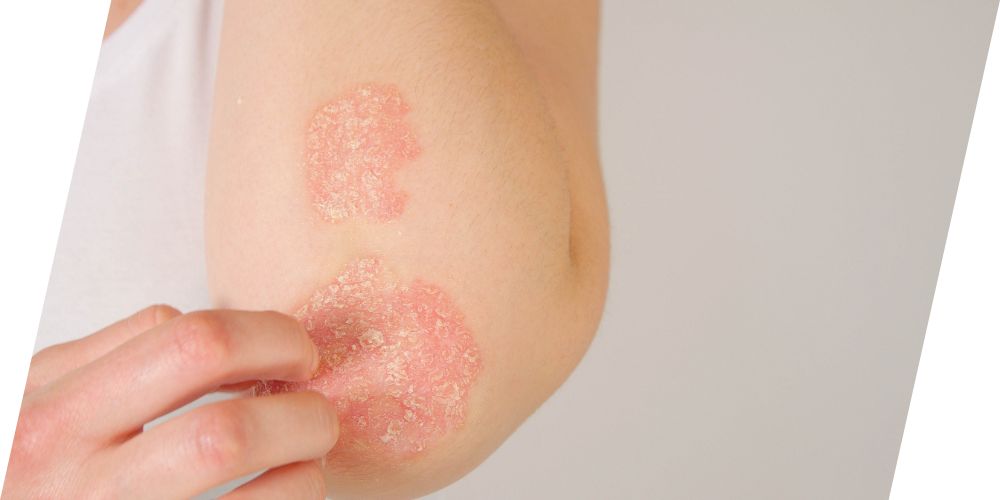
Psoriasis can begin at any age, but it often develops in early adulthood or later in life.
For some people, symptoms appear suddenly after a trigger such as illness, stress, or skin injury. In others, the condition develops more gradually, starting with small patches that become more noticeable over time.
Recognising early signs can help with earlier management and may reduce the severity of future flare-ups.
Psoriasis is a long-term condition that typically follows a pattern of flare-ups and periods of improvement.
Symptoms may worsen for a period of time and then settle, sometimes for weeks or months. These changes are often linked to triggers such as stress, weather, or illness.
Understanding this pattern can help people prepare for flare-ups and manage symptoms more effectively.
Weather can have a noticeable impact on psoriasis symptoms.
Cold and dry conditions can make the skin drier and more prone to irritation, which may worsen symptoms. Some people find that their psoriasis improves during warmer months or with increased sunlight exposure.
Adjusting skincare routines based on seasonal changes can help maintain better control of symptoms.
Psoriasis can affect more than just the skin and may involve the scalp and nails.
Scalp psoriasis can cause flaking, itching, and redness around the hairline or across the scalp. Nail psoriasis may lead to pitting, thickening, or changes in nail colour.
These areas can sometimes be more difficult to treat and may require specific treatments.
Some people with psoriasis may develop joint-related symptoms, known as psoriatic arthritis.
This can cause pain, stiffness, and swelling in the joints, particularly in the fingers, toes, or lower back. Symptoms may develop alongside skin changes or appear separately.
Early recognition of joint symptoms is important, as treatment can help prevent further complications.
Stress is a common trigger for psoriasis flare-ups and can make symptoms more difficult to manage.
Emotional or physical stress may worsen inflammation in the body, leading to increased skin symptoms. In some cases, flare-ups may appear during or after stressful periods.
Managing stress through relaxation techniques or lifestyle changes may help reduce the frequency of flare-ups.
Daily routines can have a significant impact on how psoriasis is managed.
Keeping the skin moisturised, avoiding harsh products, and protecting the skin from irritation can all help reduce symptoms. Wearing comfortable clothing and avoiding excessive scratching can also improve skin condition.
Small, consistent habits can support long-term control and improve comfort.
The length of a psoriasis flare-up can vary depending on the individual and the triggers involved.
Some flare-ups may last a few weeks, while others can persist for longer periods if not treated. The severity of symptoms and how quickly treatment is started can influence how long they last.
Consistent management can help shorten flare-ups and reduce their frequency.