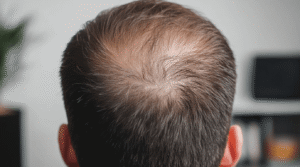
Experiencing thinning hair or hair loss can be distressing and impact your self-esteem. Understanding the underlying causes, such as genetics, stress, or medical conditions, is crucial for effective management. By exploring various hair loss treatments and lifestyle changes, you can slow hair loss and promote regrowth, helping you regain confidence and improve your appearance.

Hair loss can be caused by genetics, hormonal changes, medical conditions, or stress.
Treatments include Finasteride (Propecia) and Minoxidil, which help to slow hair loss and promote regrowth.
Side effects may include decreased libido, erectile dysfunction, and scalp irritation.
Yes, treatments like Minoxidil are suitable for women, but Finasteride is typically prescribed for men.
Results can typically be seen after 3 to 6 months of consistent use.
Yes, stress can lead to hair loss conditions such as telogen effluvium, where hair falls out after a stressful event.
You can find medication to stop hair loss through WePrescribe. Our platform offers consultations with healthcare professionals who can assess your hair lossand prescribe appropriate medication.
Hair loss can occur for a variety of reasons, including genetics, hormonal changes, and underlying health factors. The most common cause is pattern hair loss, which is linked to sensitivity to hormones such as DHT and can affect both men and women.
Other causes may include medical conditions, nutritional deficiencies, stress, and certain medications. Hair loss can develop gradually or appear more suddenly, depending on the underlying cause.
In many cases, more than one factor may be involved.
Stopping hair loss depends on identifying the cause and choosing the right treatment approach. For some people, lifestyle changes such as improving diet, reducing stress, and managing underlying health conditions can help.
Medical treatments are also available and are often used to slow hair loss and support regrowth. These may include topical treatments or oral medication, depending on individual needs.
Early action can help improve results and reduce further hair loss over time
Losing some hair each day is a normal part of the hair growth cycle. On average, it is common to lose between 50 and 100 hairs per day.
Hair naturally goes through cycles of growth, rest, and shedding. This means some hair loss is expected and does not usually indicate a problem.
Noticeable thinning, increased shedding, or changes in hair density may suggest an underlying cause that may need further attention.
Certain nutritional deficiencies can contribute to hair loss by affecting the hair growth cycle and overall hair health.
Common deficiencies linked to hair loss include:
Low levels of these nutrients can lead to increased shedding or slower regrowth. Maintaining a balanced diet and addressing deficiencies can help support healthier hair over time.
Stress can contribute to a type of hair loss known as telogen effluvium. This occurs when more hairs than usual enter the shedding phase of the hair growth cycle.
Hair loss linked to stress is often temporary and may become noticeable a few months after a stressful event. Once stress levels reduce, hair growth usually returns to normal over time.
Managing stress and supporting overall wellbeing can help reduce the likelihood of this type of hair loss.
High testosterone itself does not directly cause hair loss. Instead, hair loss is linked to how the body converts testosterone into a hormone called DHT.
In people who are sensitive to DHT, this hormone can shrink hair follicles over time, leading to thinning and pattern hair loss. This process is influenced by genetics rather than testosterone levels alone.
Understanding this link can help guide treatment options that target the underlying cause rather than hormone levels directly.
Treatment for hair loss depends on the cause and how advanced it is.
Common options include topical treatments that are applied directly to the scalp and oral medications that help reduce hair loss or support regrowth. In some cases, addressing underlying conditions or deficiencies can improve hair health.
Treatment often takes time, and consistent use is important for noticeable results.
Hair loss is not always a cause for concern, but some situations may need further assessment.
Advice may be helpful if hair loss:
Assessment can help identify the cause and guide suitable treatment options.
Managing hair loss often involves a combination of treatment and ongoing care.
Maintaining a balanced diet, managing stress, and using recommended treatments consistently can help support long-term results. Monitoring changes in hair growth can also help track progress.
A consistent approach can help reduce further hair loss and support healthier regrowth over time.
Hair loss can present in different ways depending on the cause. Some people notice gradual thinning, while others may experience more sudden shedding or patchy hair loss.
Common types include pattern hair loss, which develops over time, and temporary shedding linked to stress or illness. Patchy hair loss may be related to autoimmune conditions.
Understanding the type of hair loss can help guide the most appropriate treatment approach.
Hair loss can affect both men and women, but the pattern and causes may differ.
Men are more likely to experience a receding hairline or thinning at the crown, often linked to genetic factors. Women may notice overall thinning across the scalp rather than a defined pattern.
Hormonal changes, particularly during pregnancy or menopause, can also affect hair growth in women.
Hair loss often develops gradually, and early signs can sometimes be overlooked.
Common early changes include increased hair shedding, thinning around the temples or parting, and reduced hair volume. Some people may notice more hair on brushes, pillows, or in the shower.
Recognising these signs early can make it easier to take action and explore treatment options.