Severe headaches from migraines cause intense, throbbing pain on one side of the head, often accompanied by visual disturbances, nausea, and vomiting. Identifying triggers and using effective migraine treatments can provide rapid relief and manage symptoms. By adopting suitable strategies, you can reduce the frequency and severity of migraines, enhancing your quality of life.

A migraine is a severe headache characterised by intense, throbbing pain, often accompanied by nausea, vomiting, and sensitivity to light and sound.
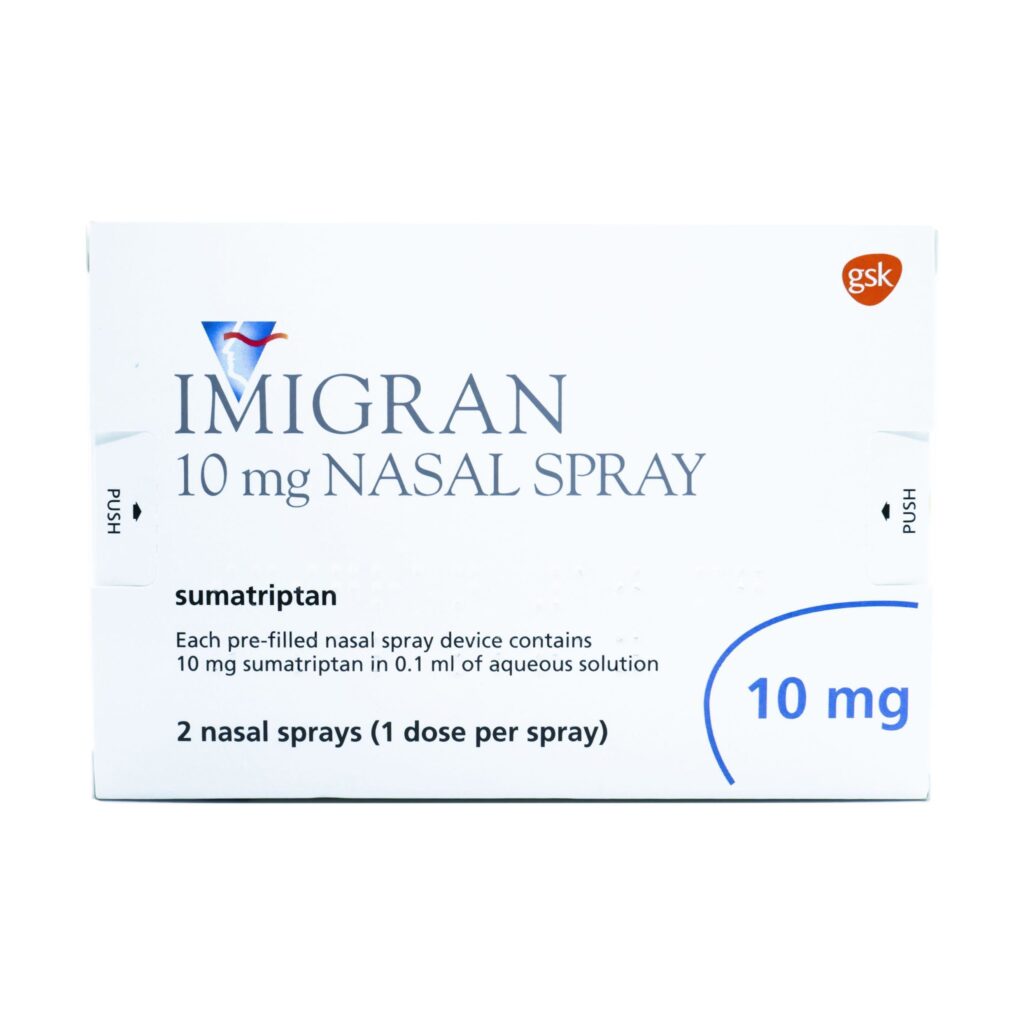
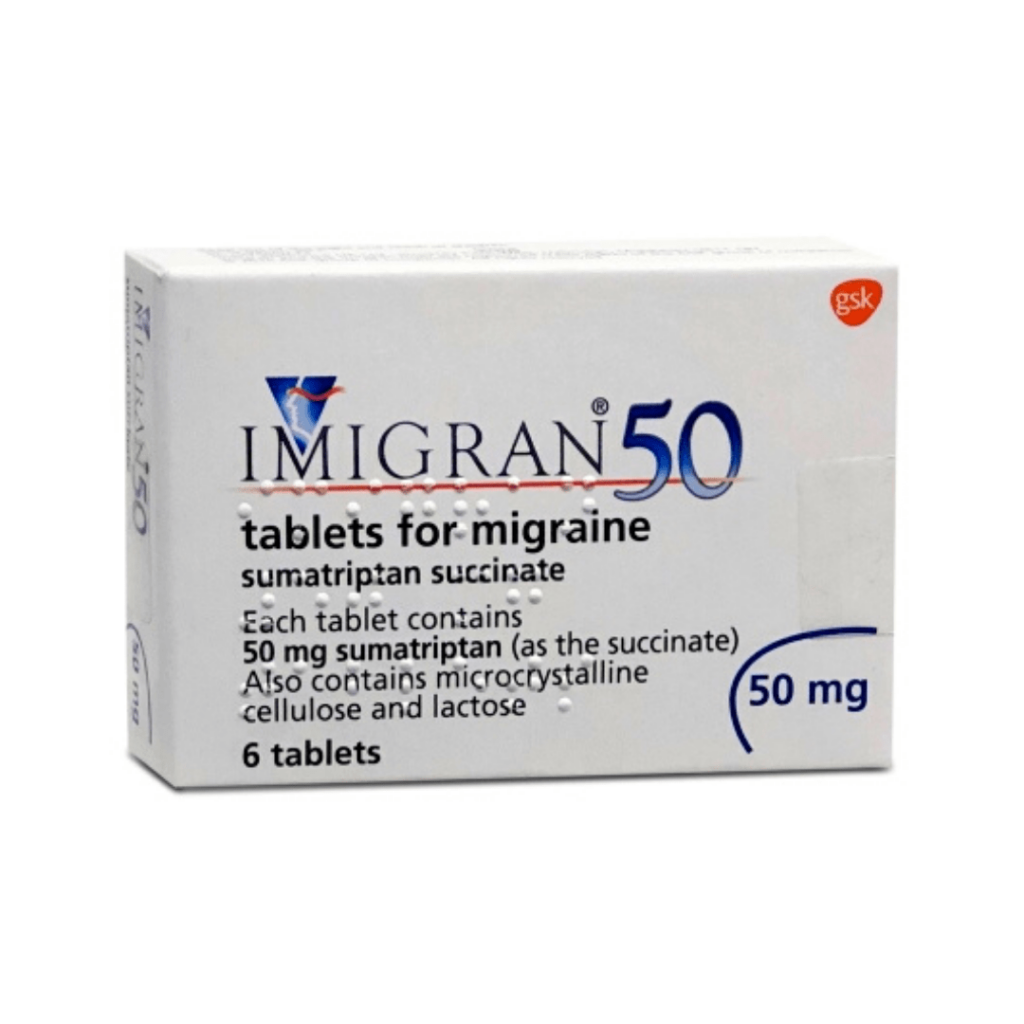
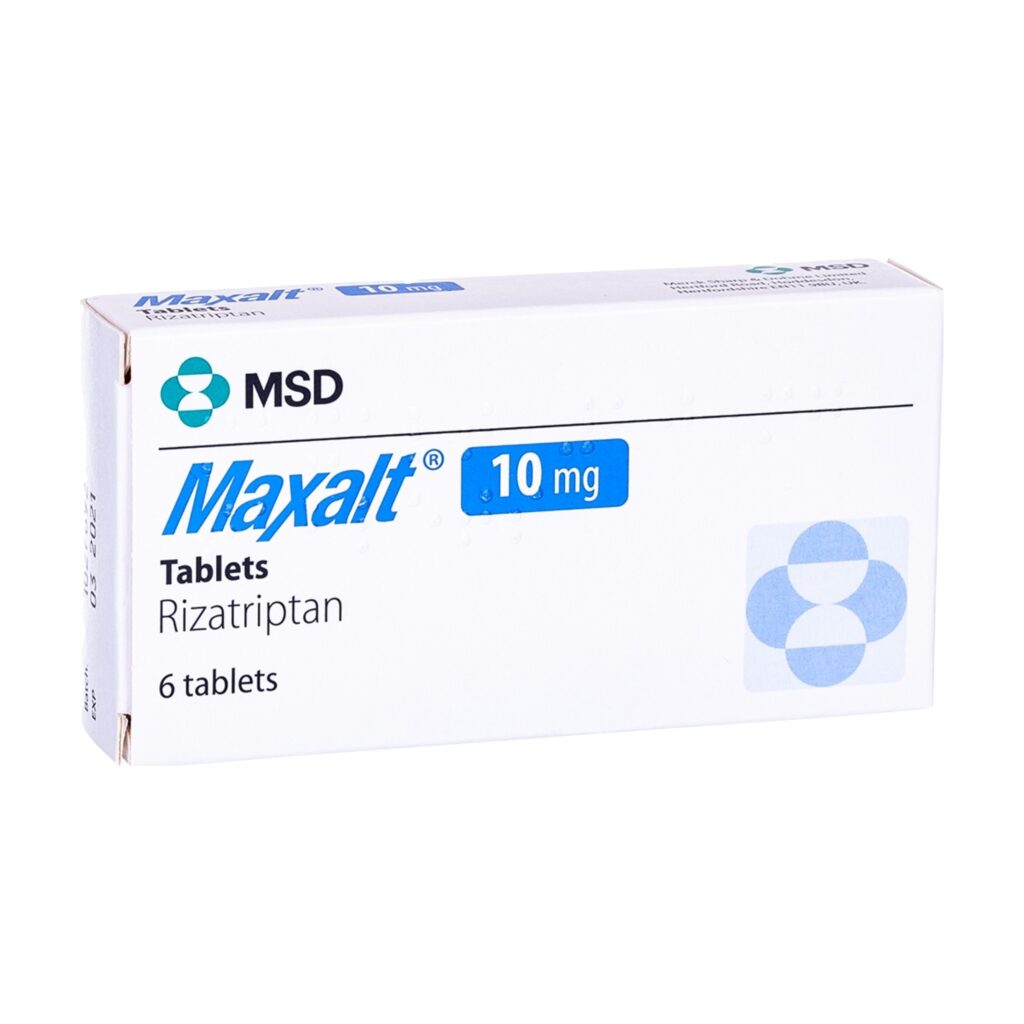
Migraine treatments include medications like Sumatriptan, Rizatriptan, and Zolmitriptan, which help alleviate symptoms.
Common triggers include stress, certain foods, hormonal changes, and environmental factors like bright lights.
Side effects may include dizziness, fatigue, and dry mouth. Always follow medical advice.
Yes, maintaining a regular sleep schedule, staying hydrated, and avoiding known triggers can help manage migraines.
There is no cure, but effective treatments and lifestyle changes can manage symptoms and reduce frequency.
Migraines are typically more severe than regular headaches and are often accompanied by additional symptoms like nausea and sensitivity to light.
Migraines are a neurological condition linked to changes in brain activity, nerve signals, and blood flow. The exact cause is not fully understood, but migraines are often triggered by a combination of internal and external factors.
Common triggers vary from person to person and may build up over time before an attack develops.
Triggers can include:
Identifying personal triggers can help reduce how often migraines occur.
Managing a migraine often involves a combination of rest, environment changes, and medication. Moving to a quiet, dark room and avoiding sensory triggers can help reduce symptom intensity.
Medication plays an important role in treatment. Over-the-counter pain relief, such as paracetamol or ibuprofen, may help if taken early. For more severe or frequent migraines, prescription treatments such as triptans are often used to target migraine-specific symptoms.
Anti-sickness medication may be recommended if nausea or vomiting is present. Treatment is most effective when taken at the first sign of a migraine.
A migraine is more than a typical headache and often includes a range of symptoms that can affect daily activities.
Pain is usually described as throbbing or pulsing and often affects one side of the head, although it can occur on both sides. The pain may worsen with movement or physical activity.
Other symptoms commonly include sensitivity to light and sound, nausea, and visual disturbances. Some people experience warning signs known as aura, which can involve flashing lights, blind spots, or tingling sensations before the headache begins.
Migraine attacks can vary in duration, typically lasting from a few hours to several days.
For many people, a migraine lasts between 4 and 72 hours if untreated. The duration can depend on the severity of the attack, how quickly treatment is started, and individual response to medication.
Some people may experience lingering effects, such as fatigue or difficulty concentrating, even after the main headache has eased.
Relieving a migraine quickly often depends on acting early and using the right combination of treatments.
Taking medication at the first sign of symptoms can help stop the migraine from progressing. Resting in a dark, quiet space and avoiding screens or bright light may reduce discomfort.
Staying hydrated and using a cold compress on the forehead or neck can also provide relief for some people. Fast relief is more likely when treatment is started before symptoms become severe.
Headaches and migraines are both types of head pain, but they differ in severity, symptoms, and impact.
A typical headache usually causes mild to moderate, steady pain and may be linked to tension, dehydration, or fatigue. It does not usually involve additional symptoms beyond discomfort in the head.
A migraine is more intense and often includes a combination of symptoms such as throbbing pain, nausea, and sensitivity to light or sound. Migraines can interfere with daily activities and may require specific treatment rather than standard pain relief.
Understanding the difference can help guide the most appropriate approach to treatment and management.
Migraine triggers can vary widely, and recognising patterns can help reduce how often attacks occur. Triggers do not always cause an immediate migraine and may build up over time.
Common triggers include:
Keeping track of symptoms and potential triggers can help identify patterns and support better management.
Migraines often involve more than head pain and can affect multiple areas of the body.
Symptoms may include nausea, vomiting, sensitivity to light and sound, and dizziness. Some people experience visual changes or tingling sensations before the headache begins.
These additional symptoms can make migraines more disruptive and may require specific treatment to manage effectively.
Occasional migraines may be managed with lifestyle adjustments and over-the-counter medication. However, more frequent or severe migraines may require medical treatment.
Treatment may be needed if migraines:
Seeking advice can help identify suitable treatment options and reduce the impact of migraines over time.
Preventing migraines focuses on reducing exposure to known triggers and maintaining consistent daily habits.
Regular sleep, staying hydrated, and eating balanced meals can help support overall stability. Managing stress and avoiding known triggers where possible may reduce how often migraines occur.
For people with frequent migraines, preventative medication may be recommended to reduce the number and severity of attacks.
Migraines can affect daily routines, work, and social activities, particularly when attacks are frequent or unpredictable.
Understanding personal triggers, recognising early symptoms, and having a clear treatment plan can help make migraines more manageable. Many people find that a combination of lifestyle adjustments and medication improves control over time.
Ongoing support and access to appropriate treatment can help reduce disruption and improve quality of life.