Quitting nicotine is challenging, but stop smoking medication can significantly improve your health and well-being. Support options, including counselling, medication, and lifestyle changes, can increase your chances of success. Understanding the benefits of quitting and accessing available resources can help you overcome addiction and lead a healthier, smoke-free life.

Benefits include improved lung function, reduced risk of heart disease and cancer, better circulation, and overall improved health.
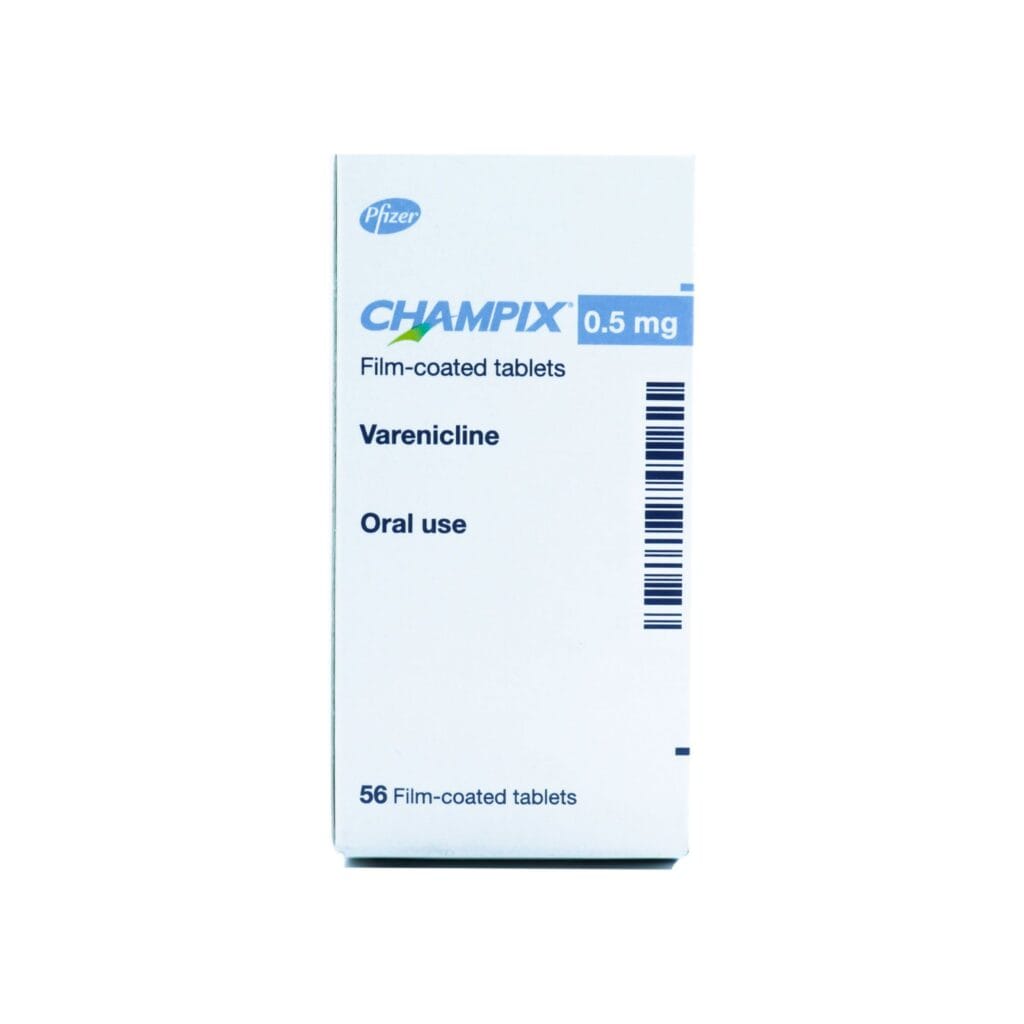
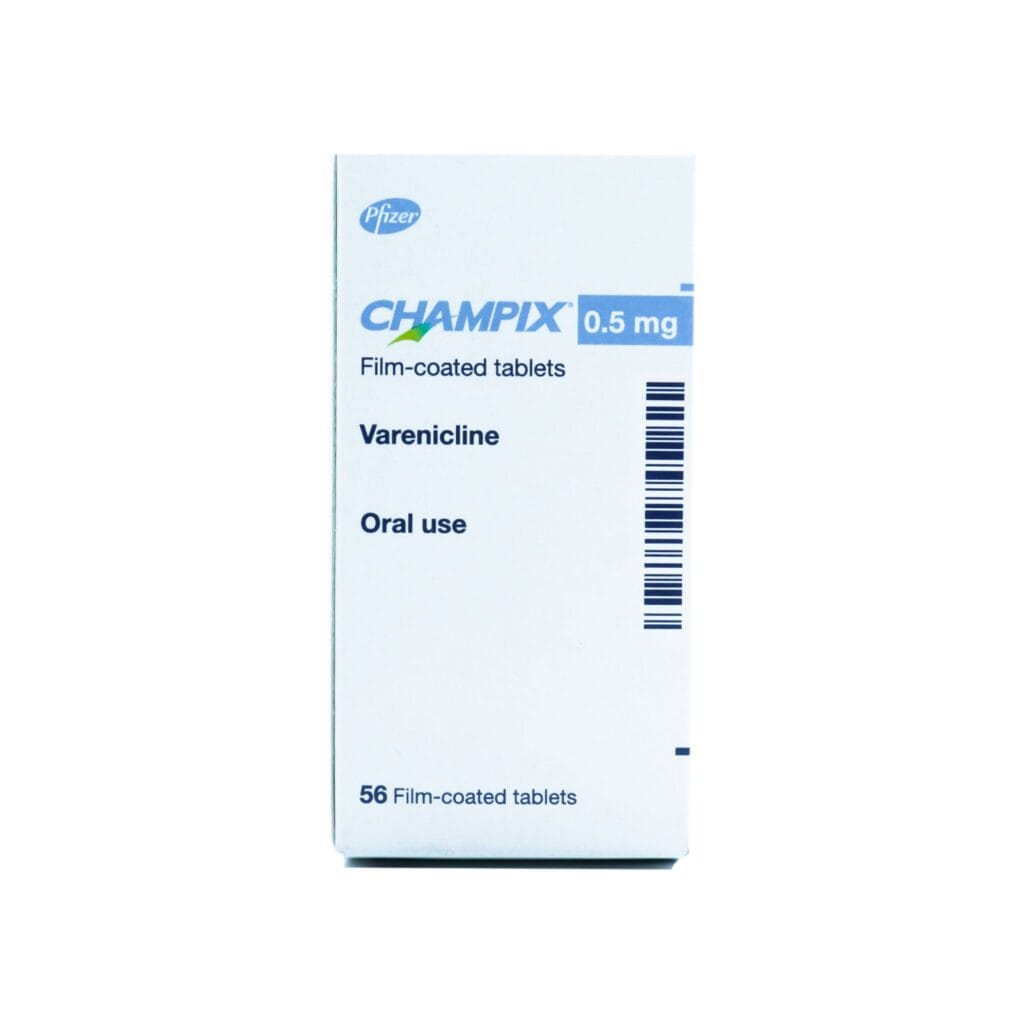
Medications include Champix (varenicline), which reduces cravings and withdrawal symptoms.
Common side effects include nicotine withdrawal symptoms like irritability, cravings, and difficulty concentrating. These are temporary and manageable.
NRT provides low levels of nicotine without the harmful chemicals in cigarettes, helping to reduce withdrawal symptoms and cravings.
The time varies for each person. Some people quit on their first attempt, while others may take several attempts over months or years.
Don’t be discouraged. Analyse the reasons for relapse, learn from them, and try again. Many successful quitters have experienced relapses before quitting for good.
We offer medication to aid in smoking through WePrescribe. With our online platform, you can conveniently access consultations with healthcare professionals who can prescribe the appropriate medication to assist you in quitting smoking successfully.
Stopping smoking involves breaking both the physical addiction to nicotine and the habits linked to smoking. Many people find that a combination of behavioural changes and treatment provides the best support.
Setting a quit date can help create a clear starting point. Identifying triggers, such as stress, routines, or social situations, can make it easier to plan alternatives and avoid relapse.
Support options include nicotine replacement therapy (NRT), prescription medication, and structured support programmes. Having the right approach in place can improve the chances of quitting successfully.
After stopping smoking, the body begins to recover almost immediately. Changes start within hours and continue over time as the body repairs itself.
Early improvements include reduced heart rate and carbon monoxide levels returning to normal. Over the following days and weeks, circulation and lung function begin to improve.
Common short-term effects may include cravings, irritability, and changes in mood as the body adjusts to the absence of nicotine. These symptoms are temporary and part of the withdrawal process.
The time it takes to stop smoking varies from person to person. Some people stop completely from a set quit date, while others gradually reduce before quitting.
Nicotine withdrawal symptoms are usually strongest during the first few days and begin to ease over the following weeks. Long-term success depends on maintaining the change and managing triggers over time.
Stopping smoking is a process rather than a single event, and progress can look different for each individual.
There is no single method that works for everyone, but combining treatment with behavioural support is often the most effective approach.
Nicotine replacement products, such as patches, gum, or lozenges, help reduce withdrawal symptoms. Prescription treatments may also be recommended to reduce cravings and make quitting more manageable.
Accessing structured support can increase success rates. For treatment options and guidance, visit our stop smoking treatment page to find a suitable approach based on your needs.
Cravings are a common part of quitting smoking and tend to be strongest in the early stages.
For many people, cravings peak within the first few days and begin to reduce over the next two to four weeks. Occasional urges may still occur after this, particularly in situations previously linked to smoking.
Cravings usually become less frequent and easier to manage over time. Learning to recognise triggers and having strategies in place can help reduce their impact.
Nicotine withdrawal can cause a range of temporary symptoms as the body adjusts.
Common symptoms include:
These symptoms are usually most noticeable in the first week and gradually improve. Using appropriate treatment and support can help make this stage more manageable.
Stopping smoking has both immediate and long-term benefits for health and wellbeing.
Breathing becomes easier, circulation improves, and the risk of smoking-related conditions begins to reduce. Energy levels may increase, and senses such as taste and smell can improve.
Over time, stopping smoking supports better overall health and reduces the risk of serious illness.
Maintaining progress after quitting is an important part of the process.
Avoiding triggers, building new routines, and having support in place can help prevent relapse. Some people benefit from ongoing use of nicotine replacement products or continued guidance.
Consistency and preparation can make it easier to stay smoke-free and manage challenges as they arise.