


Seeing extra strands on your pillow or in the shower can be worrying, but hair loss is far more common than most people realise. For many, it’s caused by a mix of genetics, hormones, stress or everyday habits.
This guide looks at the five main causes of head hair loss and explains how to spot what might be happening. It’s not here to diagnose, but to reassure and inform. Once you understand the reasons for losing the hair from your head, you can take calm, practical steps toward managing it confidently.
Genetic Factors and Family History
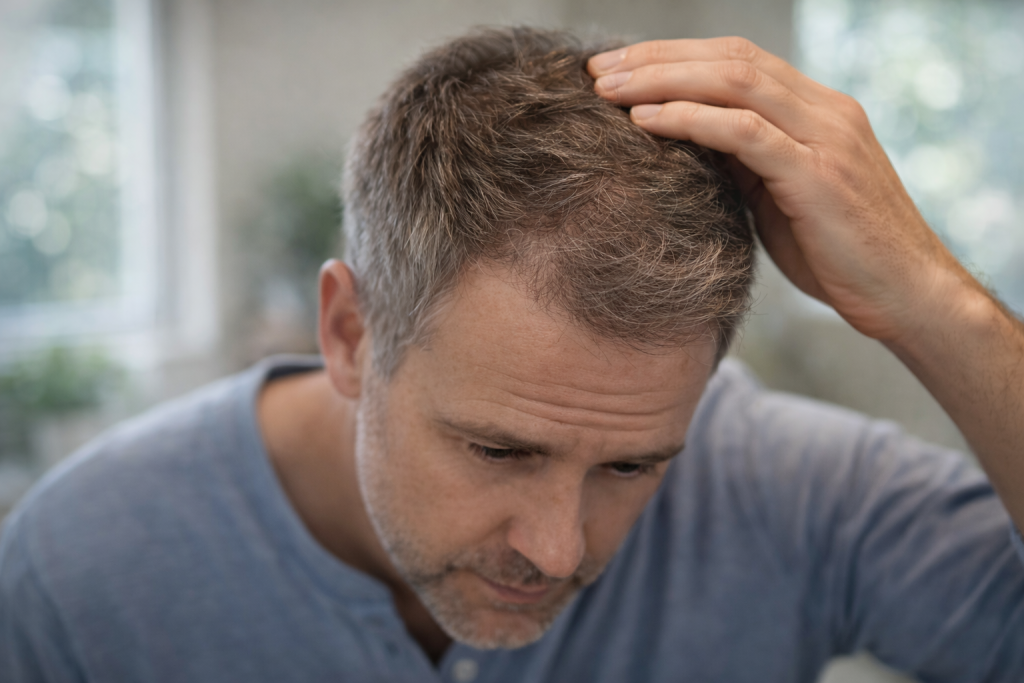
If your parents or grandparents experienced thinning or receding hair, there’s a fair chance genetics might be playing a part in your own hair shedding causes. This inherited type of thinning, often called pattern hair loss, tends to appear gradually rather than suddenly. You might notice a widening parting, a slowly receding hairline, or less density across the crown.
Both men and women can be affected, though the pattern looks slightly different from person to person. The key thing to know is that genetic hair loss reasons are among the most common explanations for changes in hair density. It happens because inherited genes can make hair follicles more sensitive to hormonal shifts that shorten the natural growth cycle.
While this process can be frustrating, it’s also very common. Understanding that family history often influences the answers behind why you are losing hair, and helps take some of the fear out of it and encourages realistic, calm expectations about what’s happening.
Hormonal Changes and Imbalances
Your hormones influence almost every part of your body, including how your hair grows and sheds. When these levels fluctuate, the growth cycle can be interrupted, leading to temporary or gradual thinning. This is one of the more common hair loss reasons seen in both men and women.
Periods of change, such as pregnancy, menopause, or thyroid fluctuations, can all affect how hair behaves. These shifts can cause more strands to enter the resting phase, leading to extra shedding for a while. It’s something many people experience at some point, and in many cases, the hair cycle balances itself over time.
Understanding hormonal hair loss, explained in simple terms, helps to remove some of the anxiety. Rather than trying to self-diagnose, it’s better to note any ongoing or severe changes and seek professional guidance if things don’t seem to improve. Hormone-related thinning can feel unsettling, but it’s often temporary and manageable with the right support.
Nutritional Deficiencies and Poor Diet
Hair is made up of protein, so it’s no surprise that your diet plays a big role in keeping it strong and healthy. When your body doesn’t get enough of certain nutrients, it often shows in your hair first. Iron, vitamin D, zinc and protein are particularly important, and missing these for long periods can sometimes lead to thinning or excessive shedding.
Restrictive or crash diets are a common trigger, too. When you lose weight quickly, your body tends to prioritise essential functions over hair growth, which can lead to noticeable shedding a few months later. These thinning hair causes are often temporary, but they can still feel unsettling.
The good news is that a balanced, varied diet usually helps keep hair in better condition. Rather than turning straight to supplements, focus on nourishing foods that support overall health. After all, many causes of head hair loss can be linked to simple lifestyle habits that are within your control.
Stress and Lifestyle Triggers
It’s not unusual to notice more hair coming out after a stressful event or period of change. Emotional pressure, illness, or major life shifts can temporarily push more hairs into the resting phase, which leads to shedding a few months later. This is sometimes known as telogen effluvium, and it’s one of the most common stress-related hair loss patterns seen in adults.
The good news is that this kind of shedding is usually short-lived. Once the stress eases, the growth cycle often settles back to normal. Poor sleep, smoking and excessive alcohol can also contribute to weaker strands, so small lifestyle adjustments can make a difference over time.
Many people asking why they are losing hair find that everyday pressures play a bigger part than they expect. Recognising these common hair loss reasons can help you take small, steady steps to reduce their impact and support your wellbeing along the way.
Medical Conditions and Medication Side Effects
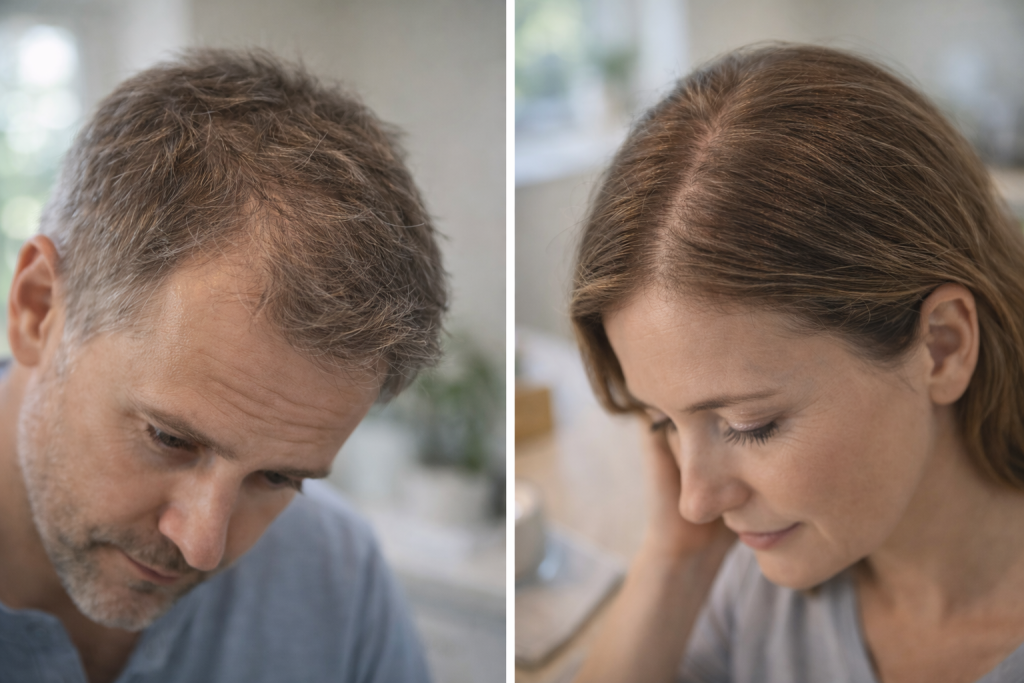
Sometimes, hair loss can be linked to an underlying health issue or a reaction to certain prescribed medicines. Conditions such as thyroid imbalance, anaemia or autoimmune disorders can sometimes disrupt the natural hair growth cycle. Scalp conditions like psoriasis or seborrheic dermatitis may also make hair feel thinner or more fragile.
If you’ve noticed persistent shedding alongside other symptoms, it might be worth discussing with a healthcare professional. It’s important not to stop any prescribed medicine without proper advice, as some causes of head hair loss relate to temporary changes that resolve once treatment is adjusted or the body recovers.
Often, there can be more than one factor involved. Understanding these potential links helps you see the bigger picture without jumping to conclusions. While some hair shedding causes need medical assessment, many are mild, manageable and nothing to be overly alarmed about.
When to Seek Professional Advice Through WePrescribe
If you notice sudden or patchy hair loss, or shedding that keeps getting worse, it may be time to seek professional help. Hair changes linked with tiredness, weight shifts or other symptoms can suggest an underlying issue worth checking.
Through WePrescribe, you can arrange a discreet online consultation that fits your routine. One of our qualified pharmacists can review your concerns and guide your next steps from the comfort of your home.
Even if your hair loss turns out to be temporary, getting reassurance can make a real difference. It’s often the most helpful first step toward understanding your reasons for losing head hair and how to manage them.
Hair loss can feel unsettling, but it’s something millions of people experience at different stages of life. Understanding the most likely common hair loss reasons helps you approach the situation with more clarity and less worry. In many cases, the underlying cause can be identified and managed with the right guidance.
If you’d like discreet, professional help, get in touch with us here at WePrescribe for confidential online consultations, advice and support to take the next step for managing losing head hair in a calm, considered way.