


Finding more hair in your brush, shower or on your pillow can make it difficult to know whether you are experiencing normal shedding or hair loss. Some daily shedding is part of the natural hair growth cycle, while changes in density, pattern or the hairline may have another cause.
Understanding hair shedding vs hair loss involves looking at how long changes last, where thinning appears and whether it progresses. This guide explains the main differences, possible causes and when professional assessment may be appropriate.
Amount of Hair Lost
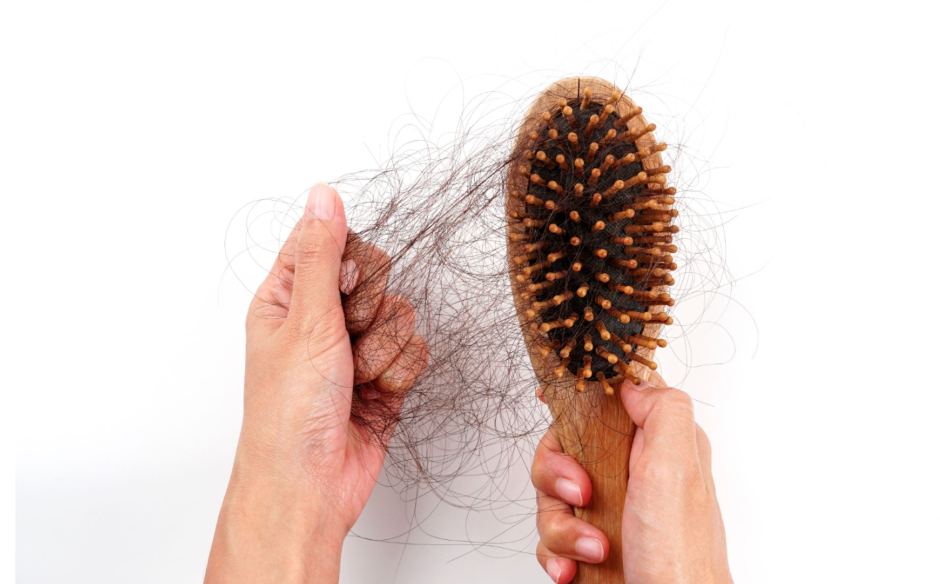
Losing some hair every day is normal, while consistently shedding noticeably more than usual may indicate a temporary disruption to the hair growth cycle.
Hair follicles naturally move through stages of growth, rest and shedding. The American Academy of Dermatology (AAD) states that losing around 50–100 hairs each day can be normal. Washing and brushing habits can affect how noticeable these hairs appear.
Rather than counting individual strands, consider changes from your usual pattern.
| What you notice | Normal or temporary shedding | Possible hair loss |
| Loose hairs | Some daily shedding | May increase alongside thinning |
| Distribution | Usually across the scalp | May affect particular areas |
| Hair density | Can temporarily decrease | May progressively decrease |
| Hairline | Usually remains broadly unchanged | May gradually change |
| Duration | May resolve | Can continue or progress |
A noticeable increase from your usual level is worth monitoring, particularly alongside changes in density or coverage.
Duration of Hair Changes
Hair shedding can be temporary, whereas some forms of hair loss develop gradually or continue over a longer period.
Excessive hair shedding can occur when more follicles than usual enter the resting, or telogen, phase of the hair cycle. Telogen effluvium is one example. It can develop following events such as illness, childbirth or significant physical or emotional stress.
The increased shedding may not begin immediately after the trigger. According to the AAD, people can notice excessive shedding several months after a stressful event.
Timing is therefore useful when discussing hair changes with a healthcare professional. Consider whether there was an illness, major life event, dietary change or another significant change in the months before shedding became noticeable.
Taking occasional photographs can also help you monitor longer-term changes. Try to photograph your hairline, parting and crown from similar angles and under comparable lighting rather than relying on memory alone.
Pattern of Thinning
The way your hair becomes thinner can provide useful clues about its possible cause, although appearance alone cannot confirm a diagnosis.
Temporary diffuse shedding tends to affect hair across the scalp. Telogen effluvium, for example, can reduce overall volume rather than creating one clearly defined area of hair loss.
Other conditions can produce different patterns. You might notice thinning concentrated around the crown, gradual recession at the hairline, a wider parting or distinct patches where hair density has reduced.
Pattern is one of several factors a healthcare professional may consider during an assessment. Your medical history, symptoms, family history and the speed at which the change developed can also be relevant.
Avoid trying to identify a particular condition from photographs online. Similar-looking patterns can have different causes and may require different approaches to management.
Changes to the Hairline
Changes to the hairline are more commonly associated with certain forms of hair loss than with normal daily shedding.
A hairline that gradually recedes, changes shape or becomes less dense may indicate progressive hair loss. Normal shedding tends to occur across the scalp without steadily altering the hairline.
Comparing current and older photographs can help identify changes over time. Focus on your own previous hairline rather than comparing it with someone else’s, as shape and density naturally vary between individuals.
Persistent or progressive changes may warrant professional assessment. WePrescribe provides information about hair loss medication and clinical assessment. Medication is not appropriate for every cause of hair loss, and suitability for prescription treatment depends on an individual assessment by a qualified prescriber.
Visibility of the Scalp
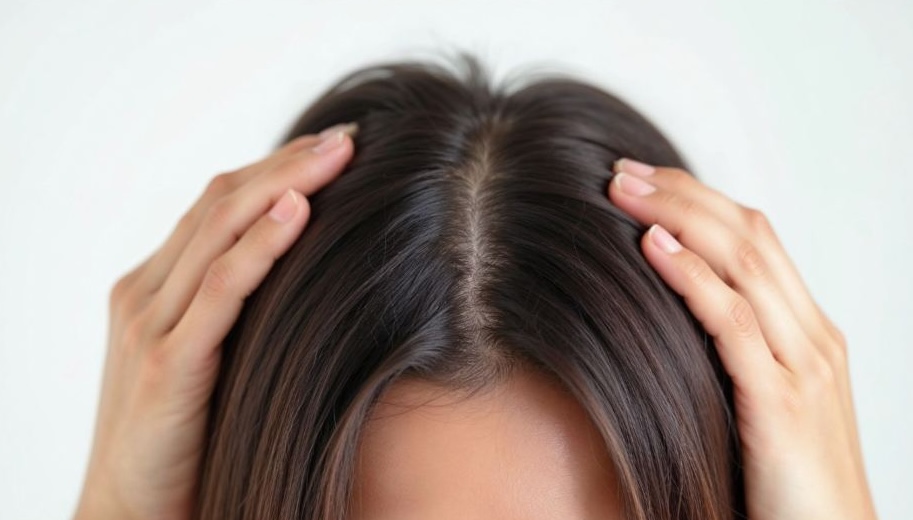
An increasingly visible scalp can indicate reduced hair density, particularly when the change progresses over time.
You may notice a parting becoming wider, less coverage around the crown or more scalp showing through the hair in areas which previously appeared denser.
Visible scalp does not automatically indicate progressive hair loss. Significant diffuse shedding can temporarily reduce overall hair volume. Wet hair, bright overhead lighting, styling and changes in hair length can also alter how much scalp appears visible.
Consistency is valuable when monitoring this change. Photographs taken with dry hair, similar styling and comparable lighting give a clearer basis for comparison than repeatedly checking different mirrors or lighting conditions.
If scalp visibility continues to increase alongside hairline changes or persistent thinning, consider seeking professional advice.
Condition of the Hair Follicles
Different forms of hair loss can affect the hair follicles and growth cycle differently, making professional assessment important when the cause is unclear.
With temporary shedding, more hairs may enter the resting and shedding stages of the hair cycle. Other conditions can affect follicles differently. Some forms of hair loss are non-scarring, while scarring forms can damage follicles and require medical assessment.
Hair follicle miniaturisation is associated with pattern hair loss, where affected follicles can produce progressively finer and shorter hairs.
Examining shed hairs at home cannot reliably determine what is happening within the follicles. A healthcare professional may examine the scalp, assess the distribution of thinning and review your medical history to help establish the likely cause and whether further investigation is appropriate.
Common Underlying Causes
Hair shedding and hair loss can have different causes, making accurate assessment important before management options are considered.
Temporary excessive shedding may follow a physical or emotional change affecting the hair cycle. Possible triggers include:
- illness or high fever
- childbirth
- significant stress
- surgery
- substantial dietary or weight changes
- changes involving certain medicines or hormonal treatments.
Hair loss can have other causes, including genetics, hormonal factors, immune-related conditions, some medical conditions and repeated tension from certain hairstyles. Age can also influence hair density and growth.
If you suspect a medicine is contributing to increased shedding, do not stop taking prescribed treatment without professional advice. A pharmacist, GP or another appropriate healthcare professional can help determine the safest next step.
When Clinical Assessment May Be Needed
Persistent, worsening or unusual hair changes should be assessed by a healthcare professional, particularly when hair density, pattern or scalp condition changes.
Consider seeking professional advice if you notice:
- sudden or substantial hair loss
- distinct bald or thinning patches
- a progressively changing hairline
- continuing loss of hair density
- increasing scalp visibility
- redness, scaling or soreness
- hair changes alongside other unexplained symptoms.
A healthcare professional may ask when the changes began, how they developed and whether you have experienced recent illness, stress or dietary changes. Your medicines, medical history and family history may also be relevant.
Keeping a brief timeline and comparable photographs can help explain how your hair has changed and support a more informed clinical assessment.
When Treatment May Be Considered
Treatment may be considered when a clinical assessment identifies a likely cause and determines that management is appropriate.
Not every increase in shedding requires medication. Depending on the cause, management may involve monitoring changes, addressing an identified trigger, reviewing hair-care practices or investigating an underlying health concern.
If treatment is considered, a clinician will assess factors such as the type of hair loss, medical history and individual circumstances. Prescription treatments are not suitable for everyone, and outcomes vary between individuals.
If you remain unsure whether you are experiencing normal shedding or hair loss, a video consultation can provide an opportunity to discuss persistent concerns with a qualified clinician. For questions about WePrescribe’s consultation services, you can also contact us.