


Spring should feel like a reset, yet for many people, seasonal allergic rhinitis tends to bring persistent sneezing, blocked noses and irritated eyes.
These hayfever symptoms can disrupt sleep, affect focus at work and make time outdoors less enjoyable. If you are trying to get through spring without sneezing, a few steady habits and early planning can make a noticeable difference.
For those whose symptoms return each year, exploring hayfever treatment options can help you stay ahead of peak pollen season. If simple steps are not enough, services like WePrescribe can offer access to an online consultation, which in a way helps you explore suitable options with a qualified prescriber, safely and discreetly.
Check Daily Pollen Forecasts and Plan Ahead
Pollen levels tend to change throughout the day, and they can rise quite quickly during warm, dry conditions. Tree pollen appears first, followed by grass and weed pollen later in the season. Planning around these patterns can reduce exposure without much effort.
You might find it helpful to:
- Check local pollen forecasts each morning
- Limit outdoor activity when counts are high
- Plan exercise for early morning or later evening
- Keep windows closed during peak hours
- Wear wraparound sunglasses when outside
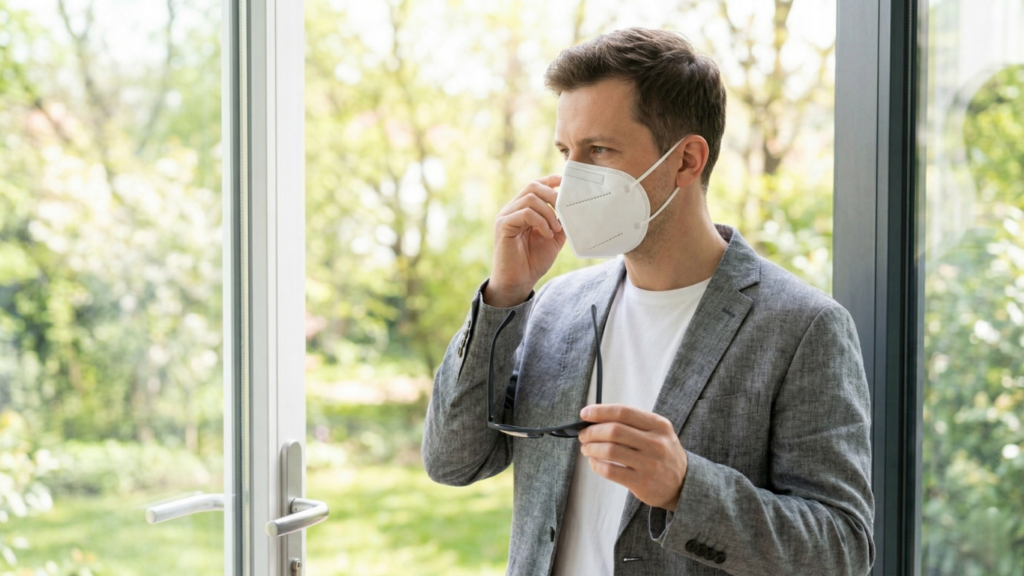
Small adjustments like these can reduce how much pollen you come into contact with during the day.
Keep Windows Closed During High Pollen Hours
It may feel natural to open windows as the weather improves, yet this can allow pollen to enter indoor spaces quite easily. Once inside, pollen settles on surfaces and fabrics, which may keep symptoms going for longer than expected.
Keeping windows shut during high pollen periods, particularly mid-morning and early evening, can help limit this. In cars, using air conditioning with a clean filter rather than open windows may reduce exposure while travelling.
Shower and Change Clothes After Being Outdoors
Pollen particles tend to cling to hair, skin and clothing without being noticed. By the time you return indoors, you may be carrying a layer of allergens that continues to trigger symptoms.
Showering and changing clothes shortly after being outside can help remove these particles. This step becomes more relevant in the evening, as pollen left on the body or bedding can disrupt sleep and worsen night-time symptoms.
Use a High-Quality Air Purifier at Home
Air purifiers with HEPA filters are designed to capture very small particles, including pollen. While they do not remove all allergens, they can reduce the amount circulating indoors, particularly in bedrooms.
Positioning a purifier in the room where you spend the most time may provide the most noticeable benefit. It is worth checking that filters are replaced as recommended, since performance tends to drop if they become clogged.
Clean and Vacuum Regularly to Reduce Indoor Allergens
Pollen that enters the home can settle quickly on floors, furniture and soft furnishings. Regular cleaning helps reduce build-up and limits repeated exposure.
A simple routine might include:
- Using a vacuum with a HEPA filter
- Damp dusting surfaces rather than dry wiping
- Washing bedding at 60°C once a week
- Cleaning curtains, cushions and upholstery
Keeping on top of these tasks can help maintain a more comfortable indoor environment during peak season.
Start Antihistamines Before Symptoms Peak
Hay fever symptoms are linked to the release of histamine, which is part of the body’s immune response to allergens. Antihistamines work by blocking this response, which may reduce sneezing, itching and a runny nose.
Some antihistamines can cause drowsiness, while others are labelled as non-drowsy and may be more suitable for daytime use. Reading the patient information leaflet helps you understand how to take them correctly and what to expect. Non-drowsy options such as fexofenadine tablets for hayfever may be suitable for some adults, depending on individual circumstances.
If you are unsure which option might suit you, WePrescribe offers access to a short online consultation, so you can get guidance based on your symptoms and medical history, rather than guessing.
Use a Steroid Nasal Spray Correctly and Consistently
Steroid nasal sprays work by reducing inflammation inside the nasal passages. They are usually used daily during allergy season rather than only when symptoms appear.

It can take a few days before the full effect becomes noticeable, so consistent use is key. Aiming the spray slightly away from the centre of the nose and avoiding sniffing too hard afterwards can improve how well it works. Following the instructions provided with the product helps maintain safe and effective use.
Try Saline Nasal Rinses to Flush Out Pollen
Saline nasal rinses use a simple saltwater solution to wash pollen out of the nasal passages. This approach does not involve medication and works by physically removing allergens.
Used once or twice a day, especially after being outdoors, rinses may help reduce irritation and congestion. Clean equipment and proper preparation are important to avoid introducing bacteria.
Dry Laundry Indoors During High Pollen Days
Clothes and bedding dried outside can collect pollen without it being visible. Bringing them indoors then introduces allergens directly into living spaces.
Drying laundry indoors during high pollen days can help limit this. If outdoor drying is preferred, choosing times when pollen counts are lower may reduce exposure.
Avoid Cutting Grass or Spending Time on Freshly Mown Lawns
Grass pollen is a common trigger during late spring and early summer. Activities such as mowing the lawn can release large amounts into the air within a short space of time.
Avoiding freshly cut grass or asking someone else to mow can help reduce exposure. When spending time outdoors, wearing sunglasses may help protect the eyes from airborne pollen.
Strengthen Your Immune Response with Healthy Habits
General health plays a role in how the body responds to allergens. While lifestyle changes do not prevent hay fever, they may support overall resilience.
Helpful habits include:
- Getting enough sleep each night
- Eating a balanced diet with a range of nutrients
- Staying well hydrated
- Managing stress levels where possible
These steps support general wellbeing, which can be useful during allergy season when symptoms may already feel draining.
Hayfever can vary from mild irritation to more persistent symptoms across the season. Building a routine that combines practical steps with appropriate treatment can help keep symptoms manageable.
For more practical advice on coping with hayfever season, you can explore our detailed guide online. If symptoms still feel difficult to manage, at WePrescribe, we can provide access to a convenient consultation, which, for busy people, is often a simpler way to get tailored advice without needing to visit a pharmacy in person.