


Planning a wedding, holiday, or important presentation can feel demanding already, and your period timing can add another layer to think about. Many people try to plan for a big event without factoring in their cycle, yet it can shape comfort, energy, and focus on the day.
Cycles vary from person to person, which means symptoms can look a little different each month. With a bit of forward planning, it becomes easier to reduce uncertainty and feel more prepared when it matters most.
If you want a clearer idea of what to expect, services like WePrescribe can offer access to an online consultation, which in a way, helps you understand your cycle and plan ahead with more confidence.
Track Your Cycle Accurately in the Months Leading Up to the Event
Start by building a clear picture of your cycle over time. An app or simple calendar can help you track when your period begins and ends, alongside any symptoms you notice.
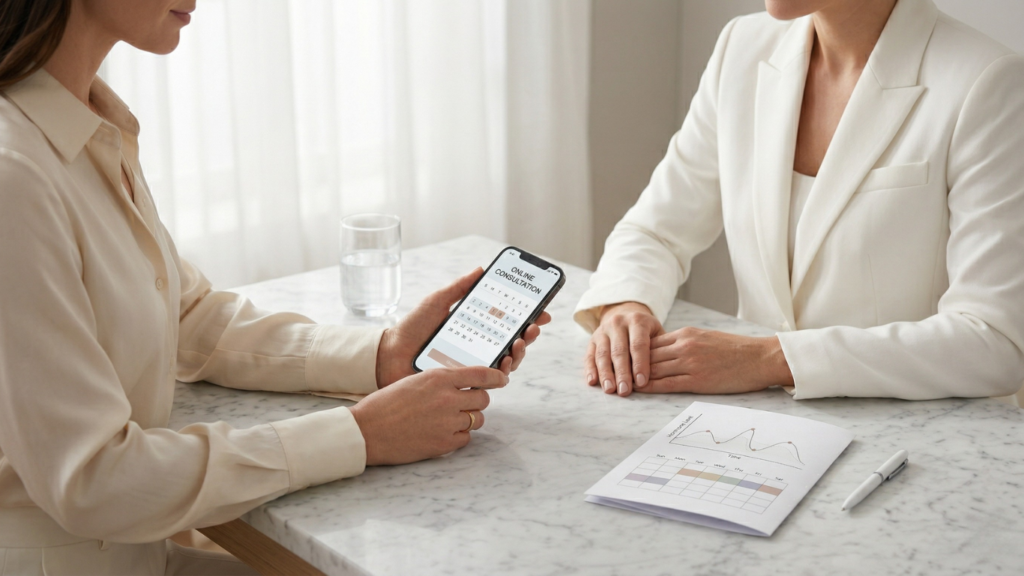
Logging changes in mood, sleep, or discomfort can highlight patterns that are easy to miss otherwise. Cycle length may shift slightly from month to month, which is usually normal. Noticing these variations can help you estimate timing more confidently when planning.
Understand When You Are Likely to Ovulate
Ovulation usually happens around the middle of your cycle, though timing can differ between individuals. In simple terms, the first half of the cycle leads up to ovulation, while the second half follows it.
Hormone levels rise and fall across these phases, which can influence how you feel physically and mentally. Some people notice more stable energy before ovulation, while the days leading up to a period can bring changes in mood or comfort.
You do not need to track this in detail, yet having a rough idea of where ovulation sits can help you anticipate when symptoms might appear.
Plan Important Activities Around Your Energy Levels
Energy levels can shift across the month, and planning around this can make a noticeable difference. Many people feel more energised around the middle of their cycle, which may suit demanding tasks or social events.
Closer to the late luteal phase, just before a period, some people notice lower energy or increased sensitivity. In that case, it can help to keep schedules slightly lighter or allow extra time for rest.
This approach is not about strict rules; it is more about working with your body rather than pushing against it. Even small adjustments can help you manage PMS symptoms more comfortably.
Adjust Travel Arrangements with Your Cycle in Mind
If your event involves travel, it helps to think ahead about practical details. Packing enough sanitary products for the full trip avoids last-minute stress, especially if your timing shifts slightly.
Airports and long journeys can feel more challenging during your period. Planning access to facilities, staying hydrated, and wearing comfortable clothing can all make the experience easier.
For those thinking about a period before holiday travel, a little preparation can reduce disruption and help you focus on enjoying the trip.
Prepare a Discreet Period Kit for the Day
Having a small kit ready can make things feel more manageable if your period arrives unexpectedly or starts earlier than expected.
You might include:
- Your preferred sanitary products
- Pain relief you have used safely before
- Spare underwear
- Intimate wipes
- Small disposal bags
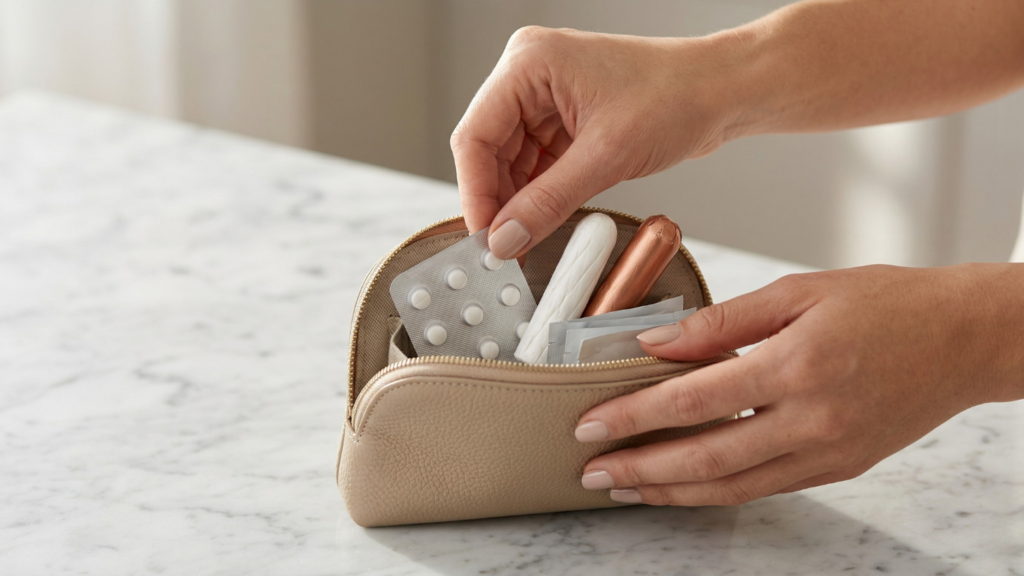
Keeping this in your bag or nearby gives reassurance, especially during longer events.
Manage Bloating and Water Retention in Advance
Bloating can feel uncomfortable, particularly when you want to feel your best. Some people find that reducing excess salt in the days before an event may help limit fluid retention.
Staying hydrated can also support normal body balance, while gentle movement such as walking or stretching may ease discomfort. These steps are simple, yet they can make a noticeable difference for some people.
It is worth avoiding quick-fix or detox claims, as these are not supported by strong evidence and may not give consistent results.
Support Your Body with the Right Nutrition
Eating regular, balanced meals can help maintain steady energy levels across your cycle. Including a mix of carbohydrates, protein, and healthy fats supports overall well-being.
If you tend to have heavier periods, iron-rich foods such as leafy greens or lean meats may be helpful as part of a balanced diet. Keeping blood sugar levels steady can also reduce dips in energy or mood.
No single food can control menstrual cycles directly, so it is better to focus on consistent habits rather than quick solutions.
Prioritise Sleep in the Week Before the Event
Sleep plays a role in how the body manages stress and hormone changes. In the days leading up to your event, getting enough rest can support both physical comfort and mental focus.
A consistent sleep routine, even if it is just going to bed at a similar time each night, may help you feel more balanced. Small improvements in sleep can make a noticeable difference to how you cope with symptoms.
Reduce Stress to Help Minimise Hormonal Fluctuations
Stress can interact with hormonal patterns, although it is not the only factor that affects your cycle. Finding simple ways to unwind can still be helpful in the lead-up to an important day.
Light exercise, breathing exercises, or short breaks during busy periods can support overall well-being. The aim is not to remove stress completely, which is rarely realistic, but to keep it at a manageable level.
Use Pain Relief Safely and Effectively if Needed
For those who experience discomfort, over-the-counter pain relief such as ibuprofen may help reduce period pain. It is important to follow the instructions on the packaging and avoid exceeding recommended doses.
Pain relief tends to work best when taken early, rather than waiting until discomfort becomes more intense. If pain is severe, persistent, or affecting daily life, speaking with a healthcare professional is advisable.
If you are unsure which approach might suit you, especially if symptoms vary from month to month, WePrescribe can offer access to an online consultation, so you can get guidance that feels a bit more tailored rather than relying on trial and error.
Consider Hormonal Contraception to Delay or Control Bleeding
Some people consider hormonal contraception options if they want to control their menstrual cycle around an important event. In certain cases, this may allow bleeding to be delayed or adjusted, although outcomes can vary between individuals.
Suitability depends on your medical history, which means a proper consultation is always required. These options are not appropriate for everyone and should not be used without guidance.
If you are exploring this route, looking into contraception services can help you understand what may be suitable based on your circumstances.
In some cases, period delay tablets may be prescribed following a consultation to temporarily postpone bleeding, although this does not work in exactly the same way for everyone.
Services like WePrescribe usually involve a structured review, which in a way helps make sure any option considered is safe and appropriate for you.
Planning ahead can make a real difference when managing your cycle around important moments. If you want to explore this further, you can read more about how to delay your period safely to understand what to expect and when to seek advice.