

Exercise plays a key role in maintaining a healthy lifestyle, but it’s not a treatment or a guarantee of weight loss.
It works best as part of balanced habits that include good nutrition and regular rest. Some people prefer low-impact exercises, while others enjoy cardio workouts or strength-based routines.
The best approach is usually the one you can keep up with. Here are some practical exercises and weight loss ideas to explore.
Walking
Walking is one of the easiest and most approachable ways to get moving. It’s often the first step for people looking to improve their fitness, and because it’s a low-impact exercise, it’s gentle on the joints. You don’t need any equipment beyond comfortable shoes, and it can fit naturally into even the busiest day.
To make walking a bit more effective, try increasing your pace until you feel slightly out of breath but can still talk. You could also extend your route, explore hillier paths, or use a treadmill with an incline for a steady challenge.
Consistency matters more than speed, though. Whether it’s a short lunchtime stroll or a weekend hike, regular walking can support long-term wellbeing and help build a lasting routine around gentle movement.
Running and Jogging
If you enjoy a slightly faster pace, running or jogging can be a rewarding way to support overall fitness. These cardio workouts help strengthen the heart and lungs while encouraging steady energy use throughout the body. It’s best to start slowly, alternating between gentle jogging and brisk walking until you feel comfortable building distance and speed.
Good footwear makes a big difference, too. Supportive running shoes can reduce strain and make each step feel lighter. Try setting small goals, like jogging for a few minutes longer each week, to keep motivation up.
Many people find that running offers a mental boost as much as a physical one, helping to clear the mind and release tension after a busy day. It’s a simple, time-efficient way to stay active.
Cycling
Cycling is another great choice for those who prefer a joint-friendly way to stay active. It can be done indoors on a stationary bike or outdoors on a scenic route, making it easy to adapt to different schedules and seasons. One of the main cycling workout benefits is how it builds leg strength while supporting cardiovascular health.
Start at a comfortable pace and gradually add resistance or distance to keep things interesting. You might enjoy joining a local group ride or using a fitness app to track your progress.
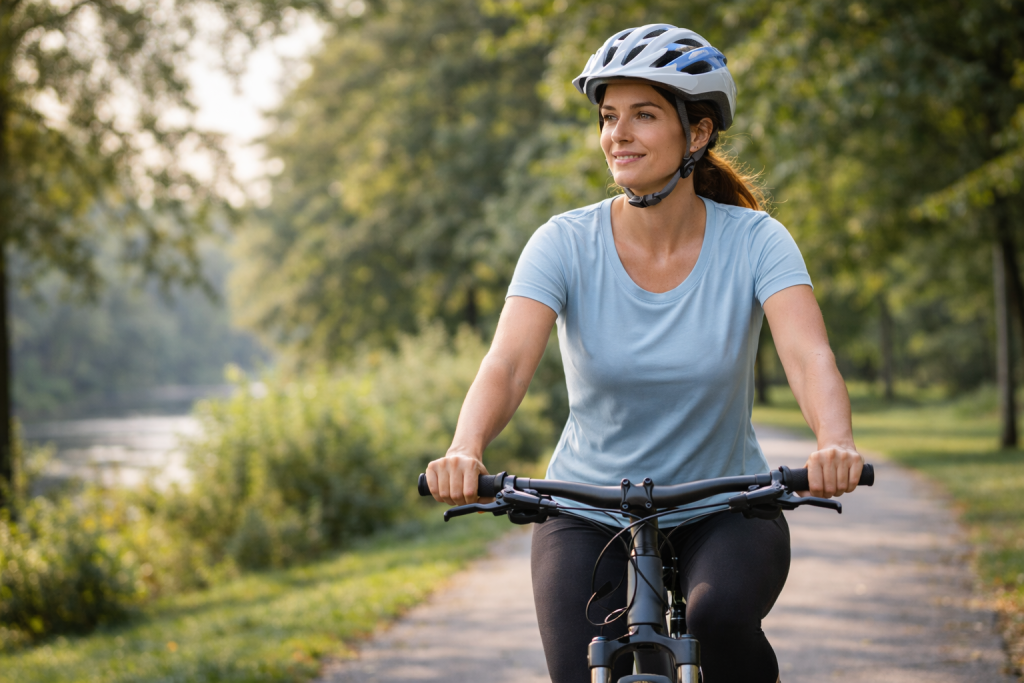
Because it’s both practical and enjoyable, cycling can easily become part of your weekly routine. Commuting by bike or taking a relaxed weekend ride can make staying active feel less like exercise and more like an everyday habit.
Swimming
Swimming is one of the few activities that works almost every major muscle group at once while staying kind to the joints. It’s often recommended for people looking for low-impact exercises that still offer a full-body challenge. Each stroke helps improve stamina, coordination, and flexibility without placing pressure on knees or ankles.
You can start with gentle laps at your own pace, then gradually increase distance or try different strokes to keep things varied. Using swimming aids such as kickboards or pull buoys can also make sessions more engaging.
For many, the water feels calming too, which makes swimming a good way to unwind while staying active. It’s as much about relaxation as it is about fitness, supporting both physical and mental well-being.
Strength Training
Building muscle isn’t just about lifting heavy weights. Strength training for weight loss works by supporting the body’s natural energy use, even when you’re resting. When you develop lean muscle, your body tends to use more energy throughout the day, which can complement other activities like walking or cycling.
You don’t need a gym membership to start. Bodyweight exercises such as squats, lunges, and push-ups can be effective at home. Resistance bands or light dumbbells can add variety if you want a bit more challenge.
The key is consistency and balance. Try training two or three times a week, focusing on different muscle groups each session. Over time, you may notice improvements in strength, posture, and confidence. It’s less about perfection and more about building a steady routine that fits comfortably into everyday life.
High Intensity Interval Training (HIIT)
If you’re short on time, HIIT workout ideas can make exercise feel more manageable. This approach mixes short bursts of effort with brief rest periods, helping to keep your heart rate up and your sessions efficient. For example, you could alternate 30 seconds of jumping jacks or brisk step-ups with 30 seconds of light movement or rest.
The beauty of HIIT is its flexibility. You can use bodyweight exercises at home, combine it with cycling or running, or follow online routines that fit your fitness level. Start gently and allow rest between sets while paying attention to form.
These shorter, varied sessions can help improve endurance and energy levels. Many people also find that the quick pace keeps things interesting, making it easier to stay motivated over time.
Pilates and Yoga
Pilates and yoga may seem gentle, but both can play a strong role in supporting overall well-being. They help improve flexibility, core strength, and balance, which can make other activities, such as running for fitness or cycling, feel easier. Beyond the physical benefits, these sessions often encourage better breathing and mindfulness, which can reduce everyday stress.
If you’re new, beginner classes or short online videos are a simple way to start. You don’t need special equipment beyond a mat and some space to move. Over time, many people notice improvements in posture and focus, along with a sense of calm after each session.
Pilates and yoga are as much about consistency as movement. They remind us that progress often comes from steady, mindful effort rather than intensity alone.
There isn’t one perfect plan for everyone. The best approach is to choose activities you actually enjoy, as this makes it easier to stay consistent. Whether it’s swimming, cycling, or strength training for weight loss, variety helps keep things fresh and prevents boredom.
Try mixing gentle sessions like yoga or walking with more energetic cardio workouts when you can. The real goal is finding movement that fits into your daily life without feeling like a chore.
If you wish to contact us for guidance, visit WePrescribe for trusted, supportive information.