


Urinary discomfort can develop for many reasons. Some people notice irritation after certain foods or drinks, while others experience symptoms during stressful periods, after changes in routine or following sexual activity.
Lifestyle habits can influence how comfortable or irritated the bladder feels, although they cannot replace medical assessment or treatment where needed. Understanding potential triggers may help people recognise patterns, reduce irritation and decide when professional advice may be appropriate.
Hydration Habits And Their Effect On Bladder Irritation
Staying well hydrated can help dilute urine, which may reduce irritation in the bladder and improve comfort.
Concentrated urine may increase stinging, urgency or bladder sensitivity for some people. This can become more noticeable during hot weather, exercise or long periods without fluids.
Drinking water steadily throughout the day is usually more comfortable than consuming large amounts at once. Excessive fluid intake may increase urinary frequency and create additional discomfort.
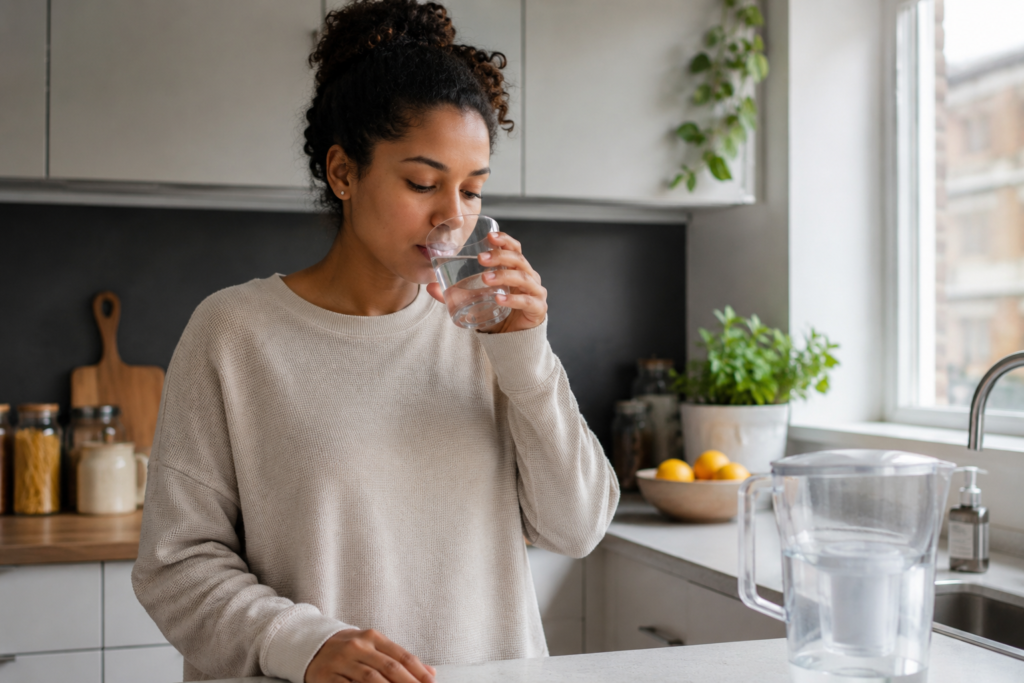
Some people notice symptoms worsen after dehydration, alcohol or several caffeinated drinks. Water is generally the least irritating option during periods of urinary discomfort.
Sipping fluids regularly throughout the day may feel more manageable than drinking large amounts at once, particularly when urgency or bladder pressure is already present.
Dietary Choices That May Improve Or Disrupt Urinary Comfort
Certain foods can irritate the bladder, while others may feel gentler and help reduce discomfort.
Some people notice increased urinary sensitivity after consuming spicy foods, citrus fruits, tomato-based meals or artificial sweeteners. Symptoms may include urgency, bladder pressure or mild burning sensations.
Bladder sensitivity varies between individuals, and not everyone reacts to the same foods. Irritation can also become more noticeable when symptoms are already present.
Food does not directly treat or prevent urinary tract infections, and dietary changes should not replace medical advice where symptoms continue.
Keeping a short symptom diary may help identify patterns between meals, drinks and flare-ups without unnecessarily restricting foods.
Caffeine Alcohol And Fizzy Drinks As Potential Triggers
Caffeine, alcohol and fizzy drinks can irritate the bladder and may worsen urinary symptoms for some people.
Caffeine may increase urgency or frequency by stimulating the bladder. Coffee, energy drinks and certain teas are common triggers. Alcohol can contribute to dehydration, which may make urine feel more irritating.
Carbonated drinks may also increase bladder sensitivity, particularly during periods of existing discomfort.
Some people notice symptoms becoming more disruptive after multiple coffees during busy workdays or after alcohol consumption in the evening, particularly if hydration has been poor throughout the day.
Reactions vary between individuals. Some people notice symptoms after one drink, while others experience irritation only after larger amounts.
Reducing intake gradually and monitoring symptoms may help identify whether certain drinks are linked to flare-ups or increased discomfort.
Hygiene Routines That Support Urinary Health
Gentle hygiene habits can help reduce irritation and support urinary comfort.
The skin around the urinary area can become sensitive to heavily fragranced products, including scented soaps, wipes and bubble baths. For some people, these products may increase irritation or discomfort.
Using fragrance-free products may feel gentler when symptoms are present. Wearing clean underwear daily and changing out of damp clothing promptly may also improve comfort.
After using the toilet, wiping from front to back is commonly recommended to reduce the spread of bacteria from the bowel area.
Excessive washing or scrubbing can sometimes worsen irritation by affecting sensitive skin.
Clothing Choices And Their Impact On Daily Comfort
Tight or non-breathable clothing can trap moisture and increase irritation, affecting urinary comfort.
Very tight trousers, synthetic fabrics and non-breathable underwear may create friction or retain heat around sensitive skin. This can feel particularly uncomfortable during warmer weather, exercise or long periods of sitting.
Some people notice increased irritation after wearing tight gym clothing for extended periods after exercise.
Breathable fabrics such as cotton may feel more comfortable when urinary symptoms or skin sensitivity are present.
Clothing choices do not treat infections or underlying bladder conditions, although reducing friction and trapped moisture may improve day-to-day comfort.
Sexual Activity And Its Link To Urinary Symptoms
Sexual activity can sometimes be linked to urinary discomfort, particularly if irritation develops afterwards.
Some people experience temporary sensitivity, bladder pressure or irritation following sex. Friction, skin sensitivity and surrounding tissue irritation can all contribute to discomfort.
Urinating after sexual activity is commonly advised as part of general hygiene practice, although it does not guarantee that infections will be avoided.
Symptoms which repeatedly appear after sex, become painful or continue beyond a short period should not be ignored. Persistent discomfort may require medical assessment to rule out infection or another underlying cause.
Fragranced lubricants, washes or condoms may also contribute to irritation in some individuals. Identifying whether symptoms appear after specific products may help narrow down potential triggers.
Stress And Routine Changes That May Affect Bladder Sensitivity
Stress and changes in routine can influence bladder sensitivity and may worsen urinary discomfort.
Stress affects the body in several ways. Some people drink more caffeine, sleep poorly or become dehydrated during demanding periods. Muscle tension may also contribute to feelings of pelvic discomfort or bladder pressure.
Travel, shift work and disrupted routines can affect bathroom habits and fluid intake as well. Some people also delay toilet breaks during busy workdays or long journeys, which may make discomfort feel more noticeable.
Symptoms may feel more noticeable during emotionally or physically demanding periods, even where no infection is present.
Regular hydration, consistent routines and adequate rest may help support overall comfort during stressful periods. Recognising stress-related patterns may also help people understand why symptoms appear more noticeable at certain times.
When Lifestyle Changes May Not Be Enough
If symptoms persist or worsen, lifestyle changes alone may not be enough and medical advice may be needed.
Bladder irritation and urinary tract infections can share similar symptoms, particularly in the early stages. Burning, urgency, pressure and discomfort may occur with both irritation and infection.
Lifestyle adjustments may support comfort, but they cannot diagnose or treat an underlying medical condition.
Medical assessment becomes increasingly important if symptoms:
- Continue despite lifestyle changes
- Become more painful
- Return frequently
- Affect sleep or normal daily activities
- Develop alongside additional symptoms such as fever
Persistent urinary symptoms should not be managed indefinitely through self-care measures alone.
A consultation can assess whether symptoms may relate to infection, cystitis, bladder sensitivity or another condition requiring further investigation.
When To Seek Medical Advice
You should seek medical advice if urinary symptoms are severe, persistent or worsening.
Medical assessment is important if you experience:
- Pain or burning during urination
- Blood in the urine
- Fever or chills
- Lower back or side pain
- Difficulty passing urine
- Symptoms returning regularly
- Urinary discomfort lasting more than a short period
Recurring symptoms can have several possible causes, and self-diagnosis is not always reliable.
If symptoms continue or you are unsure what may be causing discomfort, support may be available. You can also speak to a clinician to discuss symptoms, appropriate next steps and whether further assessment may be suitable.