


Hay fever can feel significantly worse in some years because pollen levels, weather patterns, pollution and environmental conditions change from season to season.
Many people notice their symptoms seem manageable one year, then far more disruptive the next. Increased sneezing, itchy eyes, nasal congestion and fatigue can appear despite using the same preventative measures and treatments.
The main reasons usually include higher pollen counts, warm dry weather, air pollution, longer pollen seasons and changes in personal sensitivity to allergens.
The reason is rarely down to a single factor. Pollen production varies between seasons, weather influences how pollen spreads, and individual sensitivity can change over time. Understanding these influences can help explain why symptoms fluctuate and what steps may help reduce their impact.
Changes in Pollen Levels From Year to Year
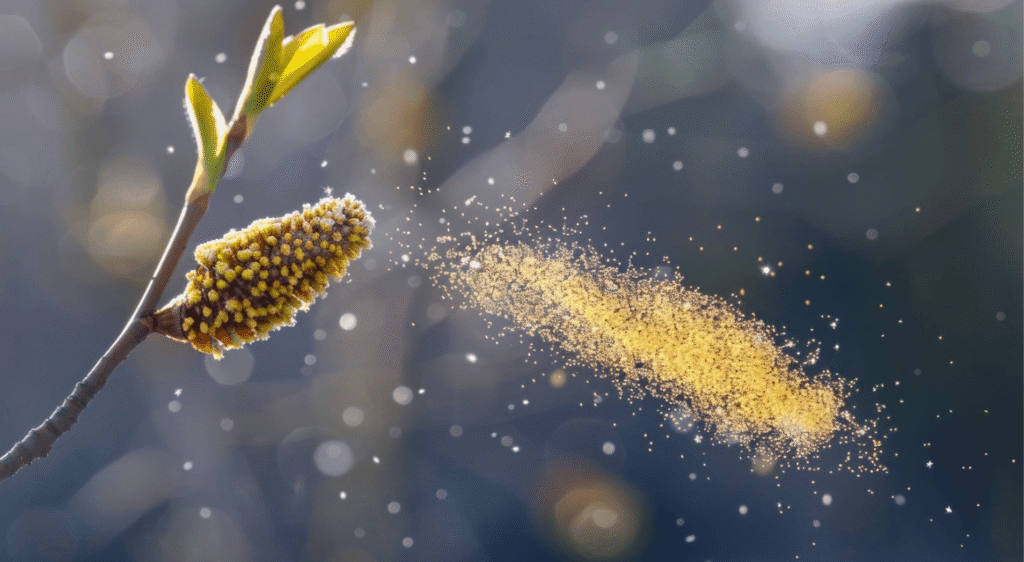
The amount of pollen released each year can differ considerably depending on weather and growing conditions.
Plants produce varying amounts of pollen based on factors such as temperature, rainfall and seasonal conditions. When conditions support strong growth, pollen production can increase significantly.
Different pollen types appear throughout the year, including tree pollen in spring, grass pollen in late spring and summer, and weed pollen later in the season. Higher-than-average pollen production can lead to increased exposure, making hay fever symptoms feel much worse than in previous years.
How Weather Conditions Affect Hay Fever Symptoms
Weather plays a major role in determining how much pollen remains airborne and how easily it spreads.
Warm weather encourages plants to release more pollen, which can increase exposure. Rain may temporarily reduce airborne pollen, although periods of rain followed by sunshine can encourage further plant growth. Humidity also affects how pollen behaves in the atmosphere and may increase irritation for some people.
If symptoms become difficult to manage during allergy season, learning more about available hay fever treatment options may help you understand the support available.
Longer Pollen Seasons Across the UK
Many experts believe pollen seasons are becoming longer in parts of the UK.
In the UK, grass pollen season often peaks between May and July, although warmer spring weather can shift this earlier. Regional differences also matter, with urban pollution and local planting patterns influencing how severe symptoms feel in different parts of the country.
Some regions are experiencing earlier spring temperatures and milder autumn conditions. These environmental changes can extend the growing season for certain plants.
Earlier pollen release means allergy sufferers may begin experiencing symptoms weeks sooner than expected. Later seasonal activity can also prolong exposure into autumn.
A longer allergy season increases cumulative pollen exposure across the year, which may contribute to more severe or prolonged symptoms.
Why Windy and Dry Conditions Can Make Hay Fever Worse
Dry, windy conditions help pollen travel further and remain airborne for longer.
Wind can carry pollen across large distances, increasing exposure even when local pollen sources are limited. Dry weather also prevents pollen from settling, allowing particles to circulate throughout the day.
To reduce exposure during high pollen periods:
- Check daily pollen forecasts
- Keep windows closed when possible
- Shower after spending time outdoors
- Dry clothes indoors
You can also read our guide on how to manage hayfever during sudden pollen spikes.
Air Pollution and Its Impact on Hay Fever Symptoms
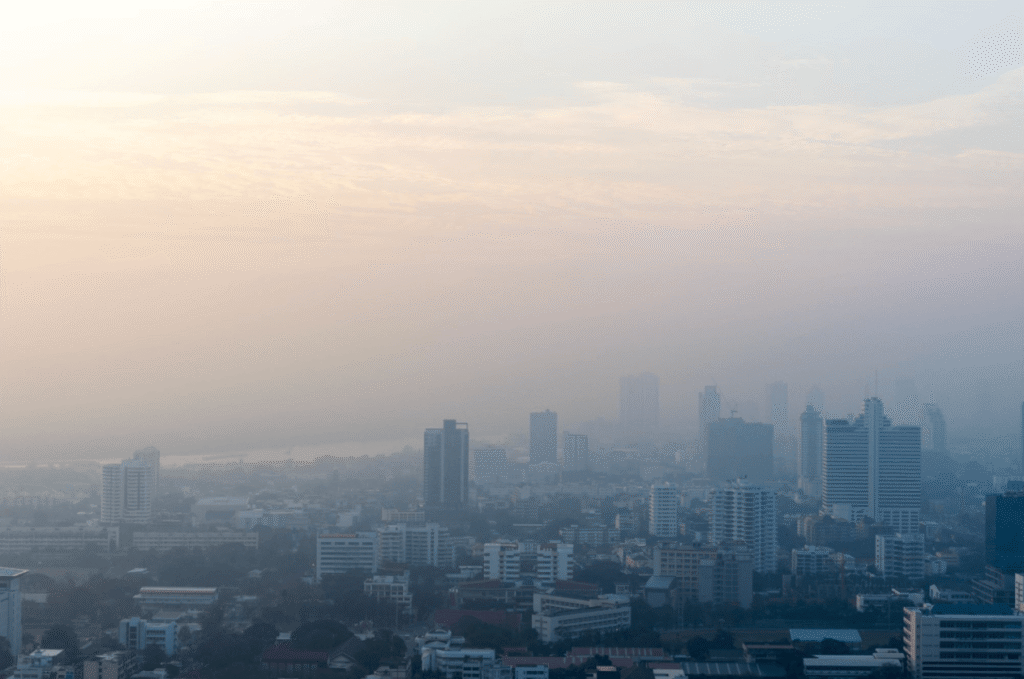
Pollution can irritate airways and may make allergy symptoms feel more severe.
People living in urban areas are exposed to both pollen and airborne pollutants. Traffic emissions can increase irritation of the nose, throat and eyes, particularly during periods of high pollen activity.
For some individuals, pollen and pollution create a combined effect, leading to increased congestion, sneezing and discomfort. This may help explain why hay fever symptoms feel worse in certain locations or during particular seasons, even when pollen counts are not exceptionally high.
How Different Types of Pollen Affect People Differently
Not everyone reacts to the same pollen types, which is why symptoms vary between individuals.
Some people experience symptoms primarily during tree pollen season, while others react more strongly to grass or weed pollen.
Grass pollen is responsible for a large proportion of hay fever cases in the UK. However, individual sensitivities vary considerably.
A season dominated by the specific pollen type you react to may feel substantially worse than previous years, even when overall pollen counts appear similar.
Why Some People Become More Sensitive to Hay Fever Over Time
Allergy responses can change throughout life, causing symptoms to feel more severe than before.
The immune system evolves over time. As a result, sensitivity to allergens may increase or decrease.
Repeated seasonal exposure may also influence how the body responds to pollen. Some people notice worsening hay fever during adulthood despite experiencing mild symptoms earlier in life.
Changes in location, occupation or daily routines can also increase exposure levels, contributing to stronger reactions during allergy season.
The Impact of Climate Change on Seasonal Allergies
Changing environmental conditions may be influencing allergy seasons in many regions.
Research continues to examine how climate patterns affect pollen production and plant behaviour. Some evidence suggests warmer temperatures and longer growing seasons may contribute to extended pollen exposure in certain areas.
Warmer winters and earlier springs may allow some plants to flower sooner, while higher carbon dioxide levels may increase pollen production in certain species. This can extend exposure for allergy sufferers in some years.
Environmental conditions vary across the UK, and the impact differs between regions and plant species.
While climate change is unlikely to explain every difficult allergy season, it may form part of a wider combination of factors affecting pollen levels and exposure.
How Lifestyle and Outdoor Habits Can Affect Hay Fever
Daily routines and outdoor exposure can affect how much pollen you encounter.
Activities such as gardening, outdoor exercise and commuting during high pollen periods can increase contact with airborne allergens. Even small changes in routine may influence symptom severity.
To help reduce exposure:
- Check pollen forecasts before spending time outdoors
- Change clothes after outdoor activities
- Keep car windows closed during high pollen days
- Consider exercising when pollen counts are lower
These measures may help limit pollen exposure throughout allergy season.
Managing Severe Hay Fever Symptoms With Prescription Treatment
If symptoms become difficult to manage, additional treatment options may be considered following appropriate assessment.
While many people control hay fever with avoidance measures and over-the-counter remedies, persistent symptoms can affect daily life. In these cases, healthcare professionals may recommend alternative treatment approaches based on individual needs.
Responses to treatment vary between individuals. If your symptoms are becoming increasingly difficult to control, you can contact us to learn more about available assessment and treatment options.
Hay fever symptoms can feel worse in some years due to changes in pollen levels, weather conditions, pollution, seasonal length and individual sensitivity.
A particularly high pollen season combined with environmental triggers may lead to more severe symptoms than you have experienced previously. Understanding these factors can help explain yearly fluctuations and support better symptom management.
If hay fever is having a significant impact on your daily life, professional advice may help you explore suitable treatment options and improve symptom control.