

Male hair loss is something a lot of men quietly deal with, often for years, before looking into treatment options. Thinning hair or a receding hairline can feel frustrating, yet the range of available treatments can be just as confusing.
Some options are available without a prescription, while others require medical input, and each works in a slightly different way.
This guide breaks down the most commonly used male hair loss treatments, explaining how they work, what to expect, and how they differ. There is no single best male hair loss treatment for everyone, which is why understanding the options tends to matter more than chasing quick answers.
Medical advice is always recommended before starting treatment, especially when prescription medicines are involved.
Minoxidil
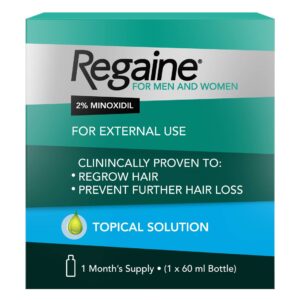
Minoxidil is one of the most widely used treatments for male hair thinning. It works by increasing blood flow to hair follicles, which may help prolong the growth phase of the hair cycle. Over time, this can support thicker, stronger-looking hair for some users.
It is usually applied directly to the scalp as a topical solution or foam and is available over the counter. This accessibility makes it a common starting point for men who notice early thinning or want a non-prescription option.
Results vary, and consistency plays a big role. Minoxidil needs to be applied daily, often for several months, before any visible change appears. If treatment stops, any maintained hair growth typically fades gradually. For that reason, it tends to suit people who are comfortable with long-term use rather than short trials.
Finasteride (Prescription Oral Treatment)
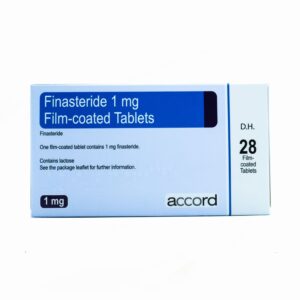
Finasteride is a prescription-only oral treatment used to address male pattern hair loss at a hormonal level. It works by reducing the conversion of testosterone into dihydrotestosterone (DHT), the hormone strongly linked to follicle miniaturisation in genetically susceptible men.
By lowering DHT levels, finasteride can slow hair loss and, in some cases, support regrowth, particularly around the crown and mid-scalp. It does not work instantly, and benefits usually appear gradually over several months of consistent use.
Because it affects hormone pathways, finasteride is only available after medical assessment. Some users experience side effects, which is why a proper consultation matters. A clinician can help weigh potential benefits against individual health factors, rather than treating it as a one-size option.
Generic Finasteride
Generic finasteride contains the same active ingredient as branded versions and works in the same way. The difference lies in branding and cost rather than effectiveness. For many men, generic options offer a more affordable route while delivering comparable results.
Like branded versions, generic finasteride is only available after a consultation. This allows a healthcare professional to check suitability, discuss possible side effects, and confirm that hair loss pattern and expectations align with the treatment.
Choosing between branded and generic often comes down to personal preference, availability, and ongoing cost, rather than differences in how the medicine performs.
Combination Hair Loss Treatments
Combining treatments is a common approach in male hair loss care, particularly when thinning is more established. The most typical combination involves using topical minoxidil alongside oral finasteride.
This approach targets hair loss from two angles:
- Minoxidil supports follicle activity at the scalp
- Finasteride reduces DHT-related follicle shrinkage
Potential benefits include:
- Broader coverage of hair loss mechanisms
- Improved outcomes for some users
Possible downsides include:
- Greater commitment to daily routines
- Increased likelihood of side effects from oral treatment
Combination approaches tend to suit men with ongoing or progressive hair loss and are usually best managed with professional input rather than trial and error.
Prescription vs Over-the-Counter Options
Choosing between prescription and non-prescription treatments often depends on hair loss severity, personal preference, and medical history.
| Feature | Over-the-counter options | Prescription treatments |
| Accessibility | Available without consultation | Requires medical review |
| Strength of action | Acts locally on follicles | Acts on hormonal pathways |
| Side effect considerations | Generally mild | Requires discussion and monitoring |
| Ongoing cost | Often lower initially | Can vary depending on plan |
| Professional input | Optional | Required |
A professional review helps match the option to the individual, rather than selecting based on popularity alone.
Topical vs Oral Hair Loss Treatments
Topical treatments, such as minoxidil, are applied directly to the scalp and work locally. They avoid systemic hormone changes, which some men prefer, although daily application can feel inconvenient.
Oral treatments like finasteride act throughout the body by influencing hormone conversion. This can make them effective for pattern hair loss, yet they require careful consideration due to their wider effects.
Lifestyle, comfort with medication, and long-term commitment often influence which format feels more manageable.
Expected Results and Treatment Timelines
Hair growth follows slow biological cycles, which means patience tends to be part of the process. With topical minoxidil, visible changes often take three to six months, and shedding can temporarily increase early on.
Prescription treatments usually require even longer-term use before results become noticeable. Improvements tend to stabilise hair loss first, rather than immediately restoring density.
Consistency matters more than speed, and stopping treatment often leads to a gradual loss of any maintained progress.
Choosing the Right Hair Loss Treatment for You
Not every treatment suits every person. Age, pattern of hair loss, overall health, and expectations all influence which option makes sense. What works well for one man may not be appropriate for another.
This is where consultation-led care becomes useful. Through WePrescribe, pharmacists are available to talk through symptoms, explain treatment differences, and help users understand which options align with their situation, without pressure or assumptions.
If you are exploring hair loss support, an online consultation offers a discreet way to review options and ask questions. If you would like more information about the process, you can also contact us to speak with the team and take things from there.