


Migraines may significantly affect productivity, social activities and quality of life.
The impact extends beyond head pain, with many people finding they need to pause their normal routine until symptoms improve.
Work
A migraine attack can make it difficult to concentrate, attend meetings or spend long periods looking at a computer screen. Light sensitivity, nausea and throbbing pain may reduce productivity or make it necessary to take time away from work. For people who experience frequent migraine attacks, unpredictable absences can also add emotional stress alongside the physical symptoms.
Travel
Travelling with a migraine can be particularly challenging. Bright sunlight, busy transport hubs, strong smells or long journeys may worsen symptoms for some people. If a migraine develops while travelling, finding a quiet place to rest or access suitable medication may not always be straightforward, especially when away from home.
Family Life
Migraines can interrupt family routines, social plans and important occasions. Parents may find it harder to care for young children during an attack, while household responsibilities can become difficult to manage. Some people also avoid making plans if they are concerned a migraine could develop unexpectedly.
If migraine attacks are becoming more frequent or are limiting your ability to work, travel or enjoy everyday activities, it may be worth seeking professional advice.
A healthcare professional can assess your symptoms, discuss suitable management options and help determine whether further investigation or treatment may be appropriate.
How Head Pain Differs Between Headaches and Migraines

The location, intensity and nature of pain can differ between headaches and migraines. Although symptoms vary between individuals, recognising these differences can help you describe your symptoms during a healthcare consultation.
| Headache | Migraine |
| Usually mild to moderate pain | Commonly moderate to severe pain |
| Pressure or tightness | Throbbing or pulsating pain |
| Frequently affects both sides of the head | Commonly affects one side, although both sides can be involved |
| Fewer associated symptoms | May include nausea, light sensitivity and visual disturbances |
Pain severity alone does not determine whether someone is experiencing a migraine. The presence of additional neurological symptoms and the impact on daily life are also important considerations, and a healthcare professional can assess persistent or recurring symptoms.
The Difference in Symptom Severity
Migraines frequently have a greater impact on daily functioning than typical headaches. The combination of pain and neurological symptoms can make everyday tasks much more difficult.
Ability to Work
Many people can continue working with a mild headache, although concentration may be reduced. During a migraine attack, completing routine tasks may become impossible, particularly if movement increases discomfort or bright screens worsen symptoms.
Concentration Difficulties
Headaches can distract attention, while migraines may affect thinking more noticeably. Some people describe feeling mentally slowed, struggling to focus or finding it difficult to remember information during an attack.
Daily Activities
A standard headache may allow someone to continue shopping, exercising or meeting friends. A migraine may require complete rest until symptoms begin to settle, disrupting plans at very short notice.
How Long Headaches and Migraines Usually Last
Headaches and migraines can differ significantly in duration. Recovery time also varies from person to person.
Many common headaches improve within a few hours, particularly after hydration, rest or over-the-counter pain relief where appropriate.
Migraine attacks usually last between four and 72 hours if untreated, although some symptoms may continue beyond the headache itself. Many people experience a recovery phase where tiredness, reduced concentration or low energy persist after the pain improves.
If recurring migraine attacks are affecting your quality of life, it may be worth learning more about migraine treatment and discussing suitable options with a healthcare professional.
Additional Symptoms Linked to Migraines
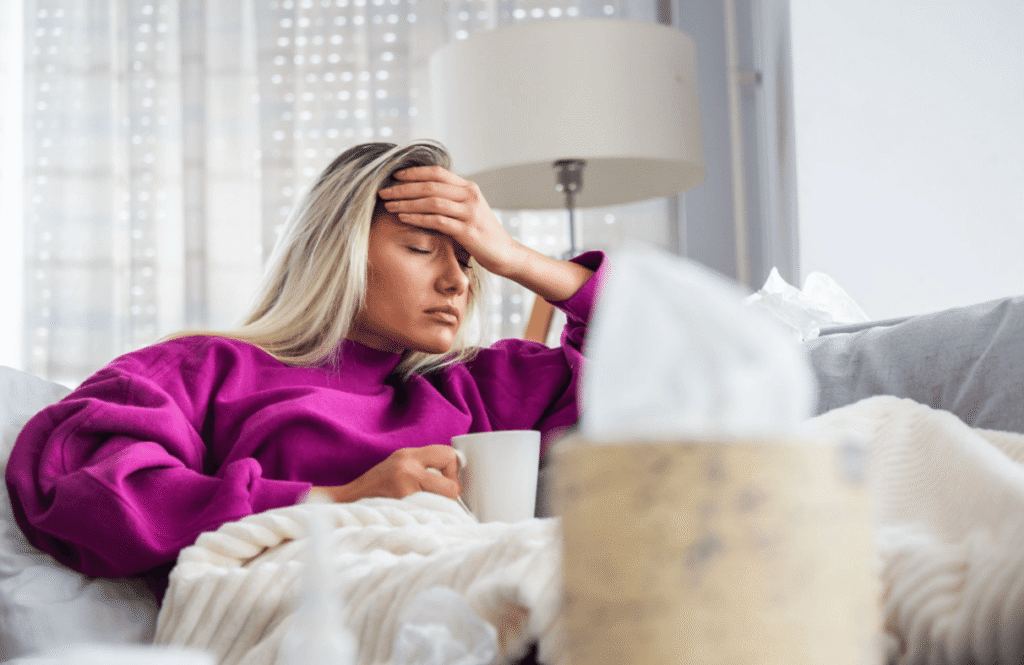
Migraines commonly involve symptoms beyond head pain. These additional features help distinguish migraines from many other headache types, although symptoms vary between individuals.
Nausea
Many people feel sick during a migraine attack, and some may also vomit, making it difficult to eat, drink or carry out normal activities.
Sensitivity to Light
Bright light can become uncomfortable, leading many people to rest in a darkened room until symptoms improve.
Sensitivity to Sound
Everyday sounds may seem much louder than usual, making quiet surroundings more comfortable.
Visual Disturbances
Some people experience migraine aura, including flashing lights, zigzag lines or blind spots. These symptoms do not occur with every migraine, and only a healthcare professional can determine the underlying cause of persistent or unusual visual changes.
Common Triggers for Headaches and Migraines
While some triggers overlap, migraine triggers can be more varied and differ from person to person. Identifying patterns may help support discussions with a healthcare professional.
Common triggers include:
- Stress
- Sleep disruption
- Dehydration
- Missing meals
- Hormonal changes
- Alcohol or certain foods in some people
- Bright lights or strong smells
Experiencing a trigger does not guarantee a headache or migraine will develop. Several factors may combine to increase the likelihood of symptoms. Keeping a symptom diary can help identify recurring patterns, including when symptoms occur, how long they last and any possible triggers, without attempting to diagnose the cause yourself.
Differences in Sensitivity to Light, Sound and Smells
Sensory sensitivity is far more common with migraines than standard headaches. These symptoms can make everyday environments difficult to tolerate during an attack.
Someone with a headache may prefer a quieter room while they recover. During a migraine, normal levels of light, noise or strong smells may feel overwhelming.
| Headache | Migraine |
| Light sensitivity is less common | Light sensitivity is common |
| Normal sounds are usually manageable | Everyday sounds may worsen symptoms |
| Smells rarely affect symptoms | Strong odours may trigger or worsen symptoms in some people |
For example, bright office lighting, a busy supermarket or strong perfume may become uncomfortable during a migraine attack. This heightened sensitivity is one reason many people choose to rest in a calm, dark environment until symptoms begin to improve.
How Treatment Approaches Can Vary
Treatment depends on the type, frequency and severity of symptoms. Occasional headaches may improve with rest, hydration or appropriate over-the-counter pain relief. Recurring migraines may require professional assessment.
Keeping a headache diary can help identify symptom patterns and possible triggers. If migraines are becoming more frequent or affecting daily life, a healthcare professional can assess your symptoms and discuss suitable management options. Treatment recommendations should always be based on individual needs.
When Frequent Head Pain May Need Medical Attention
Recurring or disruptive head pain should be assessed by a healthcare professional, particularly if symptoms change or begin affecting daily life.
Increasing Frequency
Seek medical advice if headaches become more frequent or regular pain relief is needed.
Severe Symptoms
Head pain with vision changes, weakness, numbness or difficulty speaking requires prompt medical assessment.
Sudden Changes
A sudden change in the pattern or intensity of recurring headaches should always be discussed with a clinician.
Urgent Warning Signs
Seek emergency medical attention immediately if you develop a sudden, severe headache, lose consciousness, experience confusion, have a seizure, or develop a headache alongside fever, a stiff neck or a rash.
Accessing Professional Migraine Support Online
Regulated online healthcare services, like ours at WePrescribe, can help patients access appropriate migraine support following a clinical assessment. If recurring migraine symptoms are affecting your daily life, you can arrange a video consultation with us to discuss your symptoms with a qualified pharmacist.
If you have any general questions about the consultation process or available services, you can also contact us. One of our pharmacy team will then be able to advise on any next steps based on your individual circumstances.