


After taking the morning after pill, there are a few important things to keep in mind.
Although emergency contraception can reduce the chance of pregnancy after unprotected sex or contraceptive failure, its effectiveness varies depending on factors such as timing and the type of emergency contraceptive pill used. It should not be viewed as ongoing contraception.
Understanding what to avoid after taking the morning after pill can help you make informed decisions over the following days and weeks. Our guide explains common mistakes, what changes you may notice, and when it is sensible to seek further advice.
Avoiding Unprotected Sex Straight After Taking the Morning After Pill

Emergency contraception does not necessarily protect against future episodes of unprotected sex.
The morning after pill is intended to reduce the chance of pregnancy from the earlier episode of unprotected sex. It does not provide ongoing protection if you have sex again afterwards. Using condoms or another suitable contraceptive method remains important until you have appropriate ongoing contraception in place.
If you are unsure whether you are protected, seek advice from one of our pharmacists or sexual health professional rather than relying on assumptions. This can help reduce the chance of another unintended pregnancy.
Why Missing Regular Contraception Can Increase Pregnancy Risk
Returning to or starting appropriate contraception is an important consideration after emergency contraception.
Emergency contraception is designed for one situation rather than ongoing pregnancy prevention. Leaving a gap before restarting or beginning regular contraception can increase the chance of another unintended pregnancy.
If you are unsure about when emergency contraception may not work, understanding the circumstances that may affect effectiveness can help you plan your next steps with greater confidence.
Returning to Routine Contraception
The timing for restarting or beginning hormonal contraception depends on which emergency contraceptive pill you have taken. The patient information leaflet and advice from your healthcare professional will explain when it is appropriate to begin your chosen method.
Following this guidance carefully helps reduce gaps in contraceptive protection.
Avoiding Gaps in Protection
Until your regular contraception is working as expected, you may need to use condoms or avoid unprotected sex. Your pharmacist or clinician can explain what applies to your individual situation and answer any questions about future contraception planning.
Avoiding Delays if You Experience Vomiting After Taking the Tablet
Vomiting shortly after taking emergency contraception may affect how well it works.
If you are sick within the timeframe stated in your patient information leaflet, the medicine may not have been fully absorbed. Seeking advice promptly is important, as another dose or an alternative option may be recommended depending on your circumstances.
Reading the treatment guidance supplied with your medication helps you understand what action to take if vomiting occurs, along with any other instructions relevant to your treatment.
Why It Is Important Not to Ignore Unusual Symptoms
Most people experience only mild side effects after emergency contraception, although unusual symptoms should not be ignored.
Severe Symptoms
Severe abdominal pain or symptoms that feel unusual should be assessed by a healthcare professional, particularly if they persist or worsen.
Unexpected Changes
Temporary changes to bleeding, spotting or your next period can occur after taking the morning after pill. These changes do not necessarily indicate whether the treatment has worked.
When to Seek Advice
Seek medical advice if you experience severe pain, persistent symptoms, a significantly delayed period, or you are concerned about pregnancy. A healthcare professional can assess your symptoms and advise whether further investigation or a pregnancy test is appropriate.
Avoiding Assumptions That Emergency Contraception Provides Ongoing Protection
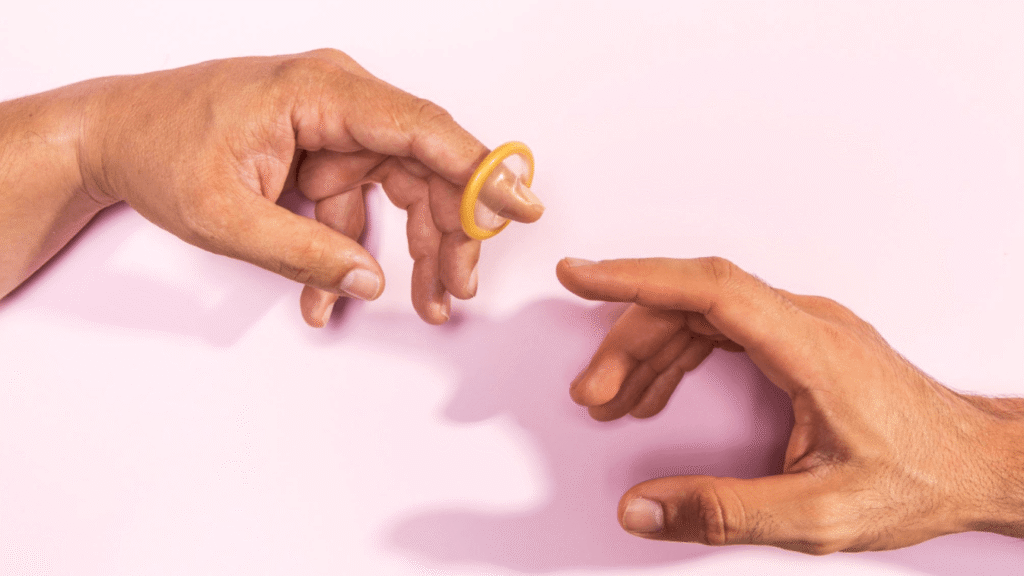
Emergency contraception is designed for specific situations and should not be viewed as ongoing contraception.
It does not continue protecting you against future episodes of unprotected sex, nor should it replace a regular contraceptive method.
Learning more about emergency contraception and the available options can help you choose a longer-term approach that suits your circumstances following a clinical assessment where appropriate.
Why Timing Matters for Future Contraception Use
The timing of future contraception may influence ongoing pregnancy prevention.
Different contraceptive methods become effective at different times. Depending on the emergency contraceptive pill used, there may also be specific recommendations about when hormonal contraception should begin.
Planning ahead reduces uncertainty and helps maintain contraceptive protection. If you are considering changing your regular contraception, a pharmacist or clinician can discuss the available options and explain how to make the transition safely.
Avoiding Excess Stress Around Changes to Your Next Period
Changes to the timing of your next period can occur and are frequently expected after emergency contraception.
Many people become concerned if their next period arrives earlier or later than anticipated. In many cases, temporary changes are a recognised effect following emergency contraception.
Early Periods
Your next period may begin slightly earlier than expected. The flow may also differ from your usual pattern.
Late Periods
Some people experience a later period. This does not always indicate pregnancy, although it should not be ignored if the delay continues.
When to Consider Testing
If your period is significantly later than expected, is unusually light, or you have symptoms suggesting pregnancy, take a pregnancy test according to the guidance provided with your emergency contraception or seek advice from a healthcare professional.
Why You Should Read Medication Guidance Carefully
Treatment-specific instructions provide important information about what to expect and when to seek support.
Although emergency contraceptive pills share the same purpose, the advice accompanying each product may differ. Reading the patient information leaflet helps you understand possible side effects, guidance about vomiting, contraception timing and situations where further medical advice is recommended.
Keeping the leaflet until your next period can also be helpful if questions arise later.
When to Seek Medical Advice After Taking Emergency Contraception
Medical advice may be appropriate if symptoms are unusual or there are ongoing concerns about pregnancy risk.
Consider speaking to a healthcare professional if:
- Your period is significantly later than expected.
- You have a positive pregnancy test.
- You experience severe or persistent abdominal pain.
- You continue to feel unwell.
- You are uncertain whether the emergency contraception was effective.
- You have questions about starting or restarting regular contraception.
Seeking advice promptly provides reassurance and allows any concerns to be assessed appropriately.
Accessing Trusted Emergency Contraception Services Online
Using a regulated provider helps ensure access to appropriate advice and support.
If you have questions about emergency contraception, contraception planning or sexual health, WePrescribe offers regulated online services designed to support informed decision-making. If you need further guidance or have questions about your consultation, you can contact us, and our team will be happy to help.