


Many men begin experiencing hair loss in their twenties, most commonly due to genetics, although hormones, lifestyle factors and overall health can also contribute.
Noticing a receding hairline or thinning hair at a young age can feel worrying, especially if you assumed hair loss only affected older men. In reality, early hair loss is relatively common, and it does not always mean that rapid or severe balding is inevitable.
The most important first step is understanding what may be causing the change. Hair loss can happen gradually or suddenly, and recognising the pattern early can make it easier to understand what support or treatment options may be worth considering.
Genetics in Early Hair Loss
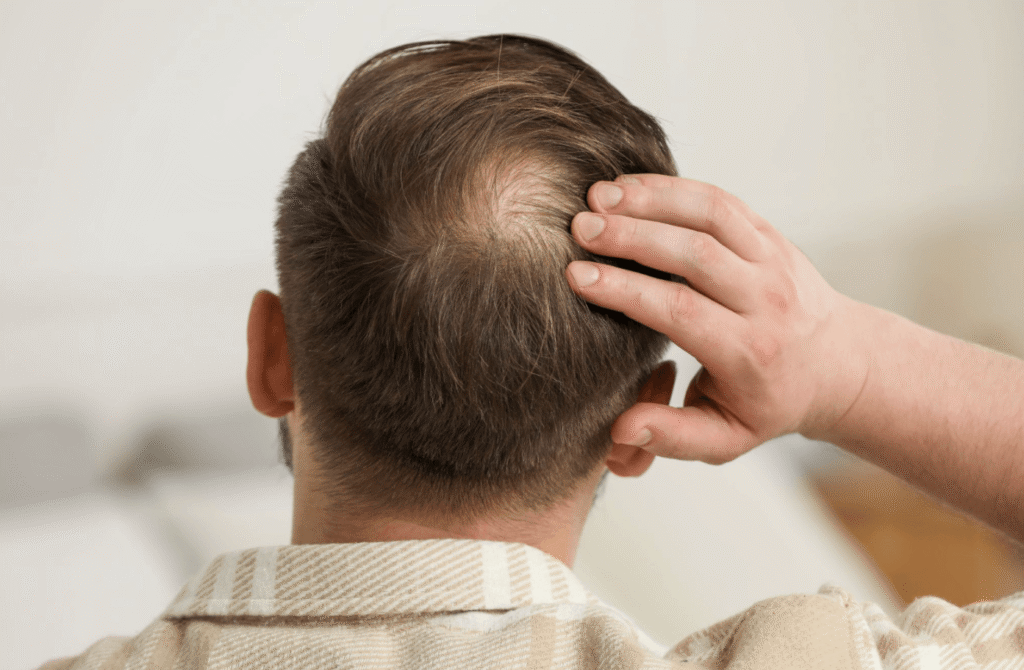
Genetics are one of the most common reasons men begin losing hair at a younger age.
For many men, hereditary hair loss starts long before middle age.
Family History
If close male relatives experienced early hair loss, your chances of noticing similar changes may be higher.
Family history is helpful, but it is not a perfect predictor. Some men follow similar patterns to their father or grandfather, while others experience different timing or severity.
Inherited Patterns
Genetic hair loss often follows recognisable patterns rather than causing random shedding.
Common patterns include:
- Receding temples
- Thinning around the crown
- Gradual loss of density on top
Hair at the back and sides of the scalp often remains thicker for longer.
Early Onset Hair Loss
Early-onset hair loss simply means thinning begins at a younger age, often in the twenties or early thirties.
This does not necessarily mean hair loss will progress quickly. Some men experience slow changes over many years.
Male Pattern Baldness in Younger Men
Male pattern baldness can begin much earlier than many people expect.
This is the most common cause of persistent hair loss in men.
Early signs often include subtle changes that are easy to dismiss at first, such as:
- A widening parting
- Hairline recession at the temples
- More visible scalp under bright light
- Reduced thickness when styling hair
One common misconception is that male pattern baldness means obvious bald patches straight away. In reality, progression is often gradual.
At WePrescribe, our pharmacists often speak to men who only recognise hair thinning after comparing recent photos or noticing more scalp visibility under bathroom lighting. Early changes are often easier to spot in hindsight.
How Hormones Can Affect Hair Loss in Your 20s
Hormonal sensitivity plays a key role in many cases of male pattern hair loss.
The main hormone involved is dihydrotestosterone (DHT), a hormone linked to testosterone.
Some hair follicles are genetically more sensitive to DHT. Over time, that sensitivity can cause follicles to shrink, which may lead to thinner, shorter hairs.
Eventually, some follicles may stop producing visible hair altogether.
This is one reason why two men of the same age can have very different hairlines, even with similar lifestyles.
If you are exploring support options for ongoing hair loss, understanding whether hormonal sensitivity is likely involved can help guide treatment discussions.
The Impact of Stress on Hair Health
Periods of significant stress can sometimes contribute to increased hair shedding.
Stress-related shedding tends to look different from male pattern baldness.
Physical Stress
Major illness, surgery, rapid weight change or severe sleep disruption can place stress on the body.
This may push more hairs into the shedding phase than usual.
Emotional Stress
Chronic anxiety, burnout or prolonged emotional strain may also affect hair growth cycles.
Stress does not cause all hair loss, but it can worsen shedding in some people.
Recovery Periods
Stress-related shedding often appears several weeks or months after the stressful event rather than immediately.
That delayed timing can make the cause easy to miss.
Many people are surprised to learn that hair shedding often reflects what happened to the body months earlier. Understanding the link between stress and hair loss can help make these patterns easier to recognise.
Can Diet and Nutrition Contribute to Hair Loss?

Nutritional factors can sometimes affect hair growth and overall hair health.
Hair growth relies on adequate energy, protein, vitamins and minerals.
Poor nutrition or restrictive diets may contribute to:
- Increased shedding
- Slower regrowth
- Reduced hair quality
- More brittle strands
This does not mean every case of hair loss is caused by diet. However, nutritional deficiencies may contribute in some cases.
A balanced diet supports overall scalp and follicle health.
How Lifestyle Habits May Accelerate Hair Thinning
Certain lifestyle factors may contribute to worsening hair loss in some individuals.
Lifestyle usually does not cause male pattern baldness on its own, but it may influence how noticeable hair thinning becomes.
Sleep
Poor sleep can increase physical stress and affect recovery.
Long-term sleep disruption may indirectly impact overall health, including hair health.
Stress Management
Persistent stress can affect both hormones and recovery patterns.
Small improvements in stress management may help support overall wellbeing.
Overall Health Habits
Exercise, nutrition and recovery all contribute to general health.
At WePrescribe, one pattern our pharmacists often see is younger men focusing only on products while overlooking broader health habits that may be contributing to worsening shedding.
The Link Between Smoking and Hair Loss
Some research suggests smoking may negatively affect hair health and circulation.
Smoking may contribute to poorer blood flow and increased oxidative stress, both of which may affect follicle health.
Smoking is unlikely to be the sole cause of hair loss, but it may worsen existing thinning in some individuals.
Can Rapid Weight Loss Trigger Hair Shedding?
Significant or sudden weight loss can sometimes lead to temporary hair shedding.
This is often related to physical stress and reduced nutrient intake rather than permanent follicle damage.
Common triggers include:
- Crash dieting
- Extreme calorie restriction
- Rapid body weight changes
- Poor protein intake
In many cases, this type of shedding improves once nutrition and recovery stabilise.
The key distinction is pattern. Temporary shedding usually causes diffuse thinning across the scalp rather than a receding hairline.
Why Early Treatment Matters for Hair Loss
Seeking advice earlier may help people understand their options before hair loss progresses further.
This does not mean everyone with thinning hair needs treatment immediately.
However, early assessment can help identify:
- Whether hair loss is genetic
- Whether shedding appears temporary
- Whether lifestyle factors are contributing
- Which support options may be appropriate
At WePrescribe, our pharmacists often hear from men who waited several years before seeking advice because they assumed thinning would stop on its own.
Early action does not guarantee better results, but it may provide more options for understanding and managing progression.
If you have started noticing gradual thinning, learning more about managing male hair loss can help you understand what practical steps may be worth considering.
Accessing Hair Loss Treatment Online in the UK
Regulated online services can help assess suitability for hair loss treatments.
Online support can be particularly useful for men who want convenient, discreet access to professional advice.
WePrescribe offers pharmacist-led support for people exploring hair loss treatment options, helping assess symptom patterns and whether further review may be appropriate.
Treatment suitability depends on individual circumstances, including your hair loss pattern, medical history and goals.
If you want personalised advice, you can arrange a video consultation with one of our pharmacists on hand at WePrescribe, or if you have any questions about any of our available services, you can also contact us directly.