


Understanding when ovulation happens can help explain why the chance of pregnancy changes throughout the menstrual cycle. Pregnancy is generally more likely during the fertile window, although ovulation is not always easy to predict. If you’ve had unprotected sex and are unsure about your pregnancy risk, understanding how fertility works can help you make informed decisions.
WePrescribe offers confidential online consultations where a qualified clinician can assess your circumstances and discuss whether emergency contraception may be appropriate.
Pregnancy Risk Increases During the Fertile Window

The chance of pregnancy is generally highest during the fertile window, which includes the days leading up to ovulation and the day ovulation occurs.
The fertile window exists because sperm can survive for several days before an egg is released. This means pregnancy may occur even if unprotected sex happens before ovulation.
Although a 28-day menstrual cycle is commonly used as an example, cycle length and ovulation timing vary between individuals and from one month to the next. Rather than focusing on a single fertile day, it is more helpful to think of fertility as a window lasting several days.
Understanding the fertile window
| Stage of the menstrual cycle | General pregnancy risk |
| During menstruation | Usually lower, although pregnancy remains possible depending on cycle timing |
| Days leading up to ovulation | Increasing |
| Day of ovulation | Generally highest |
| After ovulation | Usually decreases as the egg survives for a relatively short time |
This timeline is a general guide and should not be used to predict pregnancy.
Sperm Can Survive for Several Days Before Ovulation
Sperm can remain alive in the reproductive tract for several days, which means pregnancy can occur even if sex happens before ovulation.
Sperm may survive for up to five days in favourable conditions. If ovulation takes place during this time, fertilisation may still occur, even though unprotected sex happened several days earlier.
This explains why pregnancy is possible before ovulation and why the fertile window includes the days leading up to the release of an egg. As ovulation can vary from cycle to cycle, healthcare professionals do not rely on calendar dates alone when assessing pregnancy risk after unprotected sex. Instead, they consider your individual circumstances before discussing appropriate next steps.
The Egg Has a Short Window for Fertilisation
Once released, an egg can usually only be fertilised for a relatively short period.
Following ovulation, the egg remains capable of being fertilised for around 12 to 24 hours. If fertilisation does not occur during this time, the egg naturally breaks down.
Although this fertile period is relatively brief, identifying precisely when it begins is much more difficult without specialised monitoring. Most people cannot accurately determine the exact moment ovulation occurs based on symptoms alone.
For this reason, healthcare professionals assess the wider fertile window rather than focusing solely on the day ovulation is expected.
Sex Before Ovulation Can Still Result in Pregnancy
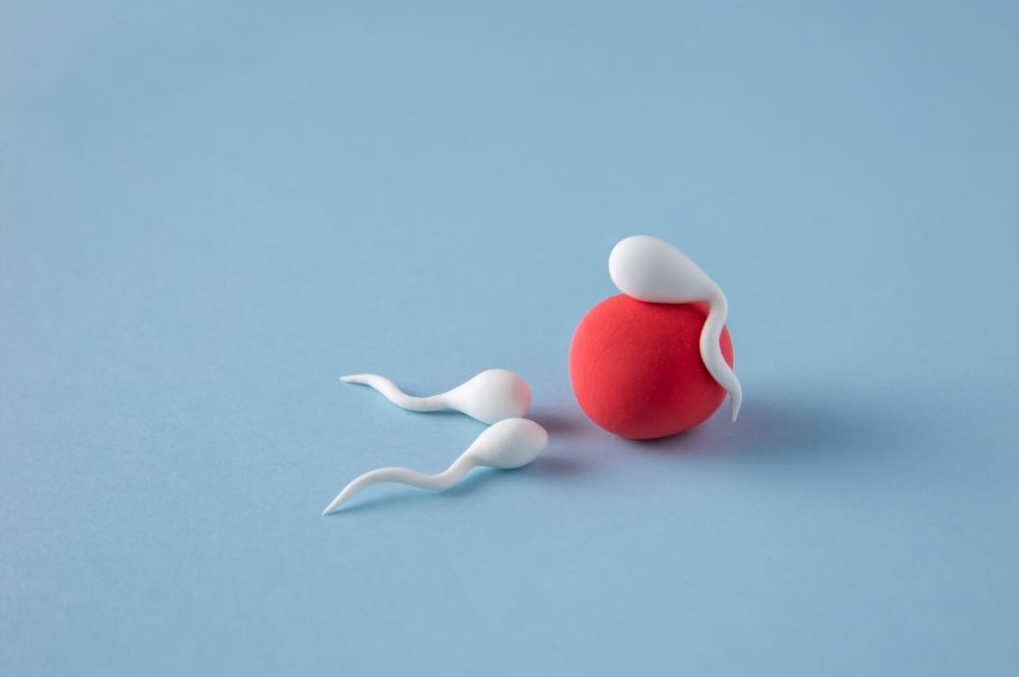
Because sperm may survive for several days, having sex before ovulation can still lead to pregnancy.
Pregnancy is not only possible on the day of ovulation. Since sperm can survive in the reproductive tract for up to five days, fertilisation may occur if an egg is released during that time.
This is why the days before ovulation form part of the fertile window. As ovulation can happen earlier or later than expected, relying on calendar dates or presumed “safe days” is not a reliable way to estimate pregnancy risk.
If you’ve had unprotected sex and are concerned about pregnancy, a clinician can assess factors such as the timing of intercourse, your menstrual cycle and any contraception used before discussing your options.
Sex on the Day of Ovulation Carries a Higher Pregnancy Risk
The likelihood of pregnancy is generally highest around the time of ovulation.
Ovulation is when an egg is released from one of the ovaries. If viable sperm are already present, the chance of fertilisation is generally at its highest during this stage of the menstrual cycle.
However, identifying the exact day of ovulation is difficult. Hormone levels fluctuate naturally, and ovulation can occur earlier or later than expected, even in people with regular periods. This is why healthcare professionals do not rely solely on calendar dates or cycle tracking when assessing pregnancy risk after unprotected sex. Instead, they consider your individual circumstances before discussing the most appropriate advice.
Irregular Cycles Make Ovulation Harder to Predict
People with irregular menstrual cycles may find it more difficult to estimate when ovulation occurs.
Cycle length naturally varies between individuals and can also change from month to month. Factors such as stress, illness, travel, hormonal changes and coming off hormonal contraception may all influence when ovulation happens.
Because of this variation, counting days from the start of your last period is not a reliable way to estimate pregnancy risk. Even people with regular cycles can ovulate earlier or later than expected.
If you’ve had unprotected sex and are unsure where you were in your cycle, seeking timely professional advice is generally more helpful than relying on estimated ovulation dates alone.
Hormonal Contraception Changes or Prevents Ovulation
Many forms of hormonal contraception work by preventing or altering ovulation.
Hormonal contraceptives reduce the chance of pregnancy in different ways. Combined oral contraceptive pills primarily work by preventing ovulation. Many progesterone-only methods also suppress ovulation, while some additionally thicken cervical mucus and alter the lining of the uterus, making pregnancy less likely.
Although hormonal contraception is highly effective when used correctly, no method provides complete protection. Missed pills, delayed injections, vomiting, severe diarrhoea or incorrect use may reduce effectiveness.
If contraception has not been used as intended and unprotected sex has occurred, a clinician can assess your circumstances and discuss whether emergency contraception or other support may be appropriate.
Period Tracking Apps Cannot Confirm Ovulation
Period tracking apps estimate ovulation based on previous cycles but cannot confirm exactly when ovulation occurs.
Many tracking apps use information from previous menstrual cycles to predict future fertile days. These estimates may help people understand general patterns, although they cannot measure hormone levels or detect the exact release of an egg.
Unexpected changes caused by stress, illness, travel or natural cycle variation cannot always be reflected in these predictions. As a result, an app may estimate ovulation several days earlier or later than it actually occurs.
Period tracking tools can support menstrual awareness, although they should not be relied upon to determine pregnancy risk following unprotected sex or to decide whether emergency contraception is required.
Stress, Illness and Travel Can Shift Ovulation
Everyday factors such as stress, illness or travel may affect ovulation timing in some people.
Hormones regulating the menstrual cycle respond to changes within the body and the surrounding environment. Temporary disruption can occasionally influence when ovulation occurs.
Examples include:
- Emotional or psychological stress
- Viral illnesses
- Long-distance travel
- Disrupted sleep patterns
- Major lifestyle changes
Some people notice no effect at all, while others experience earlier or later ovulation during these circumstances. Since these changes cannot be predicted with certainty, estimating fertility based on previous cycles becomes less reliable.
Understanding this variation can help explain why healthcare professionals consider individual circumstances rather than relying solely on menstrual dates.
When to Seek Advice After Unprotected Sex
If you’ve had unprotected sex and are concerned about pregnancy, seeking advice promptly can help you understand your options.
Some forms of emergency contraception are time-sensitive, making early assessment important. A clinician can consider factors such as when unprotected sex occurred, your menstrual cycle, current or recent contraception and your medical history before discussing whether emergency contraception may be appropriate.
If emergency contraception is no longer suitable, you may be advised about pregnancy testing at the appropriate time or offered guidance on ongoing contraception.
If you’re unsure about your pregnancy risk, WePrescribe offers a confidential video consultation with a qualified clinician. For general service enquiries, you can also contact us for further information.