


A period typically lasts between two and seven days, although heavy menstrual bleeding can continue beyond this range. If you’re wondering how long a heavy period can last, the amount of bleeding, changes from your usual pattern and accompanying symptoms are just as important as its duration.
Understanding these differences can help you recognise when bleeding warrants medical advice.
How Long Does a Typical Period Last?
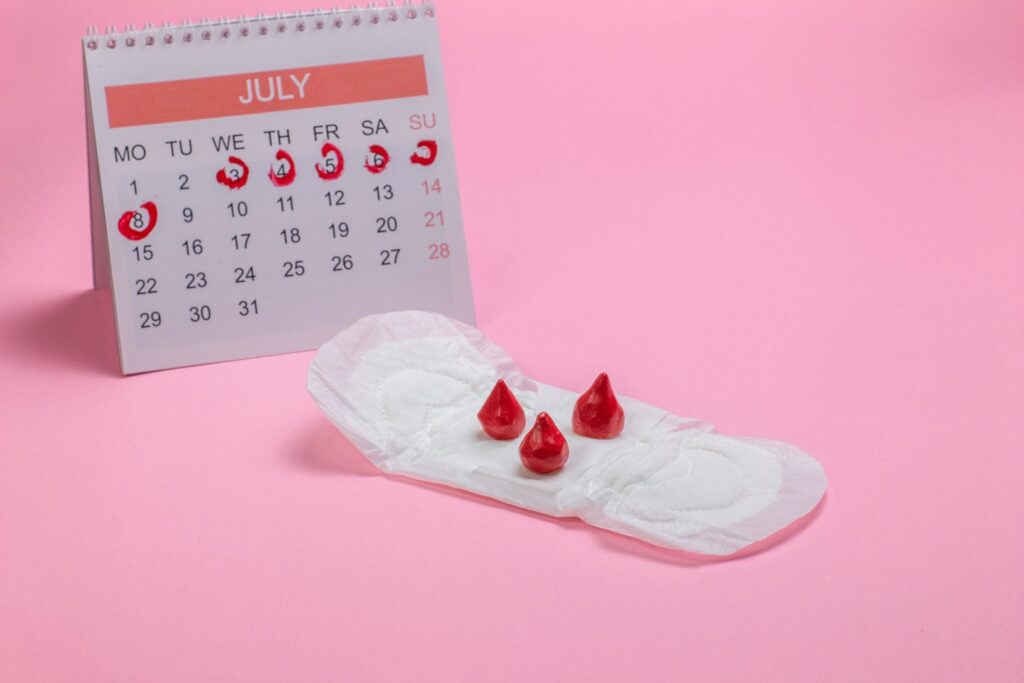
Most periods last between two and seven days, with around five days being typical, according to the NHS. Bleeding is usually heaviest during the first two days.
However, menstrual patterns vary. Someone whose periods consistently last seven days may have a different experience from someone whose usual bleeding lasts three days.
Consider both the duration and whether your menstrual flow has changed. A noticeably longer period, particularly alongside heavier bleeding or new symptoms, deserves attention.
When Is a Period Considered Heavy?
A period is considered heavy when bleeding affects everyday life, rather than being defined by duration alone.
Common signs include:
- Changing pads or tampons every one to two hours.
- Using two menstrual products together.
- Bleeding through clothing or bedding.
- Passing large blood clots.
- Avoiding activities because of bleeding.
These signs can help you recognise changes in your menstrual pattern. Understanding what is classified as a heavy period can provide further guidance, although a professional assessment may be needed.
How Long Can Heavy Menstrual Bleeding Continue?
Heavy menstrual bleeding can continue beyond seven days, although duration alone does not indicate an underlying condition. Changes in flow and accompanying symptoms also matter.
If bleeding lasts longer than usual, consider four questions:
- Duration: How many days have you been bleeding?
- Flow: How heavy is the bleeding?
- Pattern: Is this unusual for you?
- Symptoms: Are you experiencing pain, dizziness or exhaustion?
Understanding the normal amount of period blood loss can provide useful context when assessing these changes.
Why Might a Heavy Period Last Longer Than Usual?
Prolonged heavy bleeding can have several possible explanations, including hormonal changes, contraception, certain medicines and gynaecological conditions.
Potential contributing factors include:
- Hormonal changes: Irregular ovulation can affect how the womb lining develops and sheds.
- Fibroids or polyps: Growths within or around the womb may contribute to heavier bleeding.
- Adenomyosis: Tissue similar to the womb lining grows into its muscular wall.
- Contraception: Certain methods can alter bleeding frequency, duration or volume.
- Medicines: Anticoagulants, which reduce blood clotting, can increase menstrual bleeding.
Pregnancy-related bleeding and certain underlying health conditions also require consideration.
These possibilities cannot be distinguished reliably from bleeding patterns alone. Read about common reasons for experiencing heavy periods for additional context.
Can Heavy Periods Change With Age?

Menstrual bleeding can change throughout life as hormone levels and ovulation patterns fluctuate. However, significant changes should not automatically be attributed to ageing.
During perimenopause, the transition towards menopause, periods may become irregular, heavier or lighter. Understanding these changes in menstrual flow over time can help you recognise differences from your usual pattern.
New, persistent or unexpected bleeding warrants assessment. Bleeding after menopause, defined as 12 months without a period, should always be checked by a GP.
Can Contraception Affect the Length of a Heavy Period?
Contraception can influence menstrual duration, flow and regularity, depending on the method used.
Some hormonal methods may reduce bleeding, while others can cause irregular or prolonged bleeding, particularly after starting or changing contraception.
A copper intrauterine device (IUD) can make periods heavier or longer.
If bleeding becomes troublesome, seek advice rather than stopping prescribed contraception without discussing alternatives.
Understanding contraceptive options available online may help inform a discussion with a healthcare professional.
Can Heavy Periods Cause Iron-Deficiency Anaemia?
Heavy menstrual bleeding can contribute to iron deficiency and iron-deficiency anaemia through repeated blood loss.
Iron is needed to produce haemoglobin, the substance in red blood cells that carries oxygen.
Possible symptoms of iron-deficiency anaemia include:
- Persistent tiredness or reduced energy.
- Breathlessness.
- Heart palpitations.
- Headaches or dizziness.
These symptoms have several possible causes and cannot confirm anaemia.
NICE recommends a full blood count for people being assessed for heavy menstrual bleeding. A healthcare professional can determine whether further investigation is necessary.
How Can You Track Heavy Menstrual Bleeding?
Recording your menstrual pattern can help identify meaningful changes and provide useful information during a clinical consultation.
Keep track of:
- The first and last day of bleeding.
- Which days have the heaviest flow.
- How frequently menstrual products need changing.
- Leaks, flooding or blood clots.
- Associated pain, dizziness or tiredness.
- Disruption to sleep, work or daily activities.
- Recent changes to contraception or other medicines.
A diary or period-tracking app can help organise this information.
You do not need to calculate exact blood loss. Describing your experience clearly is more useful than attempting an unreliable measurement.
Tracking should never delay seeking help for concerning symptoms.
What Treatments Are Available for Heavy Periods?
Heavy period treatments include non-hormonal medicines, hormonal options and specialist procedures. The appropriate approach depends on your symptoms, medical history and possible causes.
Non-hormonal medicines include tranexamic acid, which reduces menstrual blood loss, and mefenamic acid, an anti-inflammatory medicine that may help with bleeding and period pain.
Hormonal options may also be considered following assessment.
Explore heavy period treatment and support through WePrescribe, where a clinician can assess whether prescription treatment may be suitable for your individual circumstances.
When Should You Speak to a Healthcare Professional?
Arrange a GP appointment if heavy or prolonged bleeding persists, changes significantly or affects your everyday life.
Seek professional advice particularly when:
- Bleeding regularly continues beyond seven days.
- Your menstrual flow becomes noticeably heavier.
- You experience persistent tiredness or breathlessness.
- Period pain becomes more severe.
- Bleeding occurs between periods or after sex.
- Existing treatment is not helping as expected.
A GP may recommend blood tests, an examination or further investigations depending on your symptoms.
Other common problems women experience with periods may also help explain when assessment is appropriate.
When Does Heavy Bleeding Require Urgent Medical Attention?
Very heavy bleeding accompanied by faintness, severe pain or signs of significant blood loss requires urgent medical assessment.
Seek urgent help if bleeding is unusually severe, particularly if you feel dizzy, faint, extremely weak or increasingly unwell.
Contact NHS 111 for urgent guidance when you are unsure where to seek care. Call 999 if you collapse, have severe breathing difficulties or experience other life-threatening symptoms.
If pregnancy is possible and bleeding occurs alongside severe abdominal pain, shoulder-tip pain or faintness, seek emergency medical attention.
Do not wait for a period to finish before seeking urgent help when symptoms develop.