


Many people search “why is my period late” after noticing a change in their menstrual cycle. Although pregnancy is one possible explanation, changes in the timing of your period can happen for many different reasons, including hormonal, lifestyle and health factors.
This guide explains common causes of delayed or irregular periods, when medical advice may be appropriate, and why planned period delay medication differs from investigating an unexpected late or missed period.
Stress and Emotional Wellbeing
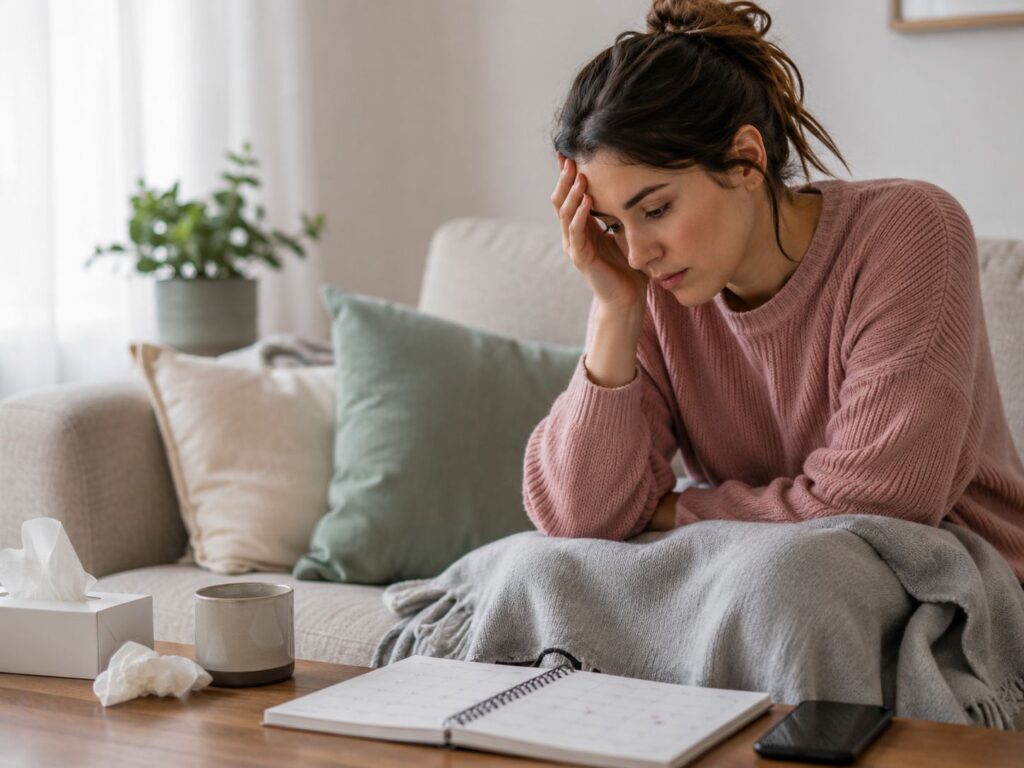
Stress can affect the hormones that regulate your menstrual cycle, making periods earlier, later or occasionally missed.
Your menstrual cycle relies on communication between the brain and the ovaries. During periods of emotional or physical stress, your body produces more cortisol, which can temporarily affect the hormones involved in ovulation and delay your next period.
Stress affects everyone differently. Some people notice only slight changes to their cycle, while others may miss a period before it returns to its usual pattern.
Situations that may contribute include work pressure, exams, bereavement, relationship difficulties, illness or other significant life events. If stress is the underlying cause, your menstrual cycle may return to its usual pattern as hormone levels settle. Tracking your periods can help identify recurring patterns if changes continue.
Hormonal Changes Throughout Life
Hormonal fluctuations naturally occur throughout life and can influence when your period arrives.
Hormone levels change during different stages of life, affecting the timing and pattern of your menstrual cycle. During puberty, periods may be irregular while the body establishes a regular cycle. Throughout adulthood, some month-to-month variation is normal, meaning periods do not always arrive on the same day. As menopause approaches, changing hormone levels can also make cycles less predictable.
It is important to distinguish a naturally delayed period from planned period delay medication. Period delay medication is intended to postpone an expected period following a clinical assessment. It is not a treatment for an unexplained late or missed period, where further assessment may be appropriate.
Polycystic Ovary Syndrome (PCOS)
PCOS is one of the most common medical causes of irregular or infrequent periods.
Polycystic ovary syndrome affects the way the ovaries function and can disrupt normal ovulation. Without regular ovulation, menstrual cycles may become longer, less predictable or occur only occasionally.
Alongside irregular periods, some people may also experience:
- Acne
- Increased facial or body hair growth
- Weight changes
- Difficulty becoming pregnant
- Thinning hair on the scalp
Having irregular periods does not automatically mean someone has PCOS. Diagnosis usually involves discussing symptoms with a healthcare professional, alongside appropriate examinations or investigations where required.
A pharmacist or clinician may ask questions about your menstrual history, general health and any associated symptoms before deciding whether further assessment would be beneficial.
Changes in Body Weight
Significant weight loss or weight gain can affect hormone levels involved in the menstrual cycle.
The body relies on adequate energy stores to maintain regular hormone production. Rapid weight loss, restrictive eating or being significantly underweight may reduce the hormones needed for regular ovulation.
Weight gain can also influence hormone balance in some people, particularly if it occurs alongside conditions affecting insulin or reproductive hormones.
Rather than focusing on weight alone, healthcare professionals usually consider wider factors including:
- Recent changes in eating habits
- Nutritional intake
- Exercise levels
- Existing medical conditions
- Medication history
Monitoring gradual changes rather than isolated fluctuations can provide a clearer picture during clinical assessment.
Intense Exercise and Physical Activity

Very high levels of physical activity can sometimes disrupt the menstrual cycle.
People who participate in endurance sports or intensive athletic training occasionally experience delayed or missed periods. This is usually linked to the body’s overall energy balance rather than exercise itself.
When energy expenditure consistently exceeds energy intake, hormone production may temporarily change, affecting ovulation and menstrual timing.
Moderate physical activity supports overall health and is unlikely to disrupt menstrual cycles for most people. If intensive exercise is accompanied by persistent menstrual changes, professional advice is recommended to identify any contributing factors.
Pregnancy
Pregnancy is one of the most common reasons for a missed period in people who are sexually active.
If pregnancy is possible, taking a home pregnancy test according to the manufacturer’s instructions can provide an initial indication. Testing is generally more reliable after a missed period, although individual products differ.
Some people experience additional early symptoms, including:
- Breast tenderness
- Nausea
- Fatigue
- Increased urination
These symptoms are not unique to pregnancy and can occur for other reasons, meaning they should not be used alone to reach a conclusion.
If pregnancy is confirmed, suspected despite a negative test, or accompanied by concerning symptoms such as severe abdominal pain or heavy bleeding, prompt medical advice should be sought.
Breastfeeding
Breastfeeding commonly affects hormone levels and may delay the return of regular periods.
After giving birth, the hormone prolactin supports milk production and can reduce ovulation. As a result, periods may take longer to return while breastfeeding.
The timing varies between individuals. Some people regain regular periods within a few months, while others do not until breastfeeding becomes less frequent or stops. When periods return, they may initially be irregular, heavier or lighter than before pregnancy.
If bleeding is unusually heavy, accompanied by severe pain, or you have concerns about your menstrual cycle, it is advisable to seek medical advice.
Perimenopause and Menopause
As menopause approaches, hormone levels naturally fluctuate, making periods less predictable.
Perimenopause is the transition leading up to menopause and usually begins during a person’s forties, although it can start earlier or later. During this stage, the ovaries gradually produce lower levels of oestrogen, leading to changes in menstrual timing.
Periods may become:
- Closer together
- Further apart
- Heavier
- Lighter
- More irregular than previously experienced
Some people also notice symptoms such as hot flushes, night sweats, sleep disturbance or mood changes alongside alterations to their cycle.
Menopause is confirmed after 12 consecutive months without a menstrual period. Any vaginal bleeding after menopause should always be assessed by a healthcare professional.
When Changes to Your Menstrual Cycle Should Be Assessed
Persistent, unexplained or severe changes to your menstrual cycle should be discussed with a healthcare professional.
An occasional late or irregular period does not always indicate an underlying health condition. Persistent changes, repeated missed periods or new symptoms should be assessed to identify whether further investigation is needed.
You should seek medical advice if you experience:
- Several missed periods without an obvious explanation
- Very heavy menstrual bleeding
- Severe or worsening pelvic pain
- Bleeding between periods
- Bleeding after menopause
- Concerns about possible pregnancy
- New symptoms such as persistent acne, excessive hair growth or unexplained weight changes alongside irregular periods
Keeping a menstrual diary or using a cycle tracking app can help identify patterns and provide useful information during a clinical assessment.
If you have noticed ongoing menstrual cycle changes, a video consultation can provide a convenient way to discuss your symptoms with a qualified clinician. If you are considering period delay medication for a planned event or holiday, suitability should always be assessed beforehand. It is intended to postpone an expected period and is not a treatment for an unexplained late or missed period.
For general questions about WePrescribe’s services, you can also contact us.