


Feeling hungry isn’t a sign you’ve failed.
In fact, hunger is one of your body’s normal ways of telling you it needs energy. The challenge for many people isn’t that they get hungry, it’s that their meals don’t keep them satisfied for very long.
If you find yourself reaching for snacks an hour or two after eating, it may have less to do with willpower and more to do with what was on your plate in the first place.
Foods rich in protein, fibre and healthy fats often help people feel fuller for longer than highly processed foods. But no single ingredient is responsible on its own. The meals that tend to be the most satisfying usually combine several of these nutrients together.
Rather than looking for one food that magically keeps hunger away, it’s more helpful to understand what makes a meal satisfying in the first place.
Eggs Are a Simple Way to Build a More Filling Breakfast
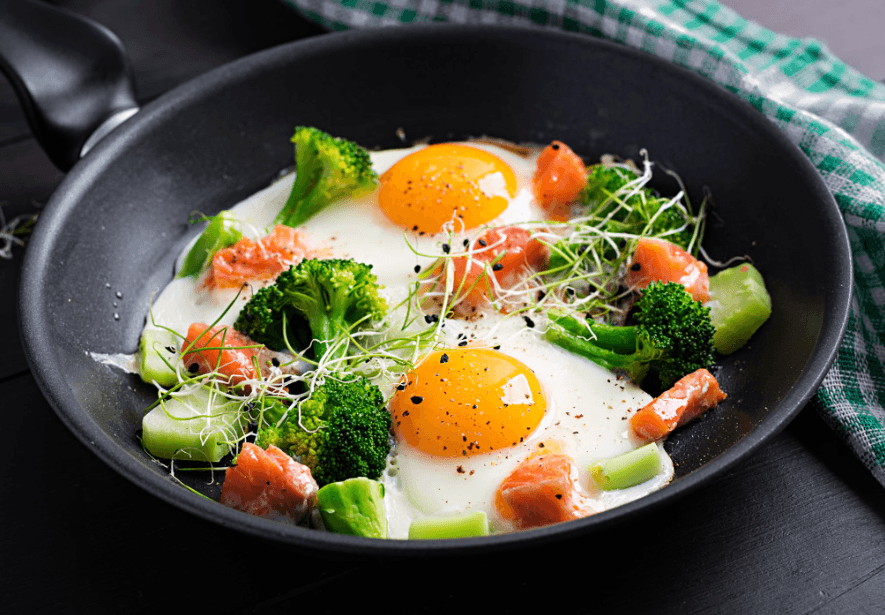
Eggs are naturally rich in protein, which plays an important role in helping many people feel satisfied after eating.
Breakfast is often the meal where people unintentionally choose foods that digest quickly. Sugary cereals, pastries or toast on its own may be convenient, but they don’t always provide lasting fullness.
Compare these two breakfasts:
- A bowl of sweetened cereal with fruit juice.
- Two eggs on wholemeal toast with grilled tomatoes and spinach.
Both provide energy, but the second meal combines protein, fibre and slower-digesting carbohydrates, which many people find keeps them satisfied for longer.
That doesn’t mean eggs are a “weight-loss food.” They’re simply one example of how adding protein to a meal can make it more satisfying.
Oats Provide More Than Just a Warm Breakfast
Oats are another food that often appears on lists of filling breakfasts, but the reason goes beyond tradition.
They contain soluble fibre, including a type called beta-glucan, which can slow digestion and contribute to feelings of fullness after eating.
Fibre Makes a Difference
Many people don’t eat enough fibre throughout the day.
Including fibre-rich foods at breakfast may help reduce the urge to snack before lunch compared with breakfasts made mostly from refined carbohydrates.
Build a Breakfast, Not Just a Bowl
Porridge becomes even more satisfying when it’s treated as the foundation of a balanced meal rather than the entire meal.
For example, you could add:
- Greek yoghurt
- berries
- chopped nuts
- seeds
- sliced banana
Each ingredient adds something different, helping create a breakfast that’s more likely to keep you going through the morning.
Portion Size Still Matters
Eating larger portions doesn’t automatically mean you’ll stay fuller for longer.
Finding a portion that satisfies your hunger while fitting your own nutritional needs is usually more helpful than assuming “more is better.”
Chicken and Lean Meats Can Help Build More Satisfying Meals
Protein-rich meals often leave people feeling satisfied for longer than meals made up mainly of refined carbohydrates.
Chicken, turkey and other lean meats are straightforward ways to increase protein intake without making meals complicated.
The good news is that you don’t need elaborate recipes.
Simple meals such as grilled chicken with roasted vegetables and brown rice, or a chicken salad with wholegrain bread, combine protein, fibre and carbohydrates in a way that’s practical for everyday life.
The aim isn’t perfection.
It’s building meals that are less likely to leave you searching the cupboard an hour later.
Greek Yoghurt Makes a More Filling Snack Than Many Processed Alternatives
Afternoon hunger is something many people struggle with.
If lunch wasn’t particularly satisfying, it’s easy to reach for biscuits, crisps or chocolate simply because they’re available.
Greek yoghurt can be a useful alternative because its protein content often makes it more filling than many processed snack foods.
Pair It With Fruit
Rather than eating yoghurt on its own, try combining it with foods that add texture and fibre.
For example:
- fresh berries
- sliced apple
- pear
- a sprinkle of chia or pumpkin seeds
The result is usually far more satisfying than snacks built mostly around sugar alone.
Beans, Lentils and Pulses Deserve More Attention
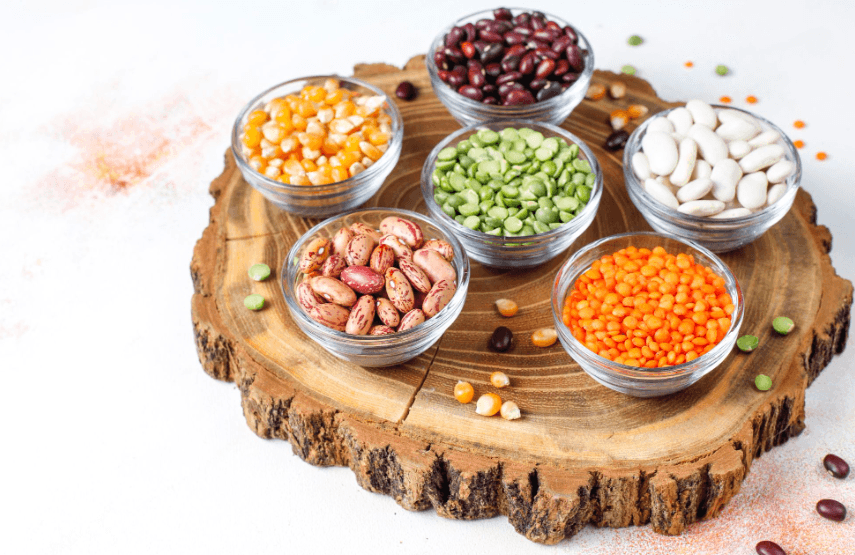
Beans, lentils and pulses are sometimes overlooked, despite offering an excellent combination of plant-based protein and fibre.
They’re also one of the easiest ways to make existing meals more filling without changing your diet completely.
Instead of creating entirely new recipes, try adding them to meals you already enjoy.
They work well in:
- soups
- chilli
- pasta sauces
- curries
- salads
- casseroles
Small changes like these often prove much easier to maintain than following a completely new eating plan.
Nuts and Seeds Can Make Snacks More Satisfying
Nuts and seeds provide healthy fats, protein and fibre, making them a useful addition to balanced meals and snacks.
They’re also convenient, which makes them a practical option for busy days.
Keep Portions Realistic
Because nuts are energy dense, a small handful is often enough.
They’re best thought of as something that complements a snack rather than replacing balanced meals.
Build Better Snacks
Instead of relying on highly processed snack foods, consider combinations such as:
- apple with peanut butter
- Greek yoghurt with walnuts
- oatcakes with hummus
- banana with almond butter
Each combines different nutrients that may help you feel more satisfied until your next meal.
Healthy Fats Help Make Meals More Satisfying
Fat sometimes gets an unfair reputation during conversations about weight management.
In reality, healthy fats form part of a balanced diet and contribute to how satisfying meals feel.
Avocados are a good example.
Rather than eating them because they’re fashionable, think about how they fit into the overall meal.
Adding avocado to a chicken salad or wholegrain wrap introduces healthy fats alongside protein and fibre, creating a meal that’s often more satisfying than one built around salad leaves alone.
Again, it’s the combination that matters, not one individual ingredient.
Fruit Can Help Manage Hunger Between Meals
Fruit often contains fibre and water, both of which contribute to fullness.
Choosing whole fruit rather than fruit juice also means you’re getting that fibre as part of the food.
Apples
Apples combine natural sweetness with fibre, making them a practical snack for work or travelling.
Pears
Pears are another fibre-rich option that many people find satisfying between meals.
Berries
Berries work particularly well alongside protein-rich foods such as yoghurt, adding flavour and texture without relying on highly processed toppings.
One of the biggest misconceptions about healthy eating is that snacks have to be complicated.
Very often, combining two simple foods creates something that’s far more satisfying than convenience snacks marketed as “healthy.”
Vegetables Add More Than Vitamins
Vegetables aren’t just important because of their nutrients.
They’re also one of the easiest ways to increase the volume of a meal.
That matters because meals that look and feel more substantial often leave people feeling more satisfied afterwards.
Broccoli, carrots, leafy greens, peppers, courgettes and mixed vegetables can all add fibre, texture and variety without making cooking significantly more complicated.
Instead of thinking about what to remove from your meals, it can be more helpful to think about what you can add.
Adding extra vegetables, alongside protein and wholegrains, often creates a meal that’s naturally more filling than simply reducing portion sizes.
How Balanced Meals Support Healthier Eating Habits
When people search for foods to keep them full, they’re often hoping to find one ingredient that will stop hunger altogether.
Unfortunately, it rarely works like that.
Feeling satisfied after eating is usually the result of how your meal is put together rather than any single food on the plate.
A balanced meal often includes:
- A source of protein, such as eggs, chicken, fish, tofu or Greek yoghurt.
- Fibre-rich carbohydrates, including oats, wholegrains, beans or vegetables.
- Healthy fats from foods like nuts, seeds or avocado.
- Plenty of vegetables or salad to add volume and variety.
When these foods are combined, meals often feel more satisfying than those built around refined carbohydrates or highly processed foods alone.
That doesn’t mean you’ll never feel hungry. Hunger is a normal part of healthy eating. The aim isn’t to eliminate it, but to build meals that leave you feeling comfortably satisfied until it’s time to eat again.
One helpful way to think about it is to stop asking, “What food keeps me full?” and start asking, “Does this meal have enough protein, fibre and variety?”
That small shift in thinking can often make everyday eating feel much more manageable.
Why Hunger Isn’t Just About Food
It’s easy to assume that feeling hungry always means you’ve eaten the “wrong” foods.
In reality, appetite is influenced by far more than what’s on your plate.
Some of the biggest influences include:
- Poor sleep.
- Stress.
- Physical activity.
- Meal timing.
- Hydration.
- Existing health conditions.
- Certain medications.
For example, many people notice they’re hungrier after a poor night’s sleep or during particularly stressful periods at work.
Likewise, skipping breakfast or eating lunch much later than usual can make it more difficult to make balanced food choices later in the day.
Recognising these patterns can be just as valuable as changing the foods you eat.
Small Changes Often Last Longer Than Big Changes
One reason restrictive diets become difficult to maintain is that they ask people to change everything at once.
In contrast, building satisfying meals often starts with much smaller adjustments.
For example:
- Add an extra portion of vegetables to your evening meal.
- Swap a sugary breakfast for oats topped with yoghurt and berries.
- Include a source of protein with lunch.
- Choose fruit and yoghurt instead of a snack that leaves you hungry again an hour later.
- Add beans or lentils to meals you already cook.
These changes might seem modest, but they’re usually much easier to continue over time.
That’s often the difference between short-term motivation and habits that fit into everyday life. Focusing on healthy eating habits that last is generally more sustainable than repeatedly starting restrictive diets, especially when you’re setting realistic health goals that work with your lifestyle rather than against it.
When It May Help to Speak to a Healthcare Professional
For some people, improving meal composition makes a noticeable difference to hunger and eating habits.
For others, things aren’t quite so straightforward.
If you’ve spent time making changes to your diet, staying active and building healthier routines but still feel you’re struggling with weight management, it may be worth discussing your situation with a healthcare professional.
Weight management is influenced by many different factors, including medical history, lifestyle, sleep, mental well-being, and underlying health conditions. There isn’t one approach that’s right for everyone.
Depending on your circumstances, professional support might include nutritional advice, structured lifestyle programmes or a discussion about the different options available to you. Understanding different approaches to long-term weight management can help you decide what feels realistic for your individual situation, rather than feeling pressured to follow the latest trend.
If you have questions about WePrescribe’s consultation process or would like to understand what support is available, you can contact us for further information.
The Bottom Line
There isn’t a single food that guarantees you’ll feel full all day.
Instead, the meals that tend to keep people satisfied for longer usually have something in common. They combine protein, fibre, healthy fats and plenty of whole foods in a way that’s practical to maintain.
If you’re constantly hungry, try looking beyond individual ingredients and think about the balance of your meals as a whole.
Healthy eating doesn’t have to mean following strict rules or cutting out your favourite foods. In many cases, small, consistent changes are more realistic than dramatic ones, and they’re often much easier to maintain over the long term.