


Booking your flights is usually the easy part of planning a holiday. It’s the small details that are easier to overlook, especially when it comes to your health.
Whether you’re heading away for a long weekend, a family holiday or a business trip, it’s worth thinking about any healthcare needs before you leave. Running out of regular medication, discovering a treatment isn’t available overseas or trying to navigate an unfamiliar healthcare system can quickly become an unnecessary source of stress.
Not everyone needs additional medication before travelling. However, there are a handful of healthcare situations that pharmacists are commonly asked about in the weeks leading up to a holiday.
1. Period Delay Tablets Can Help With Important Travel Plans
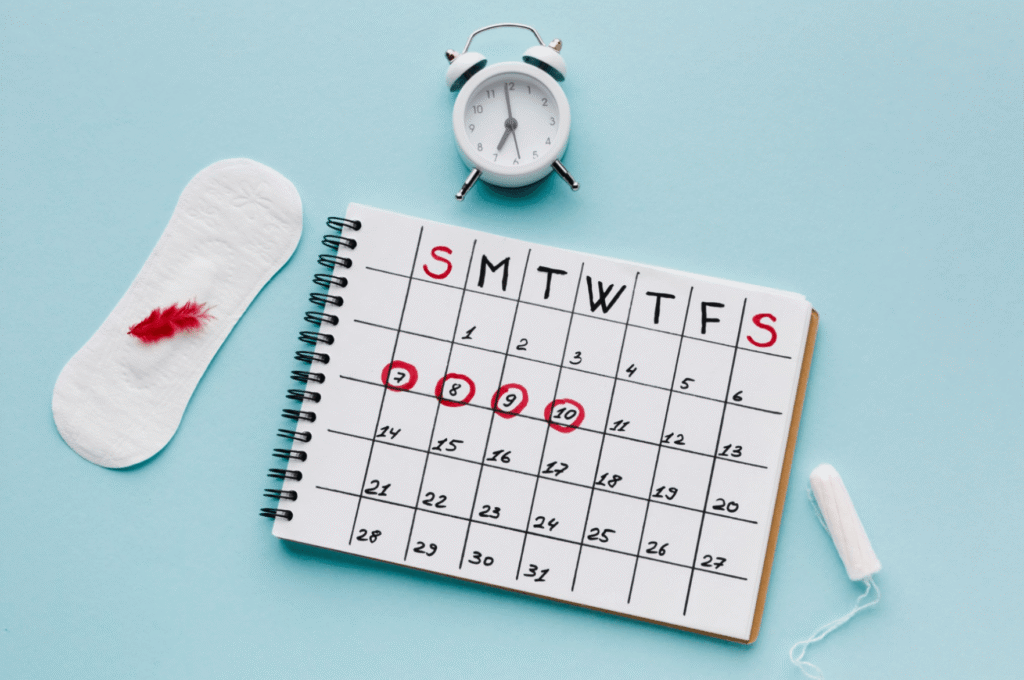
Some women choose to explore period delay tablets when their period is due to coincide with a holiday, honeymoon, sporting event or another important occasion.
For some, it’s about making a beach holiday more comfortable. Others simply want to avoid managing heavy periods during long flights or while travelling between destinations.
Planning ahead matters because period delay treatment isn’t suitable for everyone and usually needs to be started before your period begins. Leaving it until the week of your holiday may limit the available options.
If changing the timing of your cycle is something you’re considering, it’s sensible to factor it into your travel planning rather than treating it as a last-minute decision.
2. Some Travellers Prefer to Understand Emergency Contraception Before They Leave
Nobody books a holiday expecting to need emergency contraception, but many people feel more reassured knowing what their options would be if circumstances changed.
Healthcare systems differ from country to country. Some medicines are available directly from pharmacies, while others may require a prescription or involve finding a local doctor. Language barriers and unfamiliar healthcare services can make an already stressful situation feel even more complicated.
Understanding how emergency contraception works before you travel doesn’t mean you’ll need it. It simply means you’ll be better prepared if you do.
3. Hayfever Symptoms Can Change Abroad
Travelling during allergy season can expose you to different pollen types, plants and environmental triggers than you’re used to at home.
Even if your hayfever is usually mild in the UK, warmer climates or rural destinations can bring completely different pollen patterns.
Summer Holidays
Many popular holiday destinations have pollen seasons that don’t match the UK’s. Trees or grasses that have finished releasing pollen here may still be affecting people elsewhere.
Checking local forecasts before you travel can help you prepare if you’re prone to seasonal allergies and already use hayfever medication.
Spending More Time Outdoors
Walking holidays, city breaks and beach trips naturally involve spending longer outside than a typical week at home.
That extra exposure, combined with heat, dry air or higher pollen counts, can sometimes make symptoms feel worse than expected.
Different Environments
Coastal areas, mountains and countryside destinations all have their own environmental triggers.
Packing any medication you already rely on is usually far easier than trying to find an equivalent product in another country, particularly if brand names differ.
4. Migraine Planning Starts Before You Travel
For people who live with migraines, travelling itself can sometimes become one of the biggest triggers.
Flights, disrupted routines and dehydration can all contribute, which is why many people review their migraine medication before they leave home.
Flights
Long journeys often mean earlier starts, less sleep and limited opportunities to eat or drink regularly.
Small changes like staying hydrated and sticking to your normal routine where possible may help reduce common triggers.
Schedule Changes
Crossing time zones, changing meal times and sleeping in unfamiliar places can all affect migraine patterns.
If you already use prescription medication, it’s worth thinking about how you’ll manage different time zones before you travel.
Knowing Your Own Triggers
No two people experience migraines in exactly the same way.
If you’ve noticed that bright sunlight, alcohol, heat or travel fatigue usually trigger symptoms, planning around those factors can be just as valuable as remembering to pack your medication.
5. Travelling Is a Good Time to Review Ongoing Erectile Dysfunction Treatment

For some men, preparing for a holiday is simply a reminder to check they have enough erectile dysfunction medication for the time they’ll be away.
This is less about starting something new and more about avoiding interruptions to an existing treatment plan.
If you’ve been using treatment successfully, checking your supply before you travel is often easier than trying to replace it overseas, where prescribing rules and product availability may be very different.
If you’re considering treatment for the first time, a clinical assessment can establish whether it’s appropriate based on your health and medical history.
Why Do People Plan Their Medication Before Going Abroad?
Most travel-related healthcare questions come down to one thing, avoiding unnecessary problems once the holiday has already started.
A little preparation before you leave can make it much easier to manage your health while you’re away.
Some people simply need enough regular medication for the duration of their trip. Others want to understand how to manage an existing condition if symptoms flare up abroad.
It’s also worth remembering that medicines aren’t supplied in the same way everywhere. A product that’s easy to obtain in the UK may not be available in another country, or it may be sold under a different name.
Planning ahead isn’t about packing more medication than you need. It’s about making sure you have access to appropriate healthcare if you need it.
Things to Check Before Taking Medication Overseas
Every country has its own rules about medicines, so it’s worth checking requirements well before you travel.
Before you leave, consider:
- Whether your destination has restrictions on certain medicines.
- Keeping medication in its original labelled packaging.
- Whether you need a copy of your prescription or a letter from your prescriber.
- Storage requirements if you’re travelling somewhere particularly hot.
- Packing enough medication to cover unexpected travel delays.
Government travel advice and NHS Fit for Travel are good starting points if you’re unsure about the rules for your destination.
Planning Healthcare Before You Travel
Holiday planning isn’t just about passports and luggage. Taking a few minutes to think about your healthcare before you leave can save time, inconvenience and unnecessary worry once you’re abroad.
If you already manage an ongoing condition, reviewing your medication before your departure date can help avoid last-minute problems. If you have questions about treatment or whether something may be suitable for your circumstances, a regulated online pharmacy can provide access to a clinical consultation from home.
If you’d like to discuss your options before travelling, you can contact us for advice about the consultation process.