


IBS flare-ups can occur when familiar symptoms, including abdominal cramps, bloating, constipation or diarrhoea, become more noticeable. Possible triggers include certain foods, stress, changes in eating habits and disruptions to your usual routine.
Understanding IBS triggers and management starts with identifying what has changed recently. Rather than eliminating several foods or adjusting multiple habits, looking for recurring patterns can help you make informed decisions.
This guide explains common triggers, practical ways to manage familiar symptoms and when to seek professional advice.
Eating Trigger Foods May Cause Symptoms to Flare Up

Certain foods may worsen IBS symptoms, although individual triggers vary. No universal list applies to everyone.
Consider whether:
- The same food preceded previous flare-ups.
- Portions were larger than usual.
- Symptoms followed similar meals repeatedly.
- Stress or disrupted sleep coincided with symptoms.
Avoid restricting foods based on isolated experiences. Maintaining balanced nutrition remains important when exploring dietary triggers as part of your wider IBS treatment and support.
Large or Fast Meals May Make Symptoms Worse
Meal size, eating speed and irregular eating patterns may influence IBS symptoms alongside food choices.
For example, someone experiencing discomfort after lunch might focus on particular ingredients while overlooking rushed meals or long gaps between eating.
NICE recommends regular meals, allowing sufficient time to eat and avoiding prolonged periods without food.
Caffeine and Alcohol May Be Personal Triggers
Caffeine and alcohol may contribute to IBS symptoms, although tolerance differs between individuals.
| Drink | What to Monitor |
| Coffee and caffeinated tea | Daily intake and whether symptoms follow increased consumption |
| Alcohol | Quantity, timing and recurring digestive changes |
| Fizzy drinks | Whether bloating or discomfort becomes more noticeable |
NICE recommends limiting tea and coffee to three cups daily and reducing alcohol and fizzy drinks as part of general IBS management.
Tracking consumption alongside symptoms may reveal whether adjustments are worthwhile.
Stress and Anxiety Can Be Linked With IBS Flare-Ups
Stress and anxiety may worsen IBS symptoms, although they are not always responsible for flare-ups.
The gut and brain communicate through interconnected systems influencing digestive function. Emotional stress can affect bowel activity and sensitivity.
Consider whether symptoms coincide with demanding work periods, disrupted routines or personal concerns.
Understanding the link between stress, anxiety and IBS may help identify recurring patterns without assuming stress explains every episode of digestive discomfort.
Hormonal Changes May Affect Symptoms
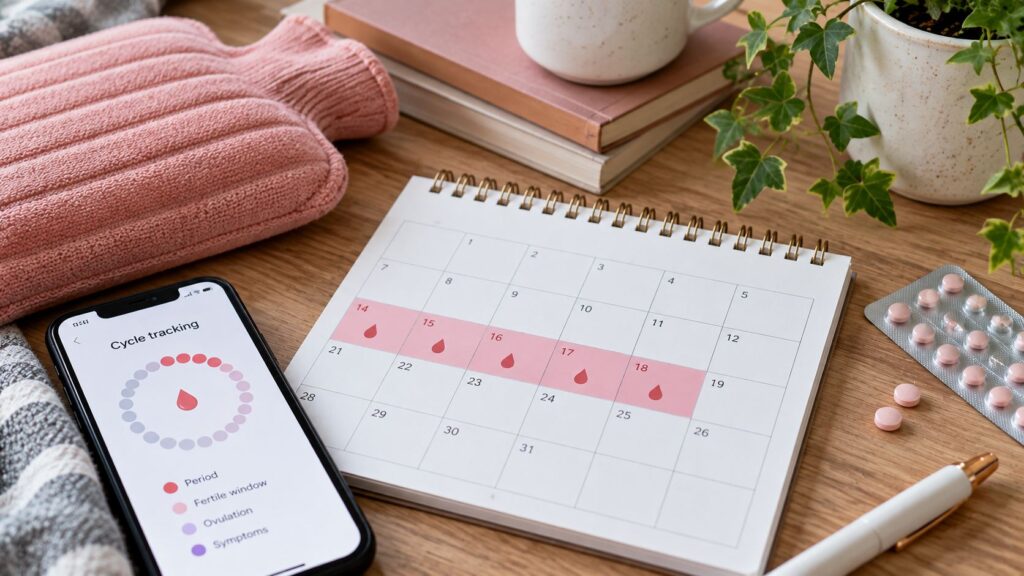
Some people experience changes in digestive symptoms around their menstrual cycle, although these patterns vary.
Recording symptoms alongside menstrual dates may help identify recurring associations.
New pelvic pain, unusual bleeding or significantly different bowel symptoms should receive appropriate medical assessment rather than automatically being attributed to IBS.
Medicines Can Sometimes Affect Digestive Symptoms
Certain medicines can influence bowel habits or cause digestive discomfort. Reviewing recent medication changes may help identify factors worth discussing with a healthcare professional.
Consider whether symptoms followed:
- Starting a new prescription.
- Changing an existing dose.
- Taking antibiotics.
- Introducing another medicine or supplement.
Never stop or adjust prescribed medication without professional advice. A pharmacist can review possible medicine-related effects and recommend appropriate next steps.
Changes to Sleep or Your Usual Routine May Play a Part
Disruptions to sleep, physical activity and everyday routines may coincide with IBS flare-ups, particularly when several circumstances change together.
Ask yourself:
- Have I been sleeping differently?
- Have work commitments affected meal times?
- Have I travelled recently?
- Has my activity level changed?
- Have I experienced additional stress?
These observations cannot establish causation. They can, however, highlight patterns worth exploring.
Keep a Record to Identify Your Personal IBS Triggers
A symptom diary can help reveal patterns between IBS flare-ups and changes in food, stress or routine.
| What to Record | Example |
| Symptoms | Cramps and bloating |
| Timing | After lunch |
| Food and drink | Extra coffee |
| Stress and sleep | Poor sleep |
| Bowel changes | Looser stools |
| Other factors | New medication |
Review recurring patterns rather than isolated episodes. A diary cannot diagnose IBS or confirm triggers, although it can support discussions with a healthcare professional.
Make Dietary Changes Gradually
Gradual dietary adjustments can help identify suspected IBS triggers without unnecessary food restrictions.
A practical approach involves:
- Identify recurring patterns in your symptom diary.
- Discuss significant dietary restrictions with a healthcare professional.
- Change one suspected trigger while maintaining balanced nutrition.
- Monitor symptoms and review any changes.
If initial adjustments prove unsuccessful, a dietitian may recommend a structured approach, such as a low-FODMAP diet. You can also explore how to manage and treat IBS for further guidance on managing symptoms.
Try Smaller, Regular Meals
Smaller meals at consistent times may be helpful if digestive discomfort repeatedly follows larger portions or irregular eating.
Allowing adequate time for meals and avoiding prolonged gaps between eating are reasonable adjustments to consider.
Your eating routine should remain flexible enough to meet your nutritional requirements and everyday circumstances.
Find Practical Ways to Manage Stress
Stress-management strategies may support IBS symptom management when emotional pressures appear connected with flare-ups.
Options include:
- Taking regular breaks during demanding activities.
- Practising relaxation or breathing exercises.
- Maintaining consistent sleeping habits.
- Making time for enjoyable activities.
- Seeking professional support for persistent anxiety.
Managing stress does not guarantee symptom improvement. Digestive symptoms may continue even during calmer periods.
Stay Hydrated and Keep Active
Adequate hydration and regular physical activity form part of general IBS management, with individual requirements depending on health and circumstances.
NICE recommends drinking at least eight cups of fluid daily, particularly water and non-caffeinated drinks.
Physical activity may also support overall digestive health. Walking or other manageable activities can be incorporated according to personal ability.
During a flare-up, adapt your activity levels to your symptoms rather than exercising through significant discomfort.
Use Appropriate Treatment for Your Main Symptoms
IBS treatment depends on your main symptoms, including cramps, constipation or diarrhoea. Different symptoms require different approaches.
| Main Symptom | Management Consideration |
| Abdominal cramps | A pharmacist may discuss antispasmodics. |
| Constipation | Review fibre, hydration and suitable treatments. |
| Diarrhoea | Consider dietary factors and symptom-specific treatment. |
| Mixed bowel habits | Management may need adjusting. |
Antispasmodics include mebeverine tablets for IBS and Buscopan tablets for IBS relief.
Treatment suitability depends on medical history, other medicines and individual circumstances. A pharmacist or clinician can assess appropriate options.
When Should You Speak to a Healthcare Professional About an IBS Flare-Up?
Seek medical advice if symptoms are new, persistent, worsening or noticeably different from your usual IBS pattern.
Contact your GP if your usual management approach stops helping or bowel habits change significantly.
Seek urgent medical advice for unexplained weight loss, bloody diarrhoea or a lump in your abdomen. Sudden, severe abdominal pain requires emergency assessment.
For non-urgent concerns, a pharmacist can discuss appropriate support. Learn about the benefits of an online doctor consultation.