


Irritable bowel syndrome (IBS) is a long-term digestive condition associated with abdominal pain, bloating and changes in bowel habits. Symptoms can vary considerably, making it difficult to understand what is happening and which management approaches might help.
This IBS guide explains the different symptom patterns, possible causes, common triggers and how healthcare professionals assess the condition. It also explores dietary changes, lifestyle adjustments, treatment options and practical ways to manage flare-ups.
Understanding your symptoms is an important starting point. Equally important is recognising when digestive problems require professional assessment rather than further self-management.
What Is Irritable Bowel Syndrome?
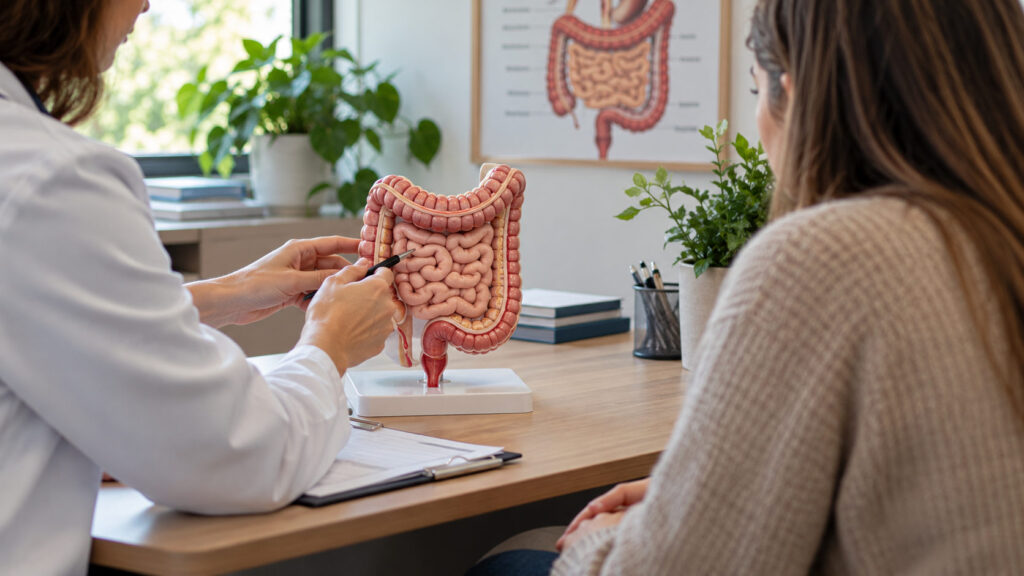
Irritable bowel syndrome (IBS) is a condition affecting the digestive system, causing recurring abdominal discomfort and changes in bowel habits. Symptoms may fluctuate over time, with periods of improvement followed by flare-ups.
IBS affects how the bowel functions rather than causing the visible inflammation or tissue damage associated with certain other digestive conditions.
The experience differs between individuals. One person may struggle primarily with constipation, while another experiences urgent diarrhoea. Some encounter several symptoms simultaneously.
Although IBS can be long-lasting, dietary adjustments, lifestyle measures and appropriate treatment may help manage symptoms.
Importantly, abdominal discomfort and altered bowel habits do not automatically indicate IBS. A healthcare professional should assess recurring symptoms before confirming a diagnosis.
For people with an established diagnosis, WePrescribe provides information about IBS treatment and support, including options requiring professional assessment.
What Are the Different Types of IBS?
IBS is commonly classified according to a person’s predominant bowel pattern. Understanding these classifications helps healthcare professionals consider management approaches suited to the symptoms experienced.
| IBS Type | Main Characteristics |
| IBS-C | Constipation is the predominant bowel pattern |
| IBS-D | Diarrhoea is the predominant bowel pattern |
| IBS-M | Both constipation and diarrhoea feature prominently |
IBS with Constipation (IBS-C)
IBS-C involves abdominal discomfort alongside predominantly hard or difficult-to-pass stools.
People may experience straining, infrequent bowel movements or a sensation of incomplete emptying.
IBS with Diarrhoea (IBS-D)
IBS-D involves predominantly loose or watery stools, sometimes accompanied by urgency.
The unpredictability of bowel movements can make travelling, working and social activities more challenging.
IBS with Mixed Bowel Habits (IBS-M)
IBS-M involves both constipation and diarrhoea, with neither consistently predominating.
Bowel patterns can change over time. Classification is therefore a useful clinical description rather than a permanent label.
What Are the Most Common Symptoms of IBS?
Common IBS symptoms include abdominal pain, cramping, bloating, constipation and diarrhoea. Their frequency, intensity and combination differ between individuals.
Other recognised symptoms include excessive wind, nausea, tiredness and occasionally mucus in stools.
Abdominal Pain and Cramping
Abdominal pain is a characteristic feature of IBS.
Discomfort may worsen after eating or improve following a bowel movement. Its location and intensity can vary.
Persistent or unfamiliar pain should not automatically be attributed to an existing IBS diagnosis.
Bloating and Excess Wind
Bloating may create uncomfortable fullness, pressure or visible abdominal swelling.
Some people experience increased wind alongside these sensations. Symptoms may change throughout the day.
Changes in Bowel Habits
IBS can affect stool consistency, bowel movement frequency and the sensation of emptying.
Useful details to record include:
- When symptoms occur and how long they last
- Stool consistency and changes in frequency
- Meals or drinks preceding discomfort
- Stress levels and changes in routine
- Whether symptoms improve after using the toilet
A short symptom diary can reveal patterns worth discussing with a healthcare professional without encouraging self-diagnosis.
What Causes Irritable Bowel Syndrome?
The exact cause of IBS remains uncertain. Current clinical understanding suggests several interacting factors may contribute, including altered bowel movement, increased gut sensitivity and communication between the digestive system and brain.
The gut-brain connection describes how the nervous system and digestive tract influence one another.
Some people develop symptoms following gastroenteritis, while family history and psychological stress may also be relevant.
Causes and triggers are different. A contributing factor may help explain why IBS develops, whereas a trigger is something associated with symptoms becoming worse.
For example, discomfort after a particular meal does not establish that food as the underlying cause of IBS.
Understanding this distinction helps prevent unnecessary dietary restrictions and oversimplified explanations.
What Can Trigger an IBS Flare-Up?

IBS flare-ups may be associated with particular foods, drinks, stress or changes in routine. However, symptoms can worsen without an identifiable trigger.
Tracking recurring patterns is generally more useful than avoiding every commonly mentioned trigger.
| Potential Trigger | What to Notice |
| Food and drink | Whether symptoms repeatedly follow particular meals |
| Stress | Changes during demanding periods |
| Routine disruption | Altered eating, sleeping or activity patterns |
| Hormonal changes | Whether symptoms vary across the menstrual cycle |
Food and Drink
Caffeine, alcohol and certain fatty or spicy foods may aggravate symptoms in some people.
Portion size, meal timing and individual tolerance also matter. One uncomfortable episode is insufficient evidence to permanently exclude a food.
Stress and Anxiety
Stress can influence digestive symptoms through interactions between the nervous system and bowel.
This does not mean IBS is imaginary or exclusively psychological.
Understanding the connection between stress, anxiety and IBS may help explain why symptoms fluctuate during emotionally demanding periods.
Hormonal Changes
Some people report changes in digestive symptoms around menstruation.
Hormonal fluctuations may influence bowel function and sensitivity, although individual experiences vary.
Recording symptoms alongside menstrual cycle changes may provide useful context during clinical assessment.
How Is IBS Diagnosed?
IBS is diagnosed through a professional assessment of symptoms, medical history and relevant investigations. There is no single test capable of confirming IBS independently.
A GP may follow several steps:
- Discuss symptoms: Explore abdominal pain, bowel changes, duration and possible patterns.
- Review medical history: Consider existing conditions, medicines and relevant family history.
- Examine the abdomen: Check for tenderness, swelling or other findings.
- Arrange appropriate tests: Blood or stool investigations may help identify alternative explanations.
- Discuss the findings: Explain whether IBS is a suitable diagnosis and what management may involve.
Tests may investigate conditions such as coeliac disease or inflammatory bowel disease.
Before an appointment, prepare a symptom diary, current medication list and questions about any significant changes.
Avoid removing gluten before coeliac testing unless a healthcare professional advises otherwise, as doing so can affect test accuracy.
What Other Conditions Can Cause Similar Symptoms?
Several digestive conditions share symptoms with IBS, making professional assessment important when symptoms are persistent, unfamiliar or changing.
| Condition | Why Assessment Matters |
| Coeliac disease | Can cause digestive symptoms and requires specific testing |
| Inflammatory bowel disease | Involves intestinal inflammation and needs different management |
| Food intolerances | May produce digestive discomfort linked to particular foods |
| Bowel infections | Can cause diarrhoea, pain and altered bowel habits |
These examples are not a diagnostic checklist.
IBS does not itself explain every digestive symptom. Existing diagnoses should also be reviewed when a person’s usual pattern changes significantly.
How Can Diet Affect IBS Symptoms?
Dietary changes may help manage IBS symptoms, although no single eating plan is suitable for everyone. Identifying personal patterns and maintaining adequate nutrition are more important than following extensive restriction lists.
Initial dietary advice generally focuses on regular meals, sufficient fluids and reviewing individual tolerance.
Identifying Personal Food Triggers
A food diary can help identify possible relationships between meals and symptoms.
Record what you eat, approximate meal times, bowel changes and any discomfort. Include contextual factors such as stress or disrupted sleep.
Look for repeated associations rather than reacting to isolated episodes.
Avoid excluding multiple food groups without professional guidance. Restrictive eating can reduce nutritional variety and make everyday meals unnecessarily difficult.
Understanding the Low-FODMAP Diet
A low-FODMAP diet temporarily reduces certain fermentable carbohydrates that may contribute to digestive symptoms.
FODMAP stands for fermentable oligosaccharides, disaccharides, monosaccharides and polyols.
The approach generally involves structured restriction followed by reintroduction to identify individual tolerance.
NICE recommends that specialist exclusion diets, including low-FODMAP approaches, are guided by healthcare professionals with dietary expertise.
A dietitian can help maintain nutritional adequacy and prevent unnecessary long-term restrictions. Understanding where dietary changes fit alongside lifestyle adjustments and symptom-specific treatments is also an important part of learning how to effectively manage and treat IBS.
How Can Lifestyle Changes Help Manage IBS?
Consistent eating habits, suitable physical activity, hydration and stress management can form part of an IBS management plan. Changes should be realistic and adjusted according to individual symptoms.
Practical approaches include:
- Maintain regular meals: Avoid prolonged gaps between eating and allow time to eat comfortably.
- Stay hydrated: Drink regularly throughout the day, particularly when experiencing diarrhoea.
- Review caffeine intake: Consider whether caffeinated drinks are associated with discomfort.
- Remain physically active: Choose manageable activities appropriate for your health and abilities.
- Make time for relaxation: Explore activities that help reduce stress.
- Protect sleep routines: Maintain consistent sleeping habits where practical.
NHS guidance recommends approximately eight to ten drinks of fluid daily for many adults managing IBS, although individual fluid requirements vary.
Introduce changes gradually. Making several adjustments simultaneously makes it harder to identify what influences symptoms.
What Treatments Are Available for IBS?
IBS treatment depends on the predominant symptoms, their severity and individual medical circumstances. Management may combine dietary measures, lifestyle changes, symptom-specific medicines and psychological therapies.
Treatment discussions should consider existing conditions, current medicines and previous responses.
Treatments for Abdominal Cramps
Antispasmodic medicines may help manage abdominal cramps associated with IBS by relaxing muscles in the digestive tract. Their suitability depends on individual symptoms, medical history and other medicines being taken.
Options include mebeverine tablets and Buscopan tablets, which contain different antispasmodic ingredients. Colpermin capsules contain peppermint oil, which may also help relieve abdominal spasms in some people.
These medicines have different precautions, possible side effects and suitability requirements. A pharmacist can explain the differences and help determine whether a particular option is appropriate or whether further medical assessment is needed.
Treatments for Constipation
Constipation management may involve reviewing fluid intake, dietary fibre and bowel routines.
Soluble fibre, found in foods such as oats, may be helpful. Certain laxatives may also be considered following appropriate advice.
Not every laxative is recommended for IBS. Treatment selection should account for abdominal discomfort and individual bowel patterns.
Treatments for Diarrhoea
Management may include reviewing dietary triggers, maintaining hydration and considering medicines that reduce diarrhoea.
A pharmacist can discuss appropriate options and identify situations requiring GP assessment.
Persistent diarrhoea should not be managed indefinitely without investigating its cause.
Psychological Therapies
Psychological approaches can form part of IBS care, particularly when symptoms persist despite other management strategies.
Cognitive behavioural therapy (CBT) and gut-directed psychological interventions may help people manage the relationship between symptoms, stress and daily functioning.
Their inclusion in treatment does not suggest IBS is solely caused by psychological factors.
How Can You Manage an IBS Flare-Up?
During an established IBS flare-up, returning to previously agreed management strategies and reviewing recent changes may help. Avoid introducing multiple new treatments or restrictive dietary measures simultaneously.
A practical approach involves:
- Review recent changes. Consider meals, stress, routine disruption or medication changes.
- Maintain hydration. Replace fluids regularly, especially during diarrhoea.
- Keep meals manageable. Choose familiar foods you generally tolerate.
- Follow existing advice. Use prescribed or recommended treatments according to professional instructions.
- Monitor progression. Record symptoms and whether they resemble previous episodes.
If symptoms are unusually severe, significantly different or accompanied by warning signs, seek medical assessment rather than assuming another IBS flare-up.
How Can IBS Affect Everyday Life?
IBS can influence work, travel, eating out and social activities, particularly when bowel symptoms are unpredictable.
Practical preparation can reduce uncertainty without requiring people to organise every activity around their condition.
For example, someone experiencing urgency may find it useful to identify toilet facilities before a long journey.
At work, regular meal breaks and access to drinking water may support established management routines.
When eating out, reviewing menus beforehand can help people choose familiar foods without automatically excluding entire food groups.
If symptoms substantially affect confidence, relationships or daily activities, discussing these difficulties with a healthcare professional is worthwhile.
When Should You Speak to a Healthcare Professional?
Seek professional assessment when digestive symptoms are new, persistent, significantly changing or accompanied by warning signs. Symptoms resembling IBS can have other causes requiring investigation.
Arrange a routine GP appointment if you suspect IBS and symptoms have continued for more than four weeks, or if existing management is no longer helping.
Request an urgent GP appointment or contact NHS 111 if you experience:
- Unexplained substantial weight loss
- Bleeding from the bottom or bloody diarrhoea
- A hard lump or swelling in the abdomen
- Breathlessness, palpitations and unusually pale skin
Severe, sudden abdominal pain or another immediately life-threatening emergency requires emergency assessment through 999 or A&E.
An online consultation may provide a convenient route for discussing certain health concerns, although some symptoms require examination or investigations in person.
Learn more about the benefits of an online doctor consultation and when alternative healthcare services may be appropriate.
Living with IBS: Building a Long-Term Management Plan
Long-term IBS management works best when it reflects individual symptoms, established triggers and changing healthcare needs. A sustainable approach combines practical self-management with appropriate professional review.
Consider the following five-step framework:
- Understand your symptom pattern. Identify the bowel changes and discomfort that affect you most.
- Recognise meaningful triggers. Use occasional tracking to investigate recurring patterns without monitoring every meal indefinitely.
- Maintain sustainable habits. Prioritise regular meals, hydration, manageable activity and nutritional balance.
- Review treatment suitability. Discuss persistent symptoms, side effects or changing needs with a pharmacist or GP.
- Reassess when circumstances change. Seek advice if symptoms become unfamiliar or existing strategies stop helping.
For people using ongoing medication, managing prescriptions with less stress can support a more organised healthcare routine.
WePrescribe also provides information about IBS support and available consultation pathways. A healthcare professional can review individual circumstances and discuss whether particular management options may be appropriate.
The aim is not to eliminate every possible trigger or follow an increasingly restrictive routine. It is to develop a manageable plan that supports digestive health while recognising when further clinical advice is needed.